St. Pete to test plant-based HydroPlanters as part of $7 million stormwater project
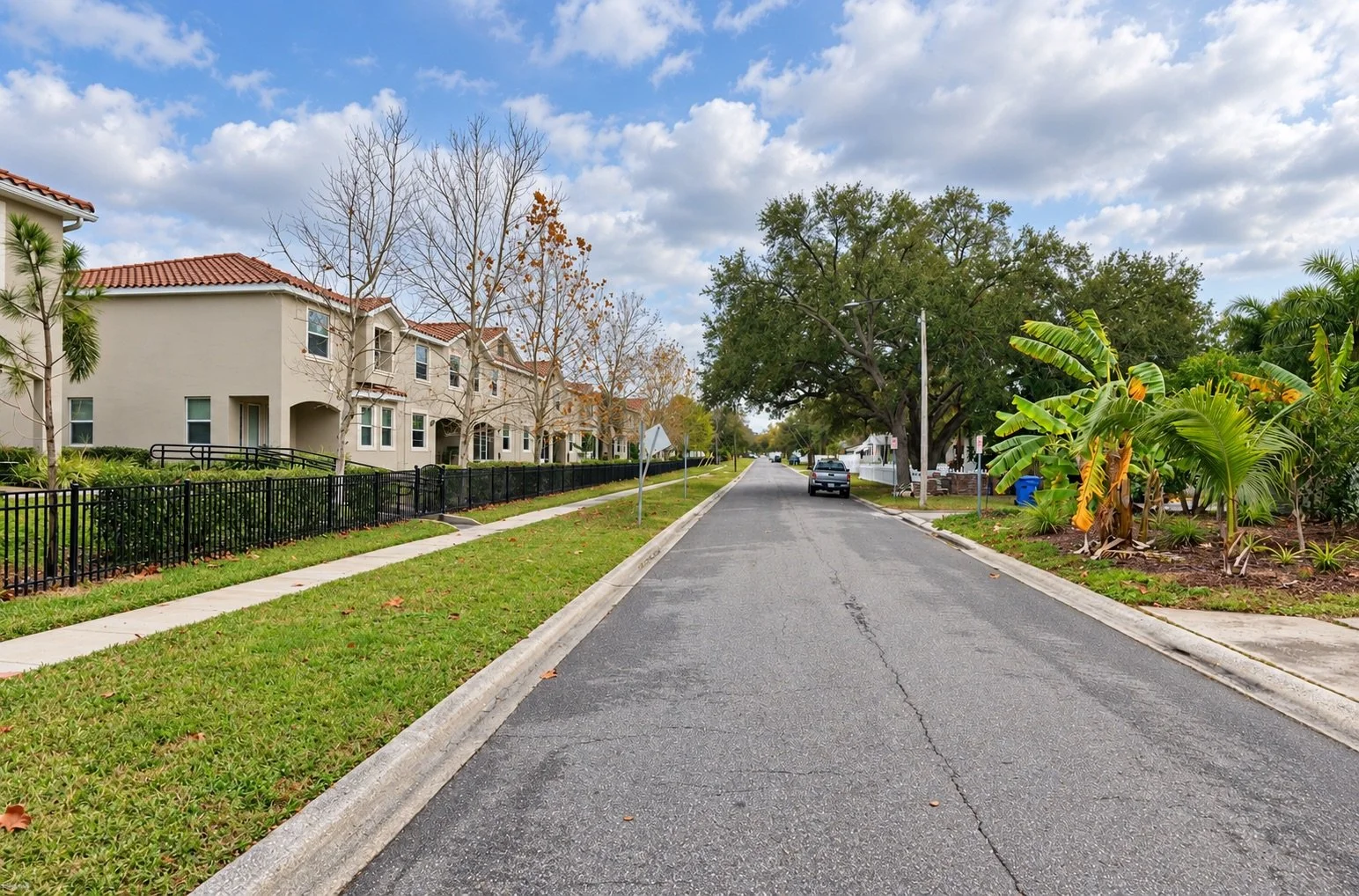
/A new plant-based stormwater system is coming to a north St. Pete neighborhood | Google Maps
St. Petersburg will test a new plant-based approach to managing stormwater as part of a $7 million project coming to one of the city’s most flood-prone areas.
The city will install eight HydroPlanters, which are modular rain gardens designed to slow and filter rain runoff before it enters the city’s stormwater system.
Each rain garden is about five feet long, three feet wide, and two-and-a-half feet deep.
Filled with specially designed soil, grasses, shrubs, and small trees, the boxes will be installed in an L-shaped configuration along a city-owned grassy area near the intersection of 50th Avenue North and 7th Street North.
During heavy rain, water from the street will flow into the planters and filter through the soil and vegetation. It will then drain into the city’s stormwater system and eventually the 54th Avenue Canal.
“It’s not going to prevent the water from getting through to the canal,” Claude Tankersley, the city’s Public Works Administrator, said in a conversation with St. Pete Rising. “But it’s going to slow it down, so that not all the water gets there at the same time.”
The HydroPlanters, made by GreenBlue Urban, work much like a traditional rain garden or bioswale, where stormwater collects in a planted area and naturally filters through soil and vegetation.
HydroPlanters will be installed in an L-shaped area near the intersection of 50th Avenue North and 7th Street North. | Google Maps
Unlike a traditional rain garden, the HydroPlanters do not rely on water soaking deeply into the surrounding ground. After runoff filters through the contained soil and vegetation, the units collect it and direct it into the stormwater system, making them better suited for areas with high groundwater.
Tankersley said the design also makes the rain gardens easier to maintain, since plants and soil can be accessed and replaced as needed.
James Scott, chair of the Suncoast Sierra Club Executive Committee, said the project stands out because it combines traditional drainage infrastructure with a nature-based solution.
“What makes this project so unique is the combination of the pipes and this nature-based solution,” Scott said. “It’s something we’ve been encouraging the city to incorporate for a long time.”
Beyond slowing runoff, the rain gardens will also treat the water before it enters the canal.
The system will primarily target phosphorus and nitrogen, nutrients commonly found in fertilizer runoff. When those nutrients reach Tampa Bay, they can feed algae blooms that harm seagrass beds.
Some pollutants and metals can also become trapped in the soil or absorbed by the plants.
The City of St. Pete will install HydroPlanters, modular rain gardens that slow and filter runoff before it enters the stormwater system | GreenBlue Urban
City crews will periodically trim and harvest the vegetation, removing the nutrients captured in the plant material from the system.
“Once you put them in the ground, they are living systems, and they must be maintained,” Tankersley said. “The number one reason why these systems fail is because the maintenance failed.”
The city expects to inspect and service the planters about once each quarter.
While the HydroPlanters will help reduce flooding, they are not intended to solve the problem on their own.
The project will also replace undersized drainage pipes along 7th Street North between the canal and 50th Avenue North, as well as along 50th Avenue North between 7th and 4th streets.
“The pipes are undersized,” Tankersley said. “They’re not big enough to carry all the water that we are getting.”
The new pipes will help move water out of the area more quickly. The HydroPlanters will add a second benefit by slowing and cleaning some of that runoff before it enters the canal.
The installation and completion of a HydroGarden | Greenblue Urban
Pipe work is expected to begin around January. The HydroPlanters will likely be installed later in the project, after the drainage work is complete.
Construction is expected to continue through 2027.
The city will coordinate with the neighborhood to minimize traffic disruptions and maintain access to residents’ properties throughout construction.
The project is partially funded by a $2.7 million grant from the Southwest Florida Water Management District, with the remaining cost covered by stormwater utility fees. It is part of St. Pete Agile Resilience, or SPAR, the city’s broader effort to accelerate stormwater and flood-protection projects.
Tankersley said the city will collect performance data to determine whether the HydroPlanters provide enough long-term benefit to justify their cost and could be used elsewhere in St. Pete.
“We believe that this will provide long-term benefit that’ll exceed the cost,” he said. “But it’s one thing to believe it. It’s another thing to have data to show.”
Scott said the nature-based approach should eventually become routine.
“This shouldn’t be a novelty,” he said. “This should be how we do work as a city.”