Florida Holocaust Museum plans $15 million renovation for immersive theater and expanded gallery space in downtown St. Pete
/The Florida Holocaust Museum opened in downtown St. Pete in 1998 | VSPC
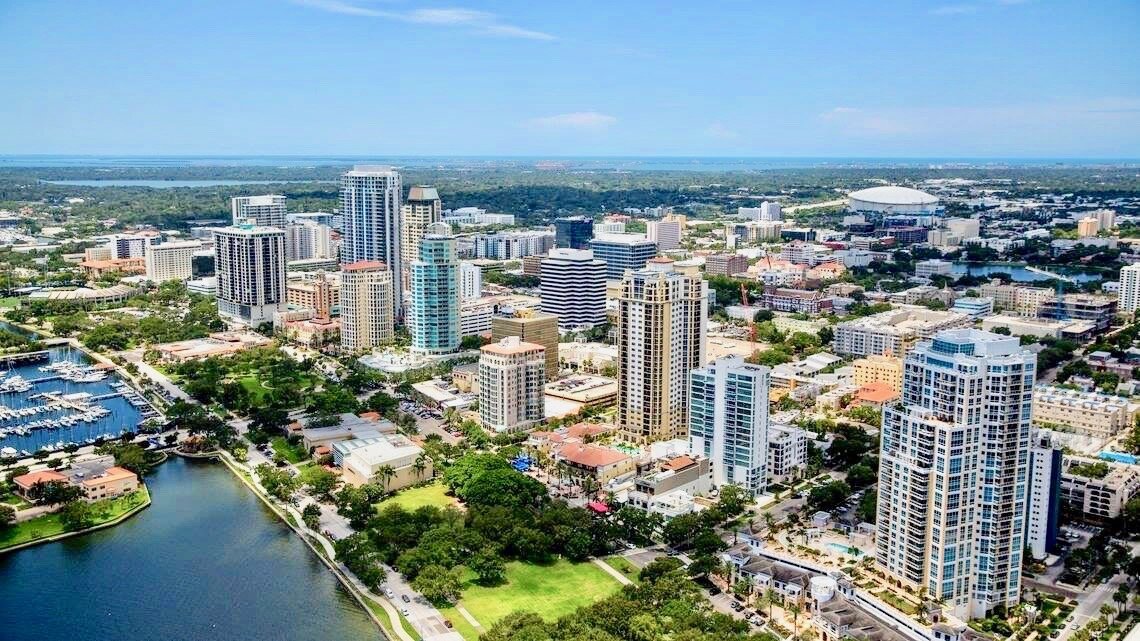
The Florida Holocaust Museum in downtown St. Pete is planning a $15 million renovation that will create an immersive theater for interactive Holocaust survivor testimonies and expanded exhibition space.
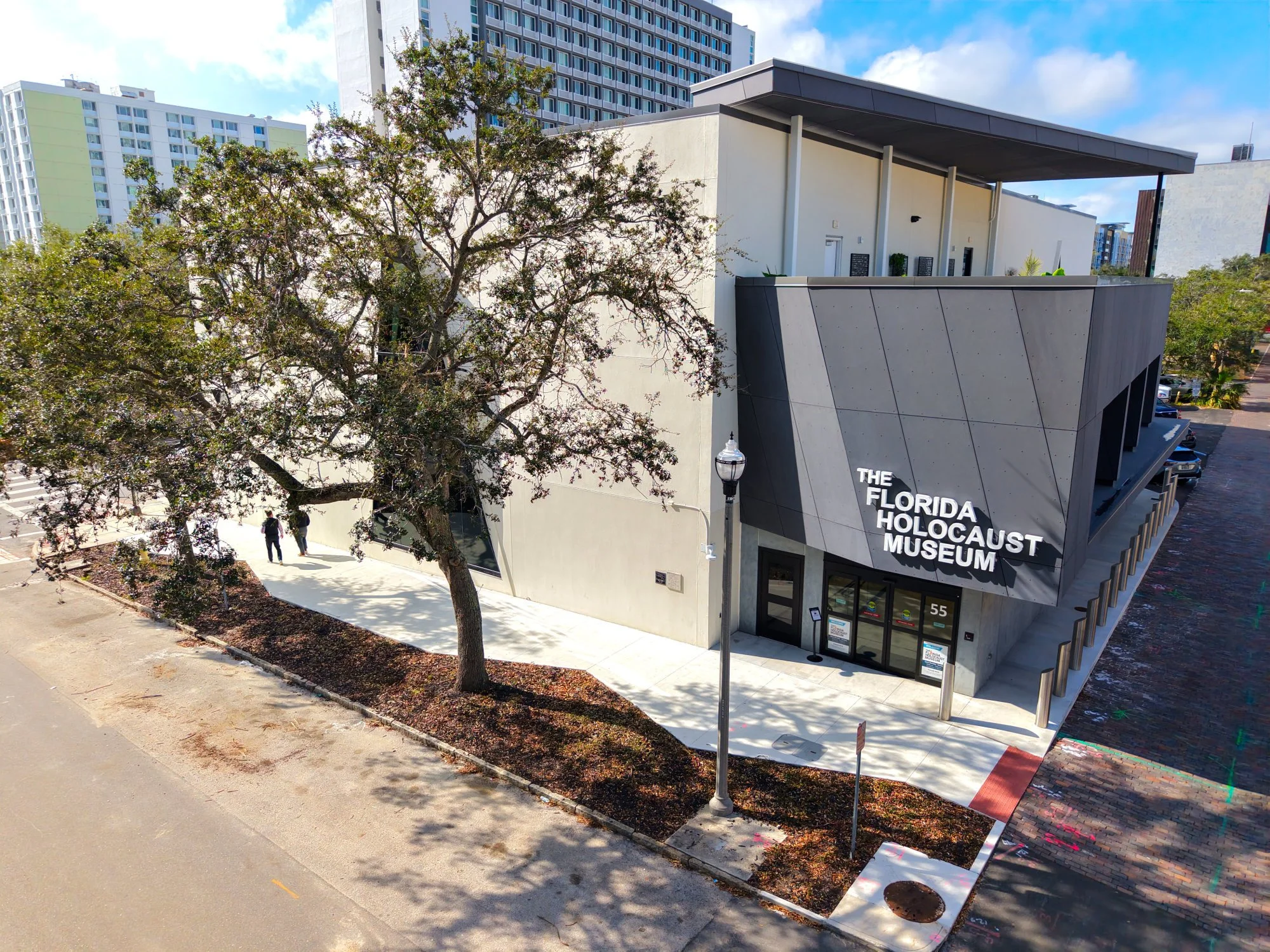
Located at 55 5th Street South, the museum will renovate existing first- and third-floor spaces rather than expand the museum’s physical footprint.
The new first-floor Immersive Theater will become a larger home for Dimensions in Testimony, a digital experience that allows visitors to ask questions of Holocaust survivors and receive answers drawn from pre-recorded interviews.
Developed by the USC Shoah Foundation, the technology uses voice activation and natural-language processing to match visitors’ questions with relevant recorded responses.
“Each survivor has been asked over 1,000 questions,” Museum President and CEO Eric Stillman said in a conversation with St. Pete Rising. “When a viewer asks a question, the technology picks up certain words and responds with the survivor’s recorded response from the earlier questioning. It becomes like a real in-person dialogue.”
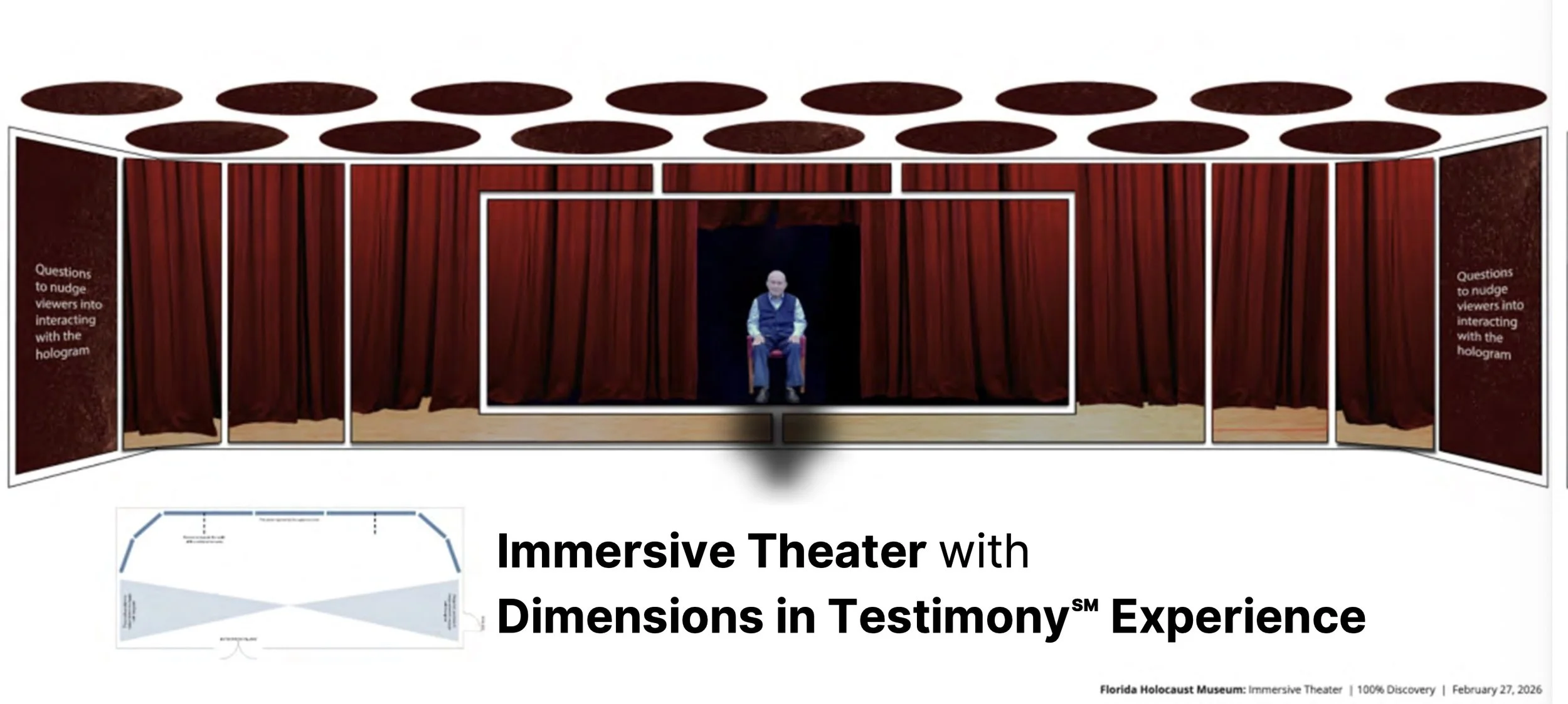
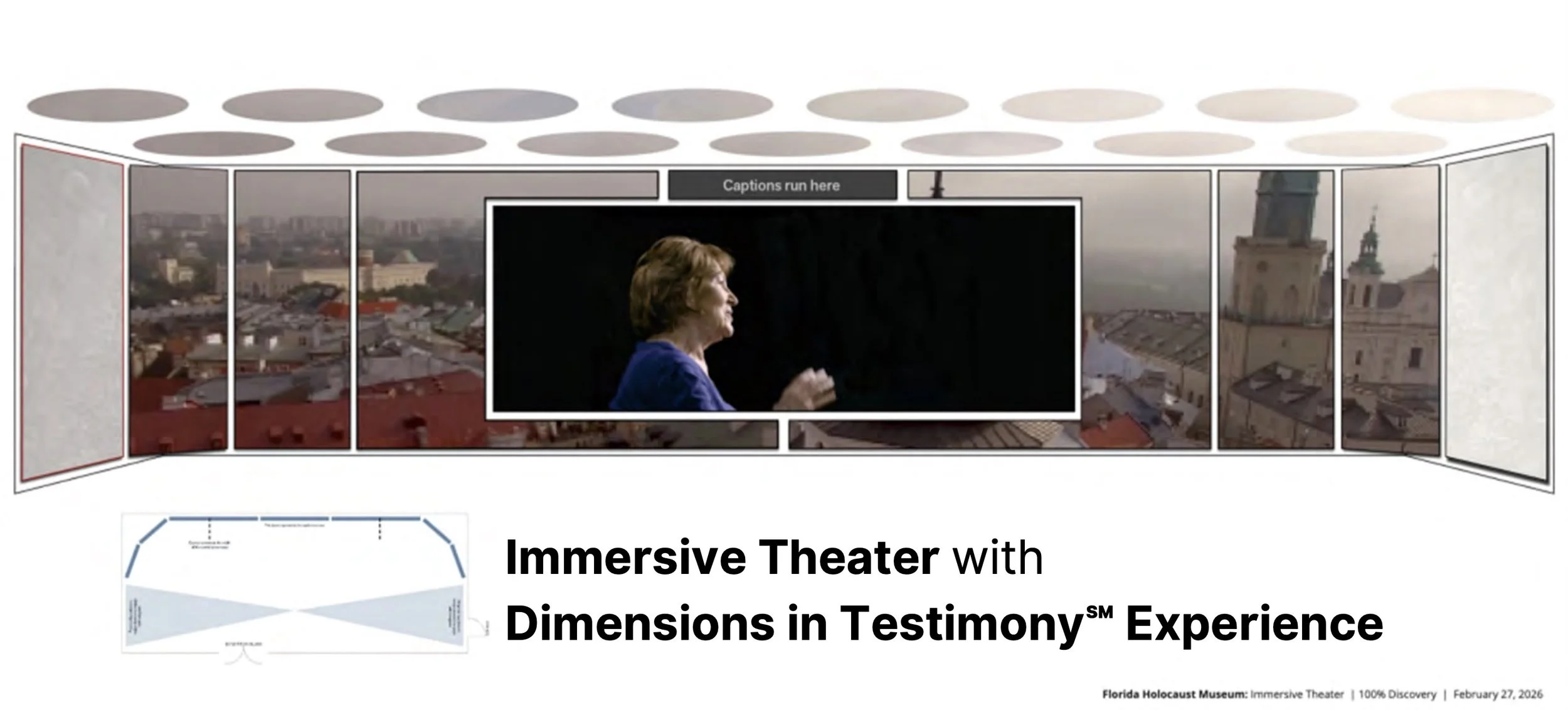
Dimensions in Testimony is already available to museum guests, but the current setup is limited to a small number of participants. The new theater will accommodate 68 people in a single session, with movable seats and a microphone visitors can use to ask questions directly through the platform.
The experience currently includes testimony from four Holocaust survivors. The recordings were made in 2021, and three of the four survivors have since died. Stillman said a grant will help the museum add recordings from two additional survivors.
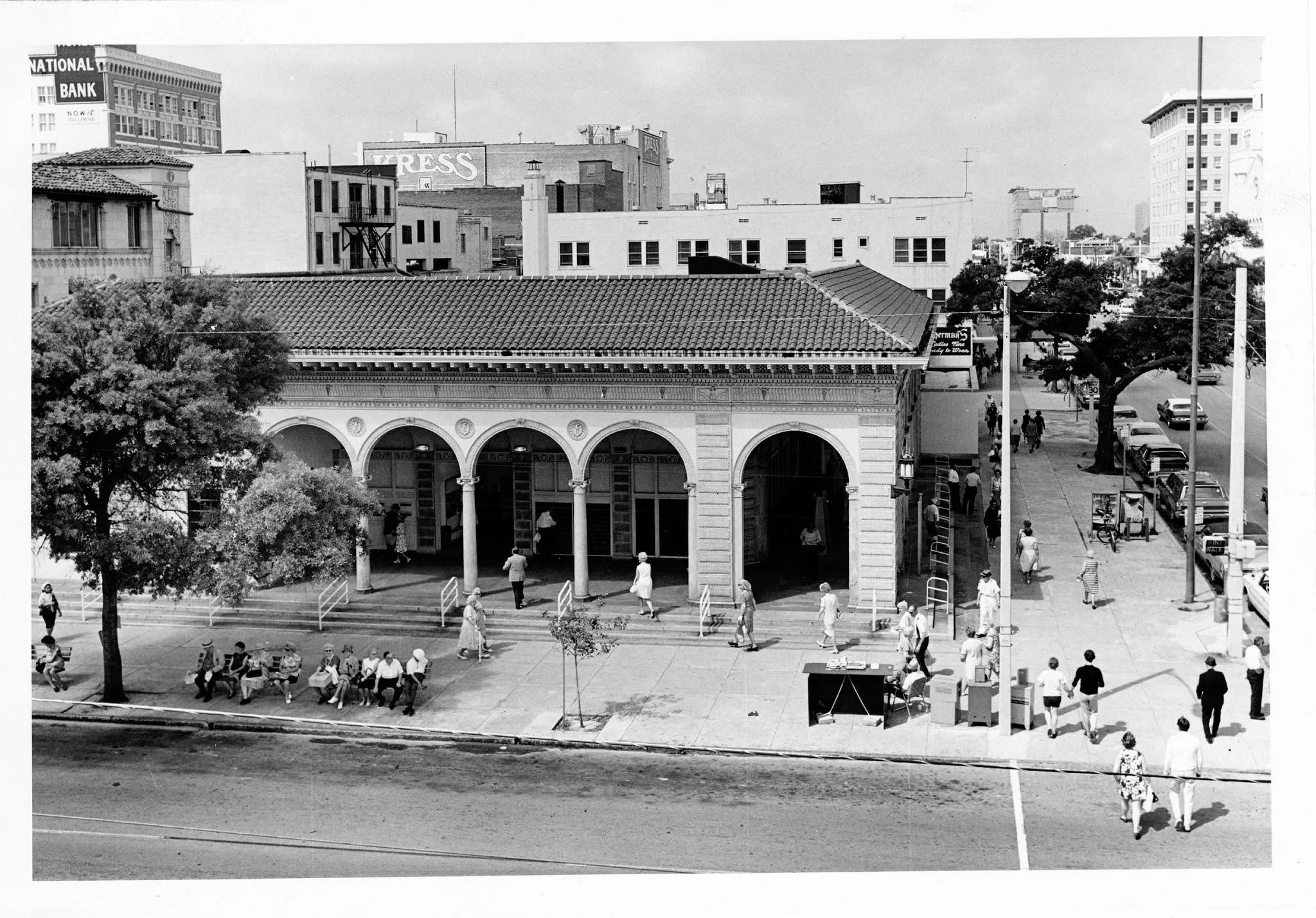
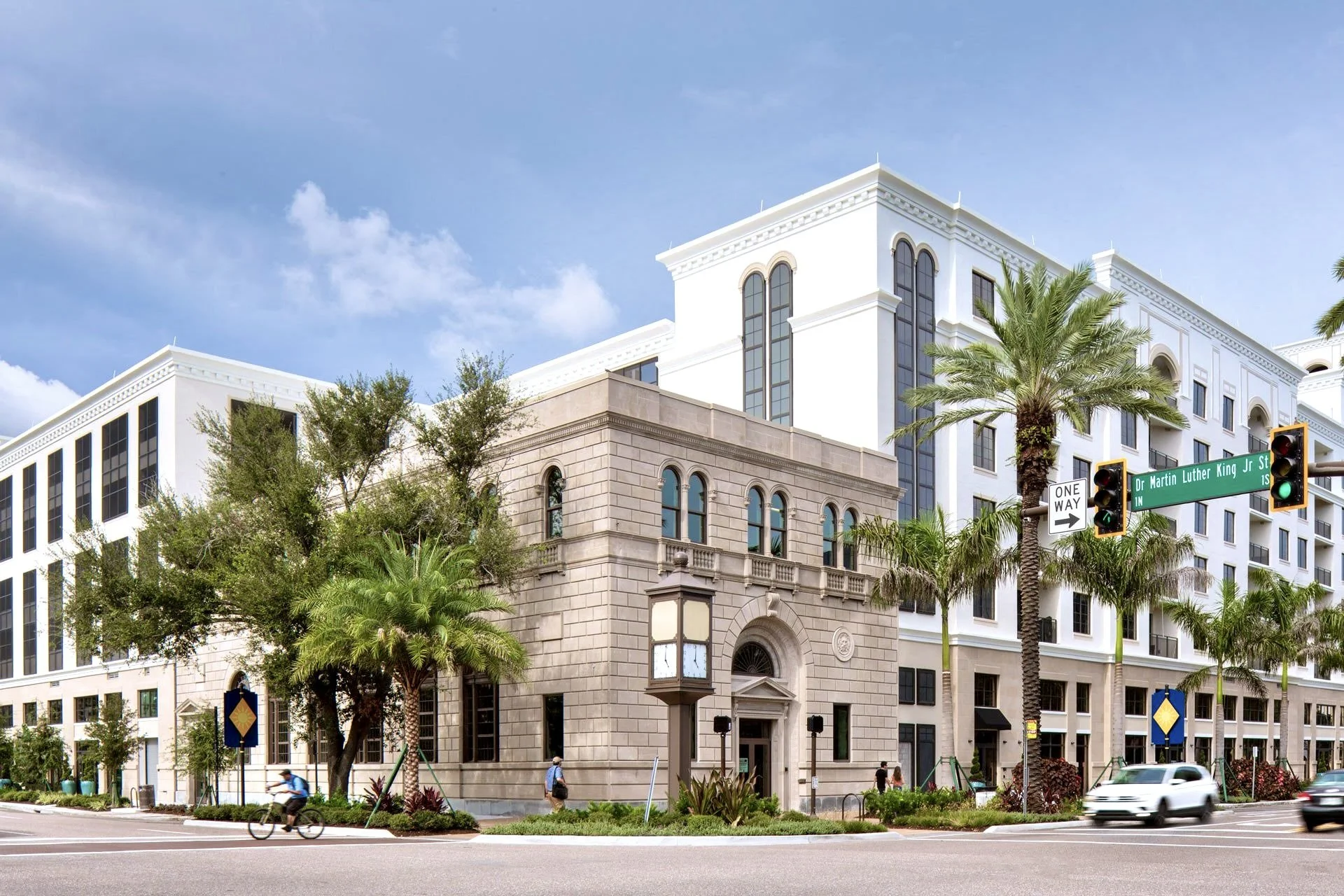
“This museum used to be an old bank building,” Stillman said. “What used to be the old vault will be converted into the new Immersive Theater that can host over 60 people. With the theater, entire groups of school kids can hear the questions and participate.”
The theater will also show new introductory films about each survivor, a wrap-up film following each testimony, and an introductory film about Holocaust survivor and Nobel Peace Prize winner Elie Wiesel.
The renovation’s second major component, The Wiesel Experience, will take shape on the third floor.
A new $10 million exhibit will become the permanent home of Elie Wiesel’s collection | The Florida Holocaust Museum
The Florida Holocaust Museum was selected in 2024 to become the permanent home for Wiesel’s entire collection, library, and works, including many materials that have never been publicly displayed.
Wiesel taught at Eckerd College for nearly 30 years and cut the ribbon when the Florida Holocaust Museum opened downtown in 1998.
Although visitors can already see a sneak peek of the collection, including photographs and artifacts, the expanded experience will recreate Wiesel’s office and feature touchscreens allowing access to his full digitized collection.
It will also include manuscripts, recordings, personal artifacts, a library and writing workshop, and a dialogue space.
The Wiesel Experience will replace an auditorium and office space on the third floor. The museum will also reconfigure its classroom and remaining third-floor space to maximize use of the area.
The Immersive Theater is estimated to cost $5 million, while The Wiesel Experience is expected to cost $10 million. The museum has already received approval for $1.5 million in Florida Fixed Capital Outlay funding for the theater and $2.5 million for the Wiesel project.
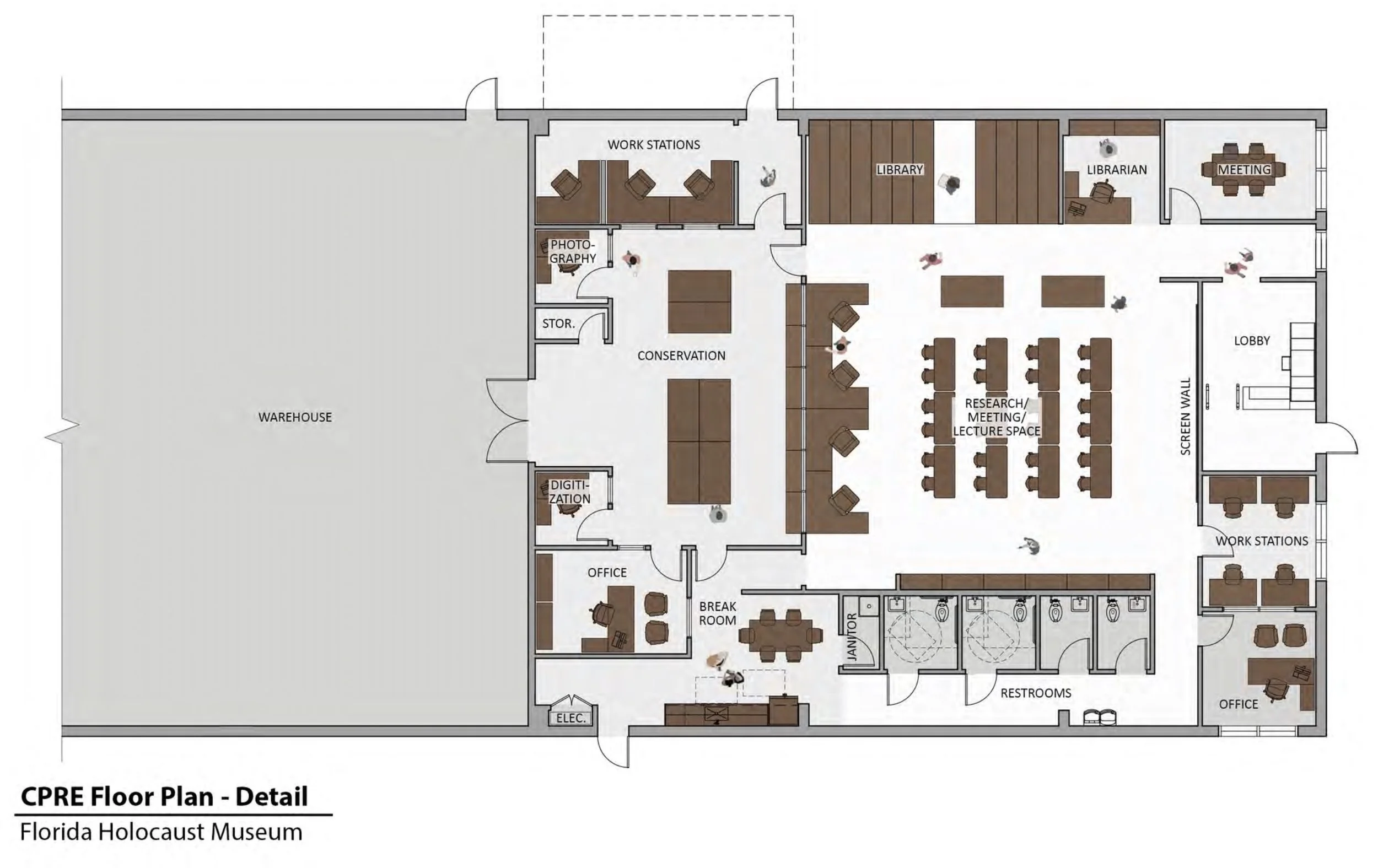
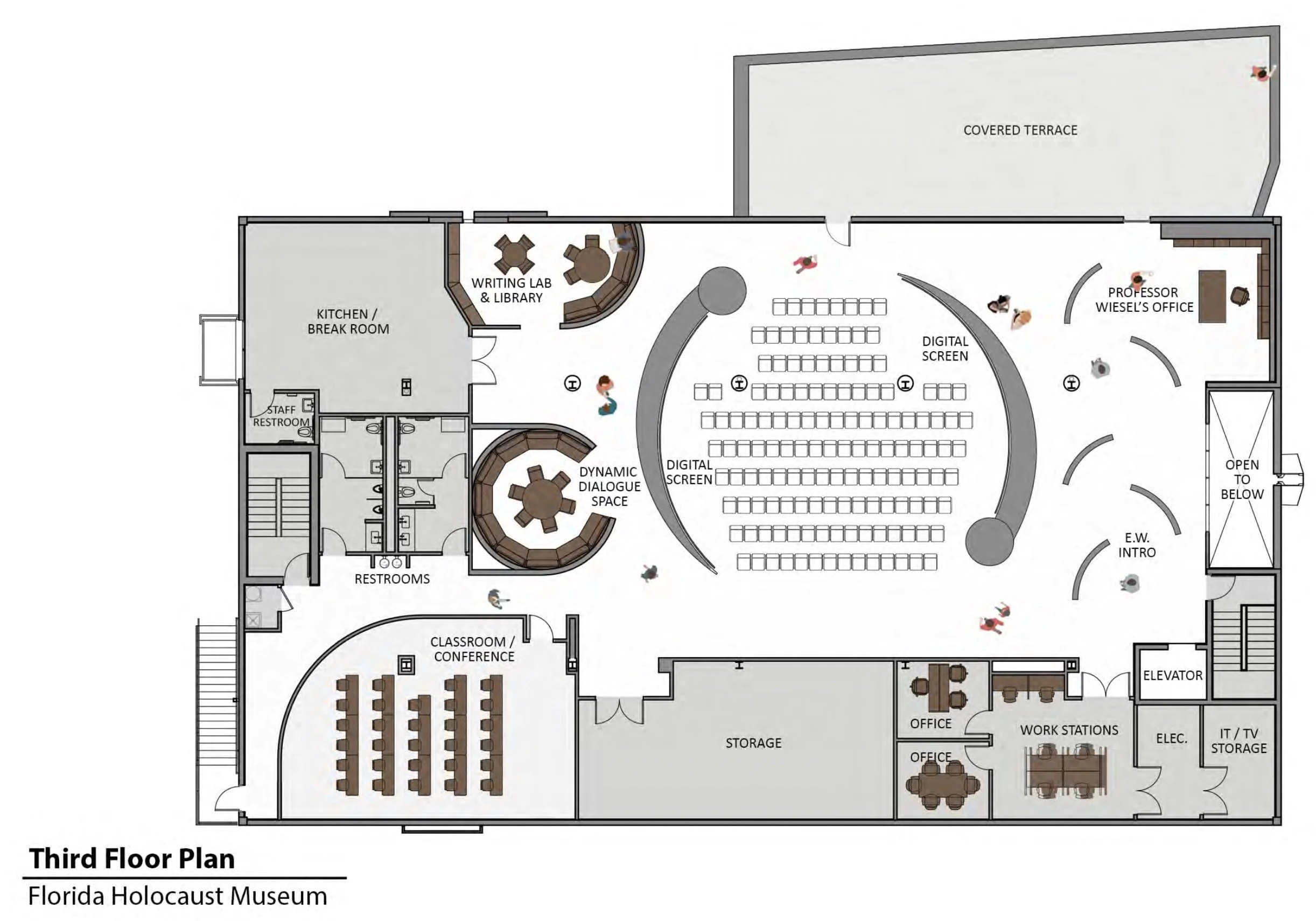
The project is currently in permitting, with construction expected to begin once the City of St. Petersburg approves the plans.
The museum hopes to open the Immersive Theater in 2027 and The Wiesel Experience in 2028.
The renovation plans follow an $8 million project completed last year that added a new entrance with enhanced security features, an open-air second-story balcony, and a temporary installation featuring elements of the Wiesel collection.
The museum also expanded the gallery housing the Danish rescue boat Thor, one of several fishing boats used to evacuate Jewish people from Nazi-occupied Denmark to Sweden in late 1943. The rescue effort saved more than 7,000 people.