Habitat for Humanity plans 14 affordable homes on former St. Pete church site
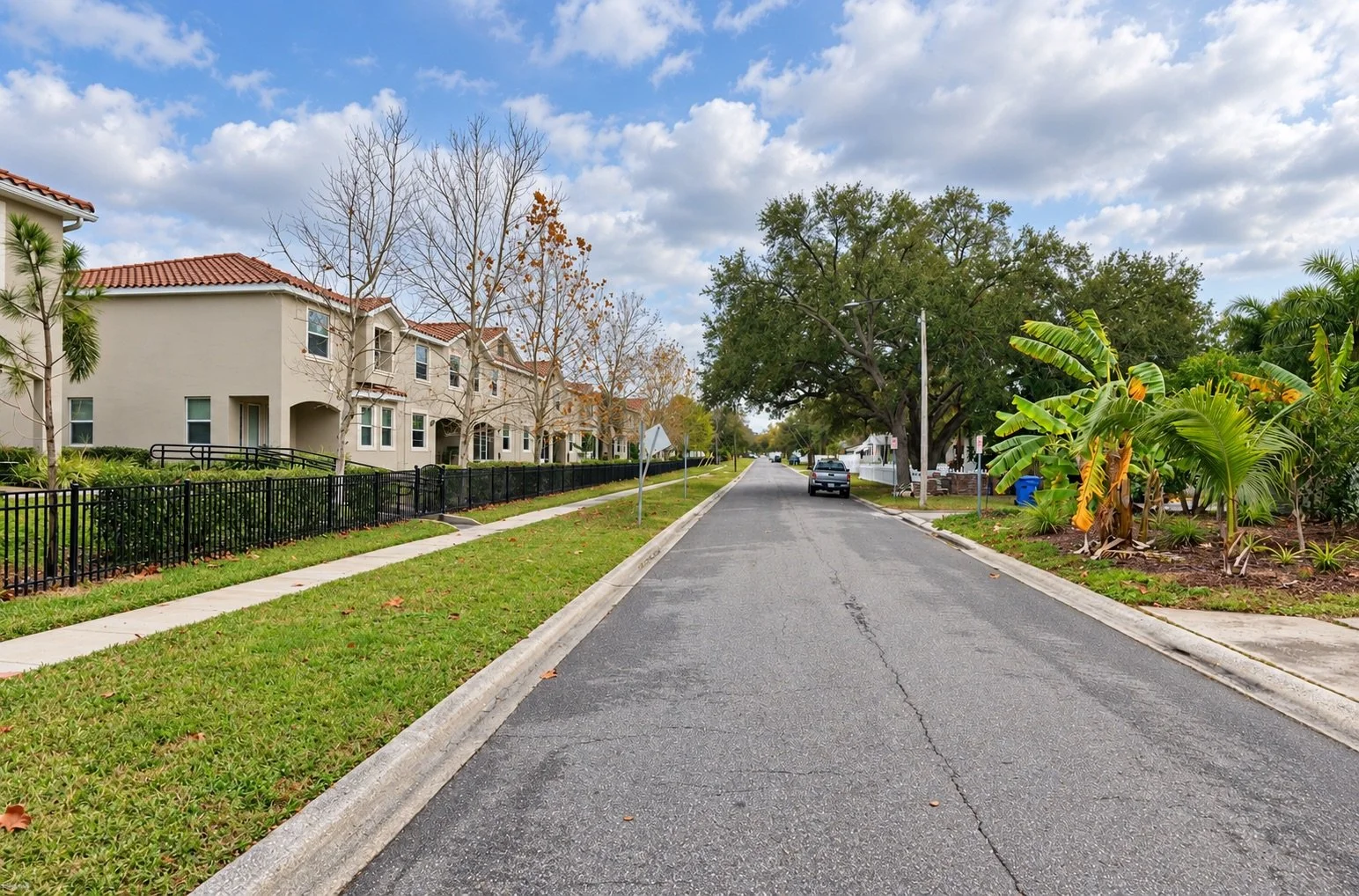
/14 affordable homes will be constructed by Habitat for Humanity on The former home of St. Bede Episcopal Church in St. Petersburg | Google Maps
A former church property in St. Pete’s Lake Euclid neighborhood could soon become an affordable homeownership community.
Habitat for Humanity Tampa Bay Gulfside plans to build 14 affordable single-family homes at 2500 16th Street North, the former home of St. Bede Episcopal Church.
The church, constructed in 1952, was demolished in 2023.
Last July, Habitat purchased the vacant two-acre property from the Episcopal Diocese of Southwest Florida for $1.4 million.
The local Habitat chapter initially considered building up to 39 townhomes on the site. However, following community meetings and further financial analysis, the organization shifted to a smaller single-family home development.
“After numerous community meetings with the Lake Euclid neighborhood, and looking at multiple pro forma scenarios, we decided single-family homes were the best route for us,” Habitat for Humanity Tampa Bay Gulfside CEO Mike Sutton said in a conversation with St. Pete Rising.
The development, named St. Bede’s, will honor the former church and its legacy. Habitat also plans to recruit prospective homeowners through local Episcopal churches.
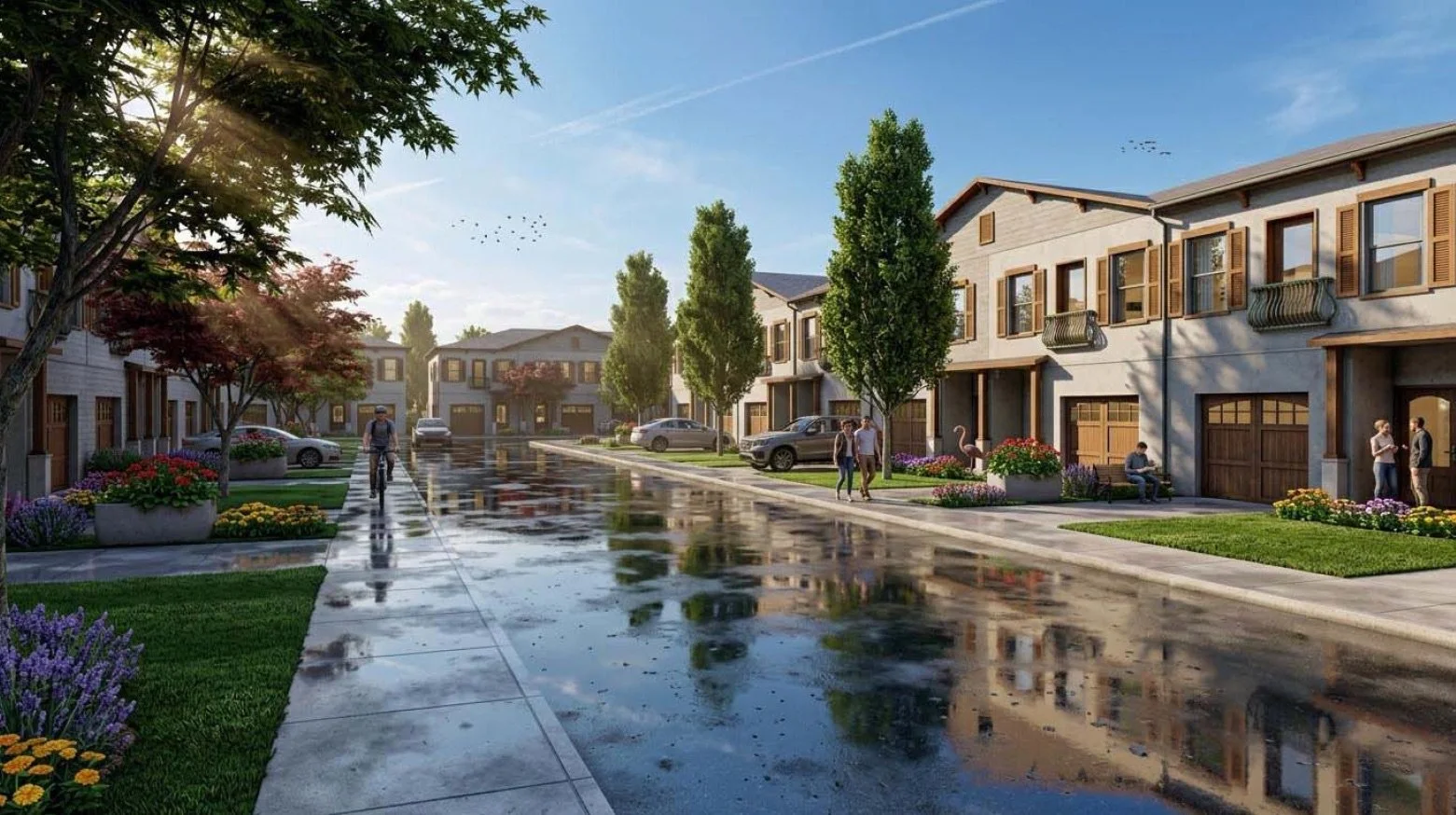
The homes will average about 1,500 square feet and will primarily include three-bedroom, two-bathroom floor plans with one- and two-car garages.
Habitat for Humanity plans to construct 14 affordable houses at 2500 16th Street North, formerly home to St. Bede Episcopal Church | Google maps
“This site was interesting to us due to our relationship with the Episcopal Diocese of Southwest Florida,” Sutton said. “They are involved with the project from a collaboration standpoint.”
Habitat expects to receive site plan approval from the City of St. Petersburg by the end of the year. Construction is expected to begin sometime in 2027.
As with all Habitat projects, prospective buyers must earn between 30% and 80% of the area median income (AMI), demonstrate a need for safe and stable housing, show they can repay a mortgage, and commit to Habitat’s homeownership program.
Before closing on their new home, they must complete 38 homebuyer education classes covering budgeting, financial literacy and home maintenance, along with 350 to 450 hours of sweat equity.
Participants can earn those hours by volunteering at construction sites and build homes for other families in the program.
In return, buyers receive a fixed-rate, zero-interest mortgage.
Mortgage payments are then reinvested through a revolving fund that helps Habitat build additional homes throughout the region.
Site plan for St. bede’s, a proposed cluster of 14 affordable houses coming soon to the Lake Euclid neighborhood of St. Pete | Habitat for Humanity Tampa Bay Gulfside
Since 1985, Habitat for Humanity Tampa Bay Gulfside has built more than 1,000 homes.
The St. Bede’s project is part of a broader effort by Habitat to partner with churches that own aging or underutilized properties.
As attendance declines and maintenance costs rise, some congregations are selling properties, merging with other churches, or reinvesting proceeds into new facilities.
Habitat is also planning a 100-townhome community at the former First Assembly of God church property on Wyatt Street in Largo, adjacent to its 54-unit Longlake Preserve townhome development.
The Wyatt Street site was recently rezoned for residential development. Sutton said Habitat is fundraising for infrastructure and negotiating potential subsidies with Pinellas County and the City of Largo, with construction anticipated to begin in 2027.
In Seminole, Habitat plans to demolish Lake Seminole Presbyterian Church at 8505 113th Street and replace it with 18 affordable villas for residents 55 and older. Habitat would work with the congregation to construct a new sanctuary as part of the project.
Notably, none of the church-property projects are using the state’s new Yes In God’s Backyard or YIGBY, framework, which allows qualifying religious institutions to pursue affordable housing development on land they own regardless of underlying zoning.
Sutton said the YIGBY legislation offers limited value for Habitat’s equity-building homeownership model, as the program is primarily geared toward rental housing rather than ownership opportunities.