
New I-275 express lanes and shared-use path open on Howard Frankland Bridge
/
Motorists now have a quicker way to travel between St. Pete and Tampa.
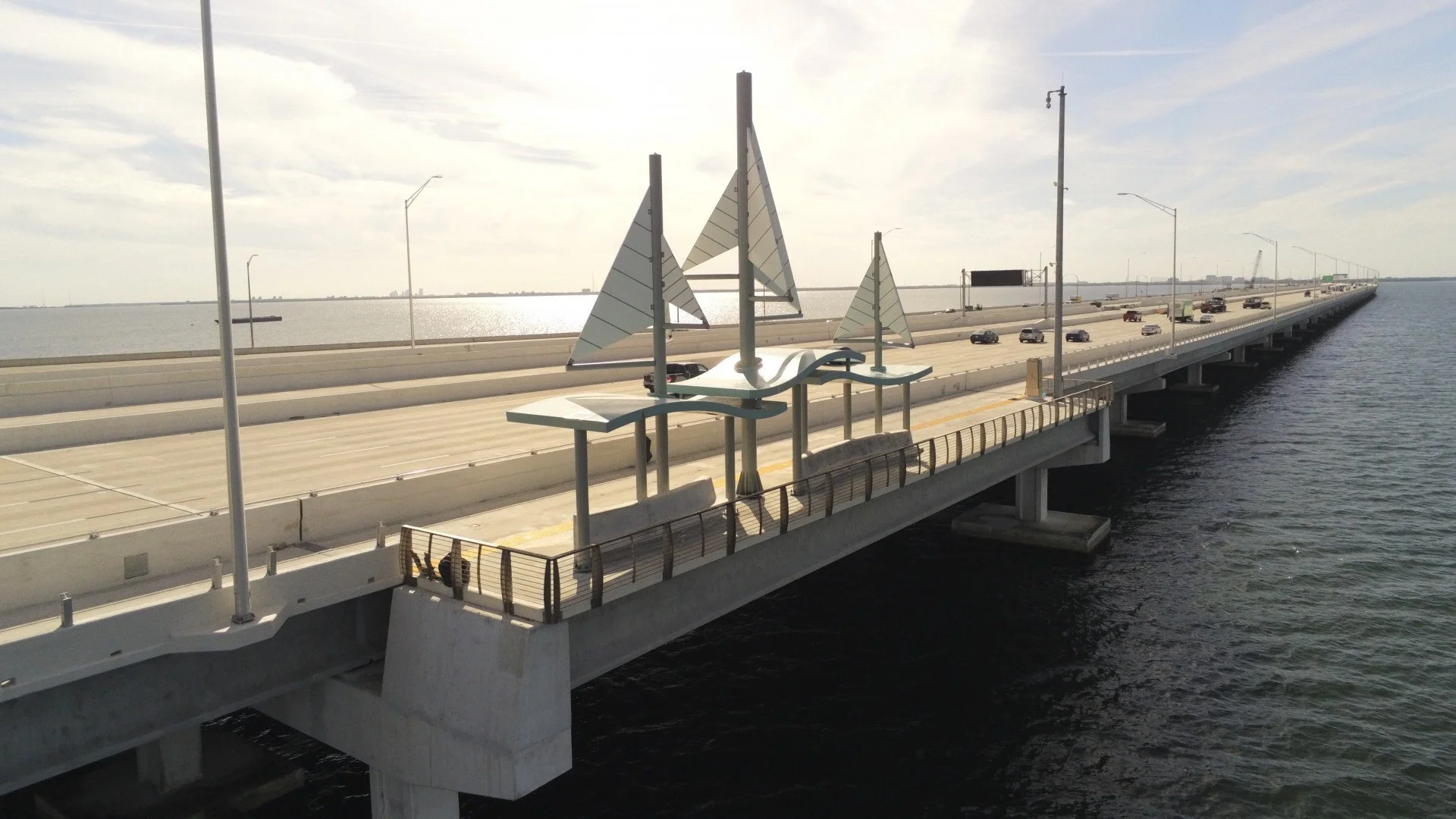
In the early morning hours of Wednesday, May 27th, the Florida Department of Transportation (FDOT) opened the new northbound I-275 express lanes on the Howard Frankland Bridge, along with a new pedestrian and bicycle trail.
The express lanes and trail are major components of the $972.5 million bridge replacement and improvement project, which began in 2020.
The new express lanes extend from 4th Street North in St. Petersburg to just north of the bridge in Tampa.
Running in the median of I-275, the lanes are separated from general traffic by barrier walls and flexible delineator poles.
FDOT contractors are expected to open the southbound express lanes over the next several nights, weather permitting.
The express lanes are currently toll-free during the ongoing testing phase. Once testing is complete, tolls will be collected electronically 24/7 through SunPass or other Florida-compatible transponders. Cash and TOLL-BY-PLATE will not be accepted.
Read More








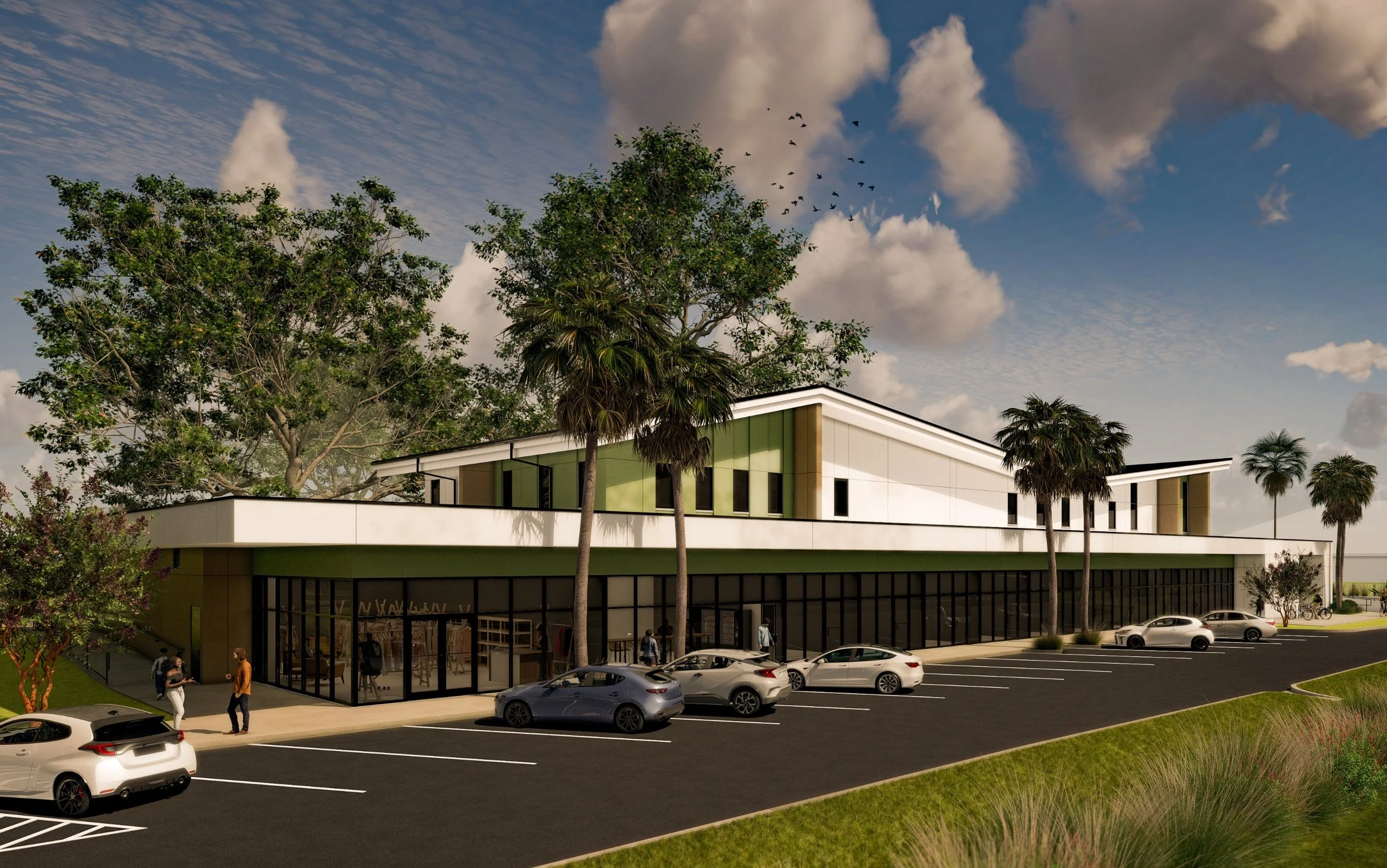








St. Petersburg has a rule that protects our waterfront. If the city wants to lease public waterfront land for longer than a short term, voters decide. That rule is worth keeping, and a "yes" vote on Charter Amendment #2 does not weaken it.
Here is what it changes. Under the City Charter, Port leases are capped at 10 years unless voters approve more in a citywide referendum. Charter Amendment 2 would raise that cap to 25 years, the same limit Albert Whitted Airport has had since 2004, when voters raised it from five years. Giving the Port the same terms as its neighbor is sensible.
Here is what it does not change. The ballot language says the amendment "would not change the permitted use of the Port." It does not approve residential development at the site, and it does not approve any redevelopment of the Port. It changes one number, the maximum lease length. Every lease would still go through the city administration and City Council. The amendment does not hand anyone a blank check. It lets the city negotiate from a stronger position.