New district markers are a sign of Grand Central District’s growing identity
/New district markers have been installed in the Grand Central District of St. Petersburg | St. Pete Rising
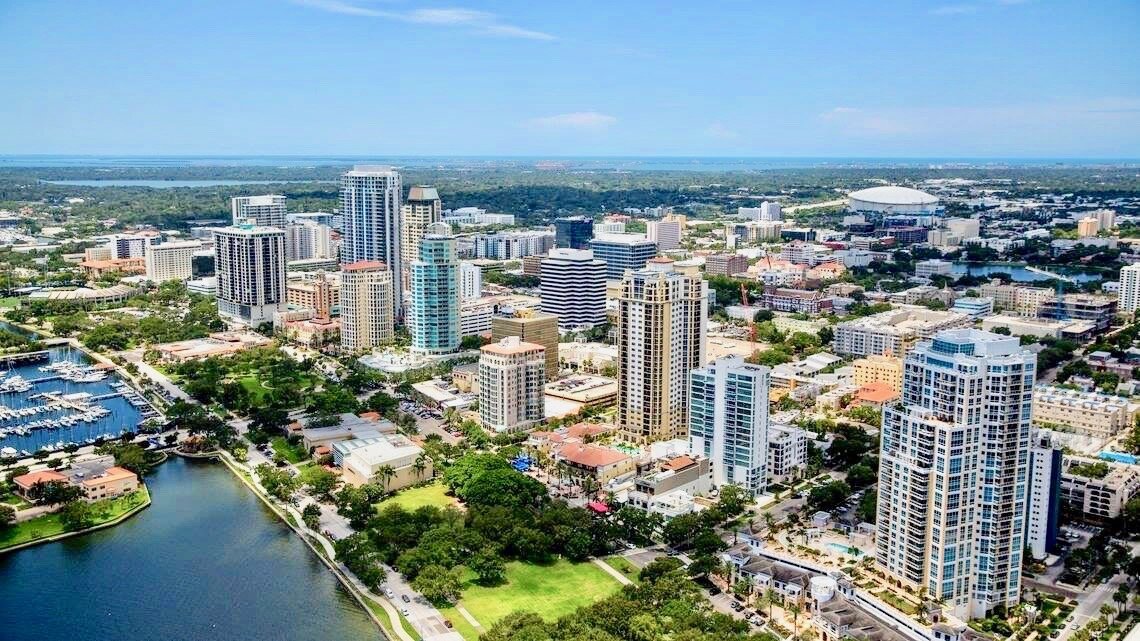
New district markers now welcome residents and visitors to the Grand Central District, a neighborhood that has steadily grown into one of the Sunshine City’s most active, walkable neighborhoods.
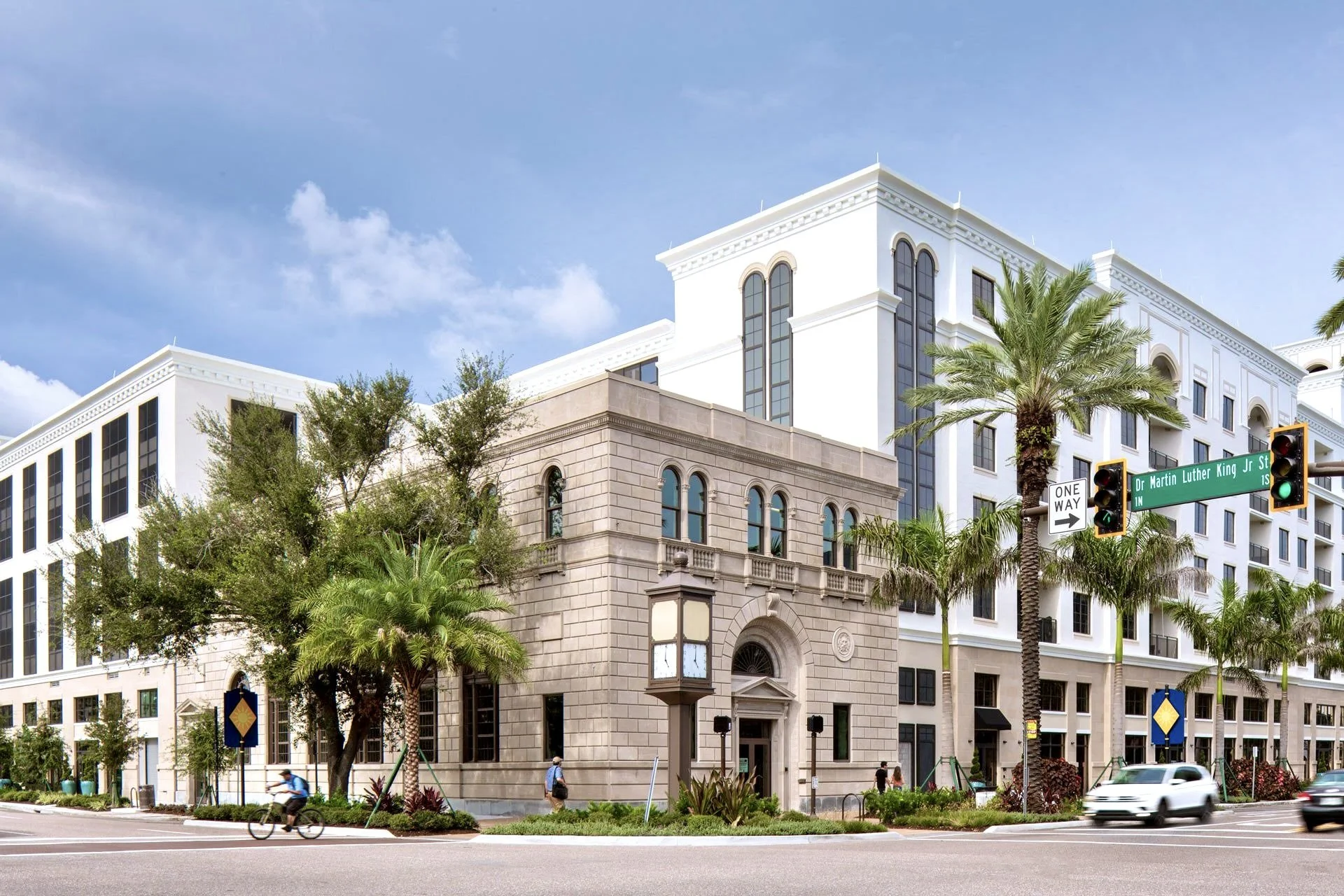
One of the metal sculptures now stands at the intersection of Central Avenue and 16th Street in front of the Arte apartment complex.
Created by international artist Volkan Alkanoglu, the towering piece resembles a bird’s plumage.
A second structure, designed to resemble a palm tree, was installed next to the Vantage St. Pete apartments at 1st Avenue North and 16th Street.
“These were designed to reflect the artistic vibes and progressive feel that define the Grand Central District,” District Director Chris Arnold said during a Tuesday ribbon cutting.
The installations mark the culmination of a five-year effort by the Grand Central District Association, which reviewed more than 100 submissions from artists across the country before selecting the final designs.
The new district markers are located at the corner of Central Avenue and 16th Street and 1st Avenue north and 16th Street | Grand Central District
While the markers are new, the district’s identity has been taking shape for decades.
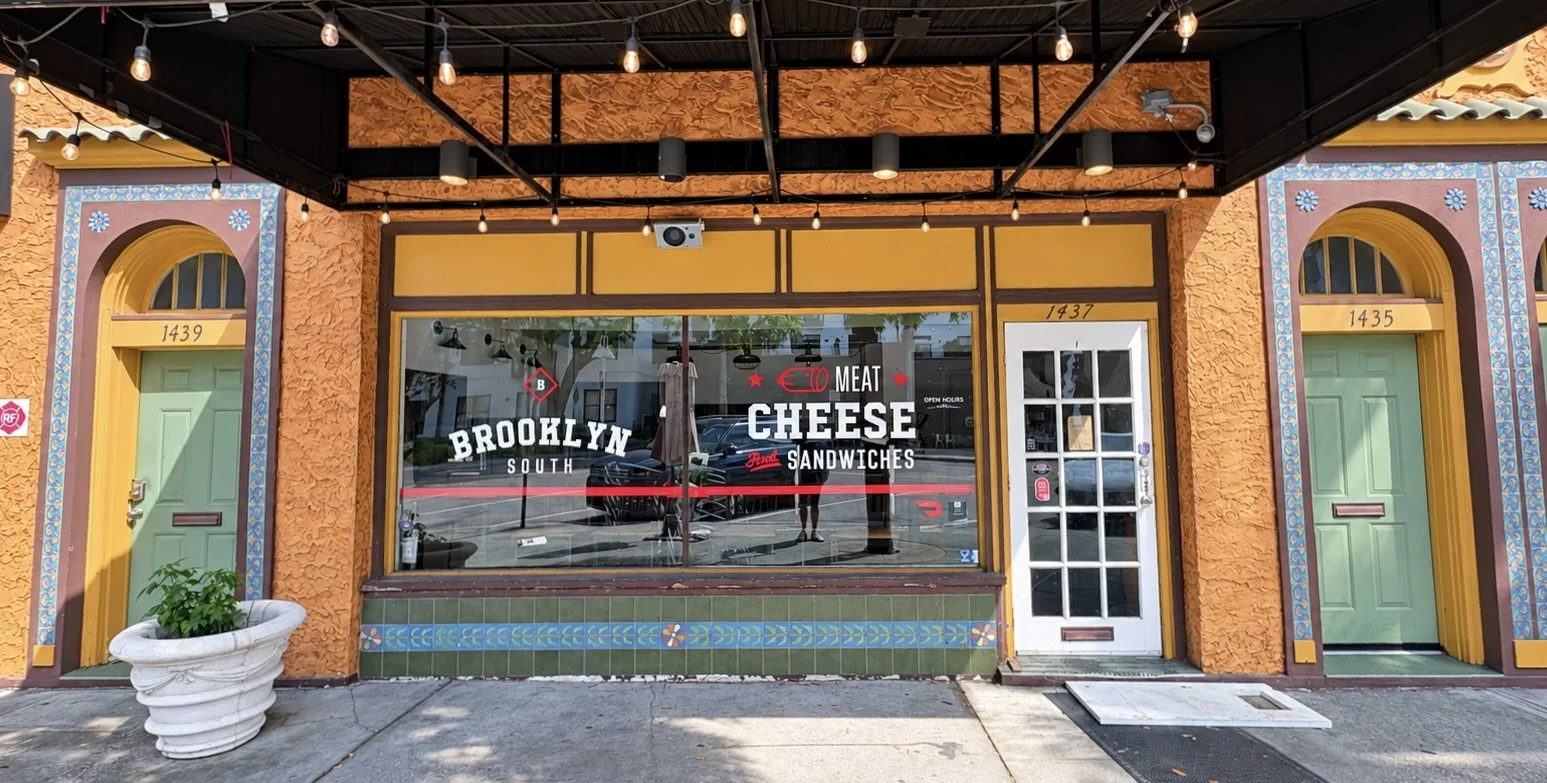
For years, Grand Central functioned largely as a working commercial corridor lined with antique stores, industrial suppliers, auto shops, and neighborhood-serving businesses.
Buildings now occupied by cafes, bars, boutiques, and coffee shops once housed upholstery shops, paint stores, furniture stores, mechanics, and small offices.
For instance, a little over a decade ago, the corner of 27th Street and Central Avenue looked very different.
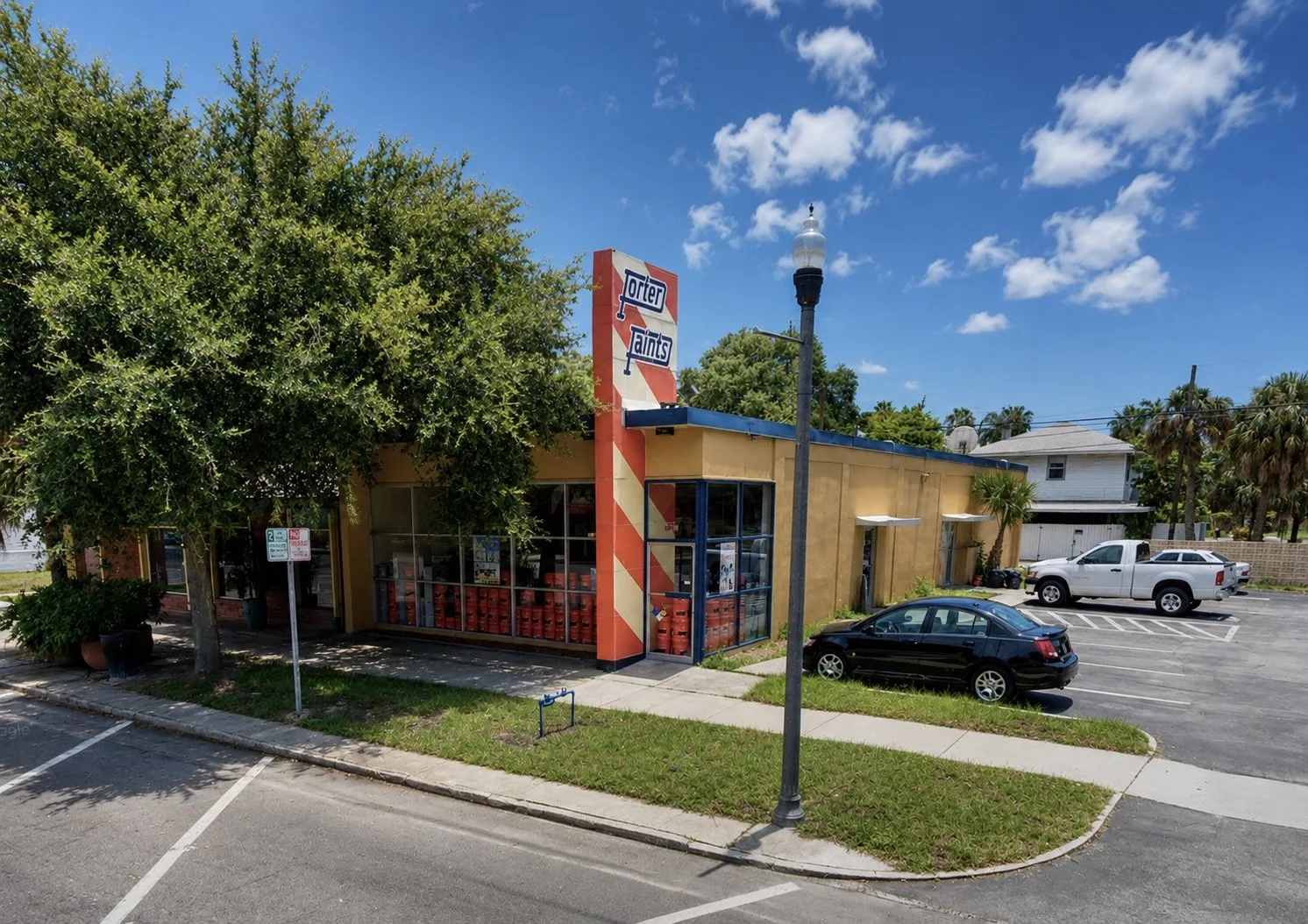
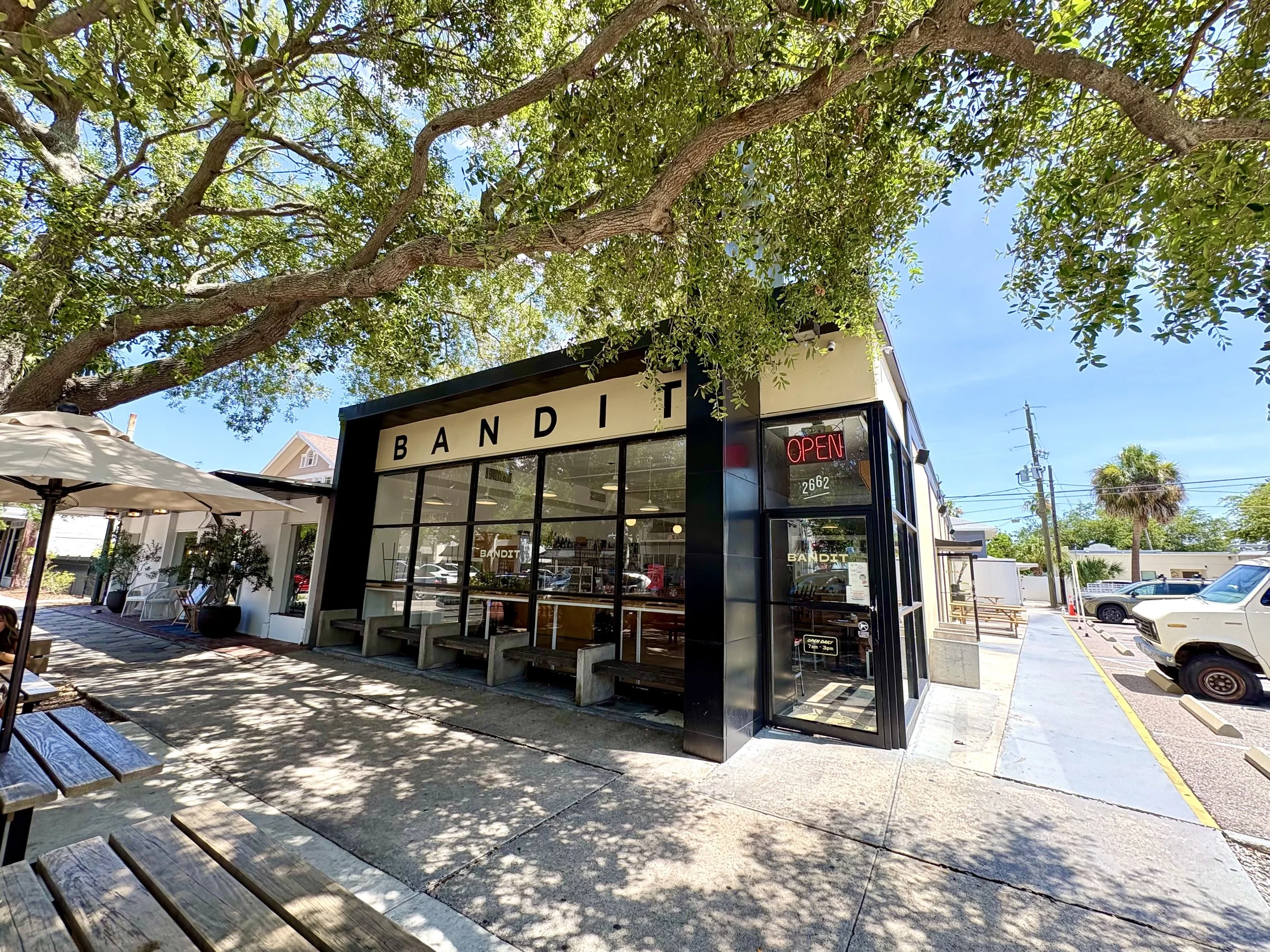
Where Bandit Coffee now draws lines out the door, there was once a Porter Paints store.
Casita Taqueria opened in a former car wash on the northeast corner, while Baba now serves dinner out of a building that once housed a mechanic shop on the northwest corner.
Slim Charmer and Wild Child took over a small office and retail building on the west side of 27th Street.
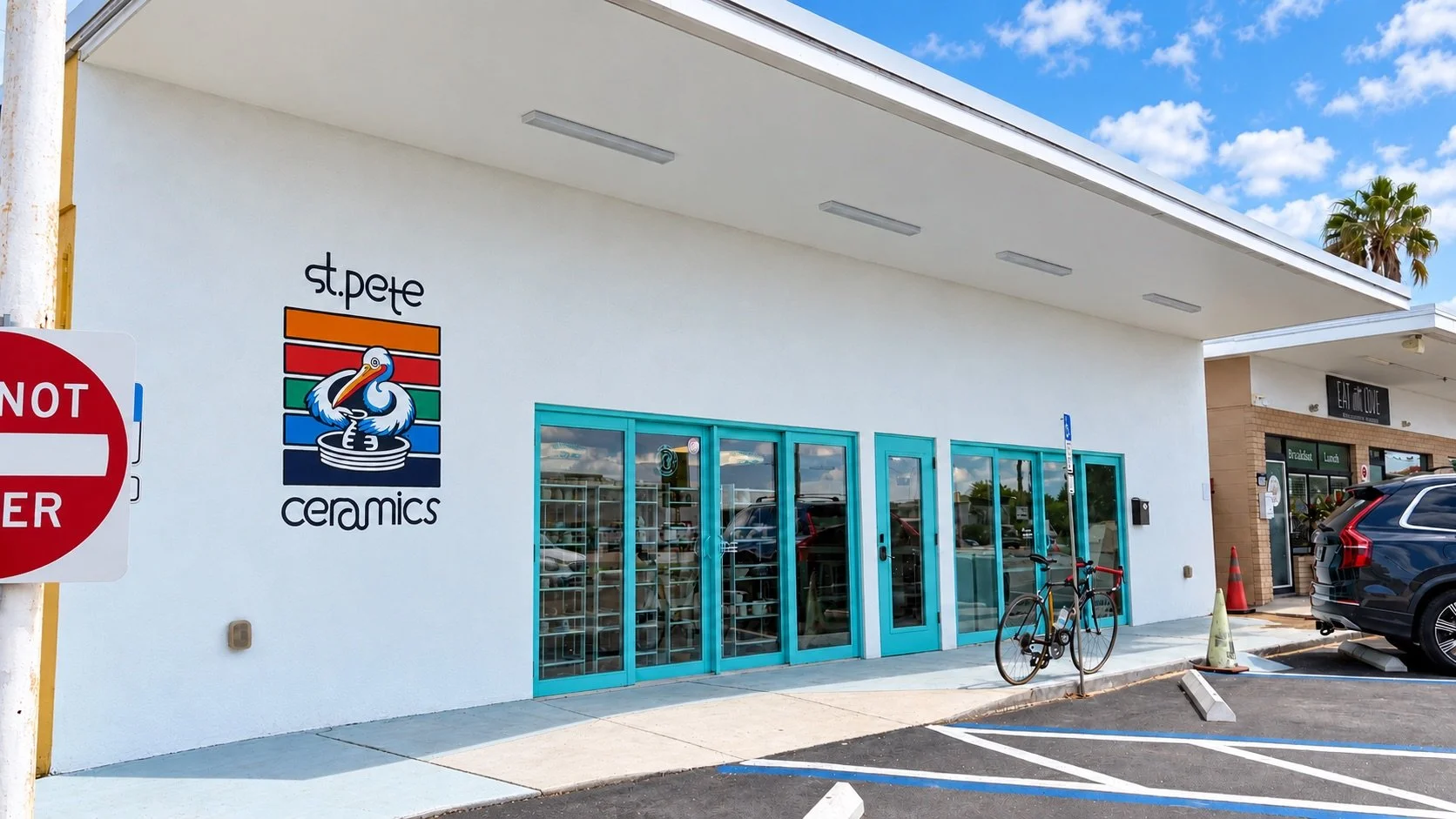
Legacy businesses like Acme Air Conditioning, Goodyear Rubber Products, Herbach’s Rattan Furniture, and Johnson’s Upholstering were once fixtures along the corridor before new owners repurposed the buildings into retail, restaurant, and hospitality concepts.
According to the district’s 2023 master plan, the corridor flourished through the mid-20th century before declining in the 1970s as businesses shuttered and buildings deteriorated.
A revitalization effort in the early 1990s helped spark the district’s rebound, eventually leading to the formal creation of the Grand Central District in 2000.
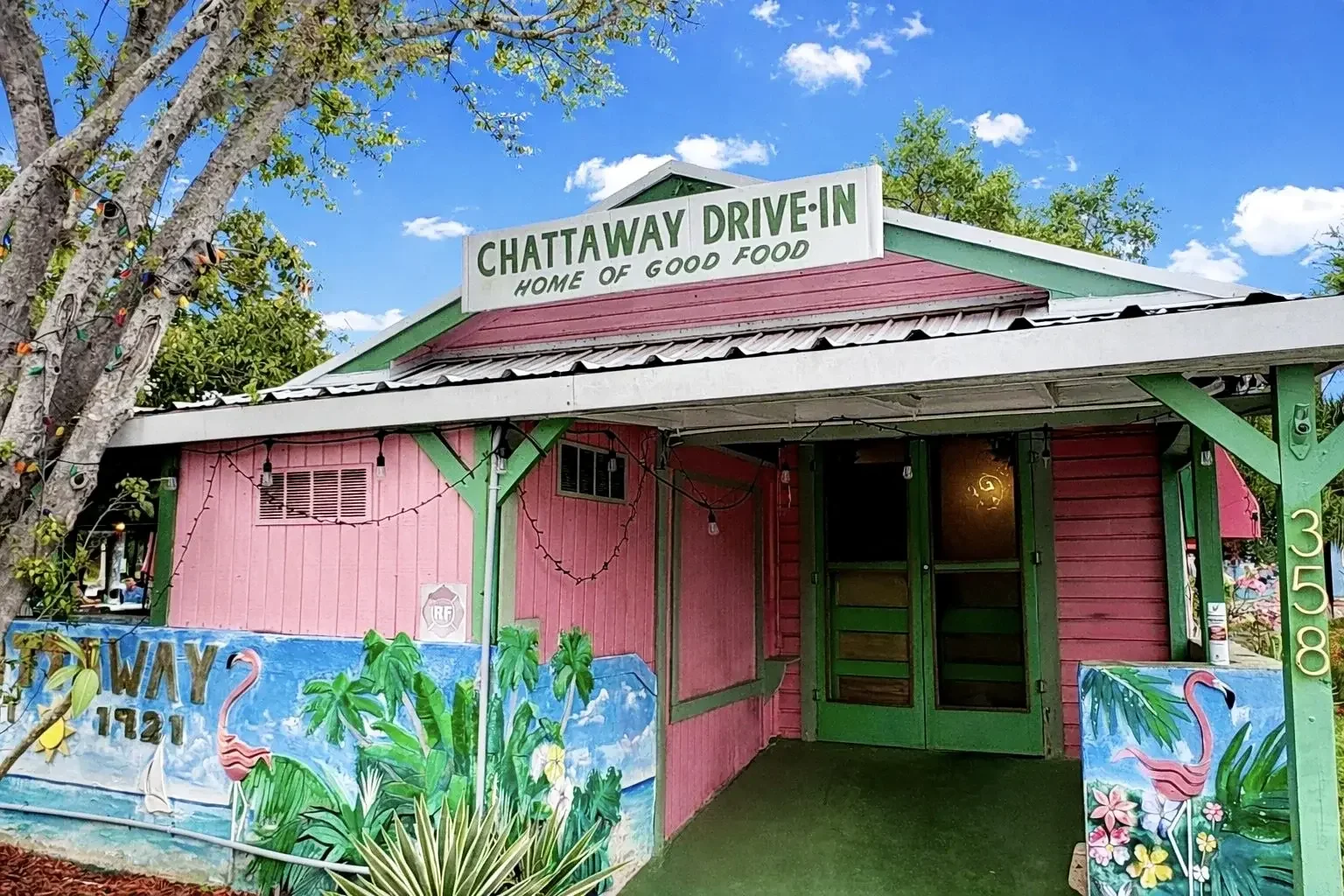
Today, the district stretches roughly 15 blocks west of downtown St. Pete and has become known for its walkability, murals, LGBTQ-friendly culture, more than 400 independent businesses, and major events like Halloween on Central and St. Pete Pride celebrations.
“More restaurants are coming in, and rents are rising, but I hope we retain our character and continue to be a place where fellow business owners support each other,” said Beverly Nunnally, owner of The Foundry vintage shop at 2604 Central Avenue.
Earlier this year, Nunnally also took over the nearby Janet’s Antiques after longtime owner Janet Howe stepped away following more than two decades in business.
“After the building sold, we didn’t want to see the business close, and neither did the new property owners,” Nunnally said. “We’ve kept 95% of the vendors here. It’s important that they still have a presence here in St. Pete.”
A vision of future walkability enhancements as outlined in the Grand Central District master plan | WSP
The district’s evolution has also attracted growing attention from restaurateurs and retailers.
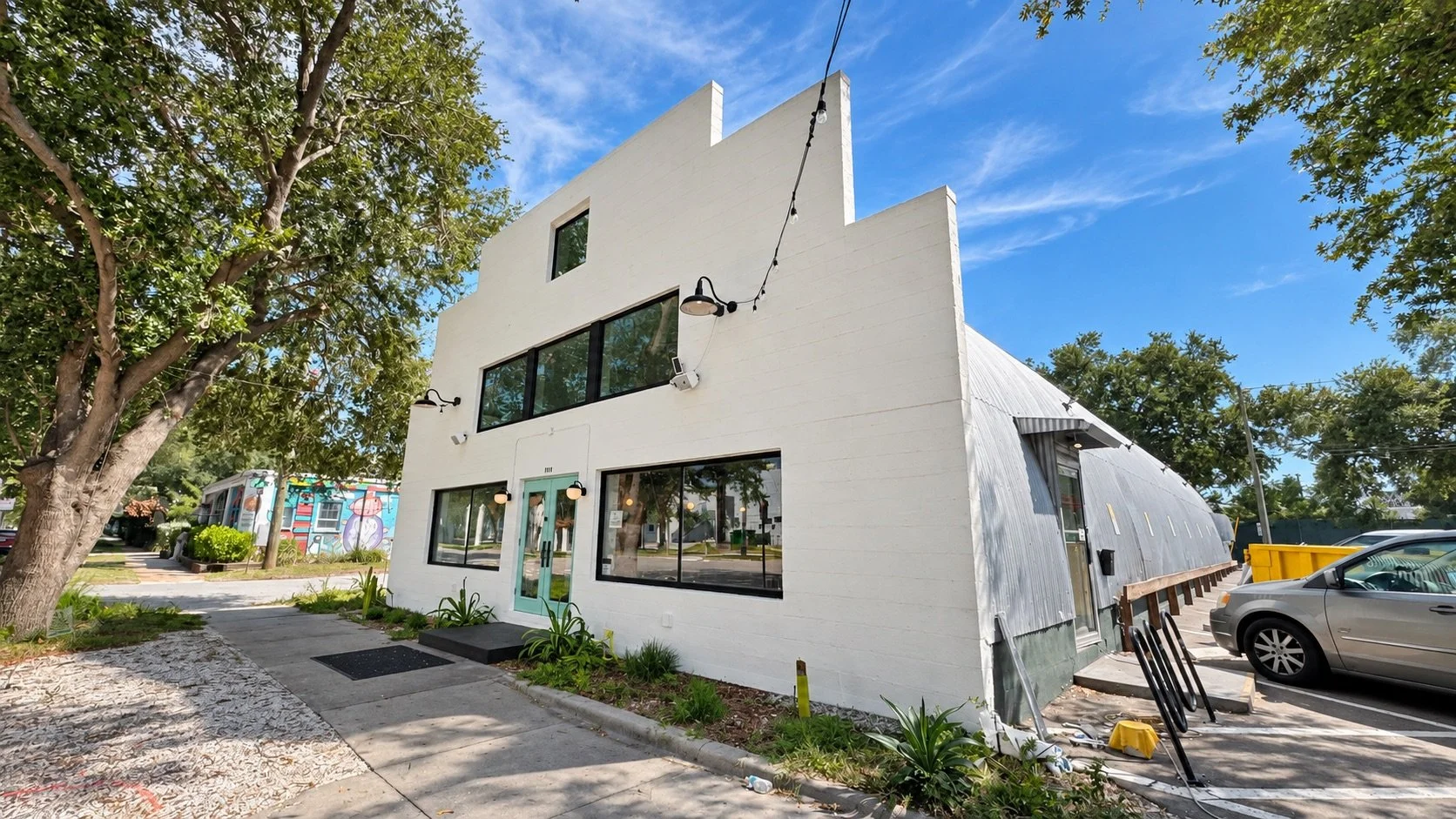
Pete’s Bagels, which got its start as a small neighborhood bakery and general store in Historic Uptown, opened a large flagship operation and commercial kitchen at 2361 1st Avenue South in Grand Central District in 2021.
“My wife and I lived in Historic Kenwood for six years and recently moved. The district is changing with more people and businesses. It’s been fun to be a part of it,” owner Steven Peterman said in a conversation with St. Pete Rising.
The area surrounding Pete’s Bagels, Black Crow Coffee, and Tombolo Books has become increasingly active over the last several years.
“When we walked by this space years ago, we thought it was off the beaten path. Obviously that’s not the case at all,” Peterman recalled. “It’s just as busy as Central Avenue.”
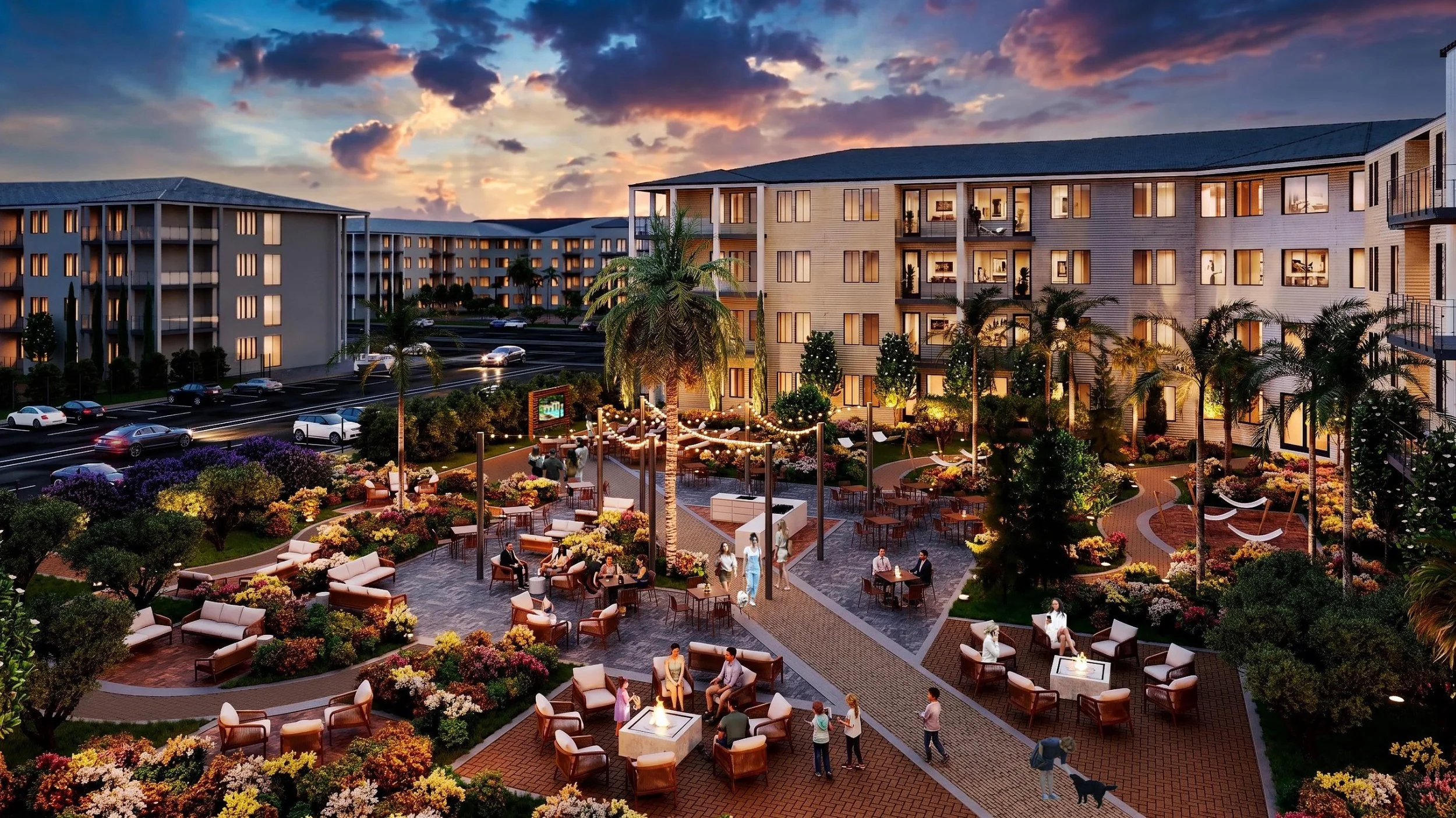
As Grand Central continues to grow, the district is also entering a new phase shaped by larger development proposals and zoning changes tied to the SunRunner corridor.
Potential development scenario at 22nd Street Sunrunner Station at 1st Avenue North using the newly passed transit-oriented development (TOD) zoning overlay, according to the Grand Central District Master Plan | WSP
Last week, St. Petersburg approved a major zoning overhaul allowing taller buildings and eliminating parking minimums along portions of the bus rapid transit route, including stretches of Central Avenue through Grand Central.
Several major projects are already in various stages of planning, including the redevelopment of the century-old Playhouse Theater property at 1850 Central Avenue.
Developer Blue Sky Communities plans to build a 12-story, 150-unit affordable housing tower with ground-floor commercial space on the site.
“Some people may not like the idea of a 12-story building at the site, but the Playhouse has been vacant for years,” Arnold said. “We want thoughtful development and want to make sure it’s going to fit in the neighborhood and not hurt any historic preservation efforts.”
Arnold said the district association increasingly acts as a bridge between incoming businesses, developers, residents, and the district’s long-term vision.
“We want to keep building on what makes Grand Central unique,” Arnold said.