After 2024 crane collapse, St. Pete revisits tower crane safety ahead of hurricane season
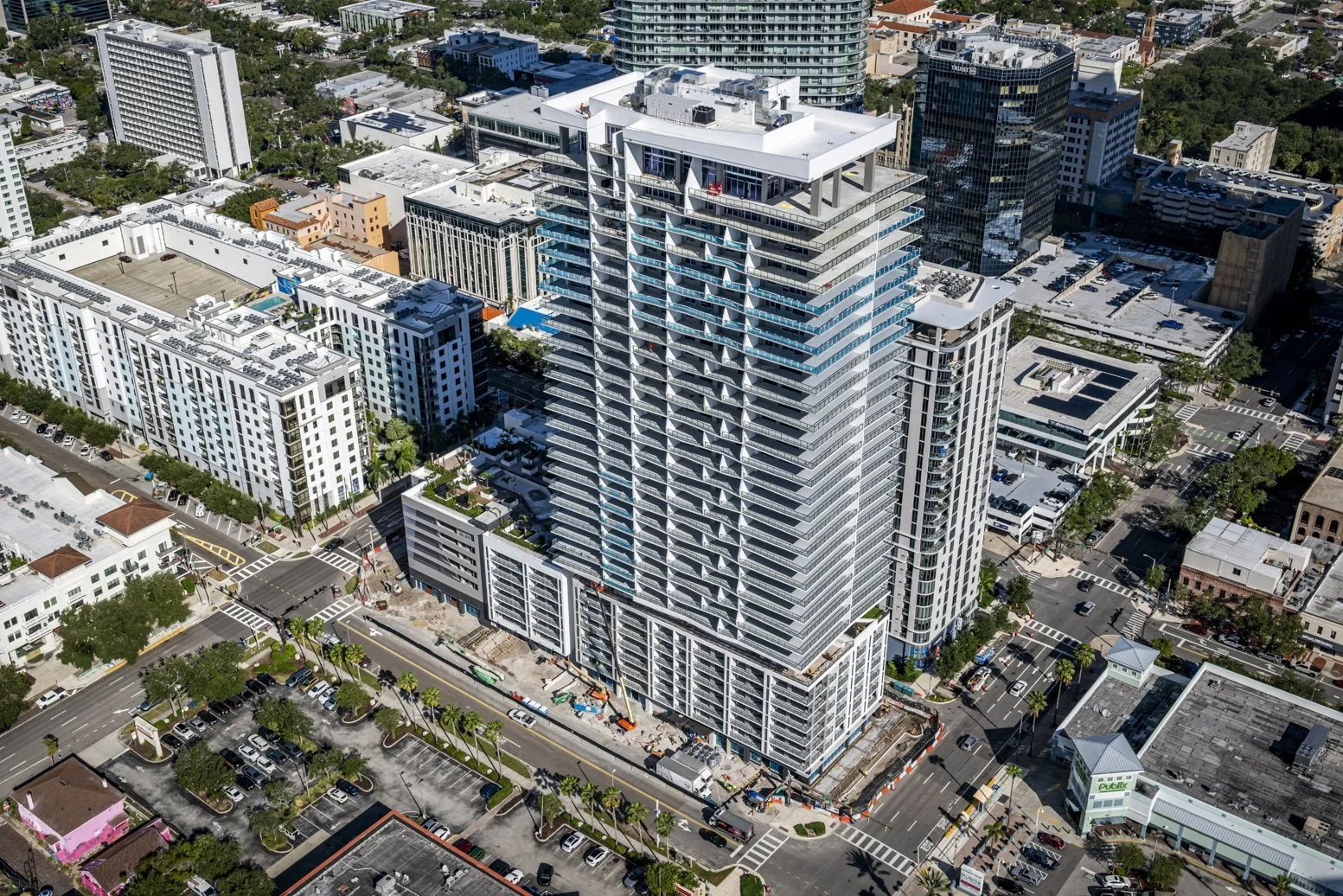
/The only active crane in downtown St. Pete right now is at 3rd & 3rd, a 33-story apartment tower, rising at 235 3rd Street South | St Pete Rising
Crane safety returned to the spotlight at last Thursday’s Public Service and Infrastructure Committee meeting, as St. Petersburg officials reviewed new preparedness measures and ongoing recommendations ahead of the start of hurricane season on June 1st.
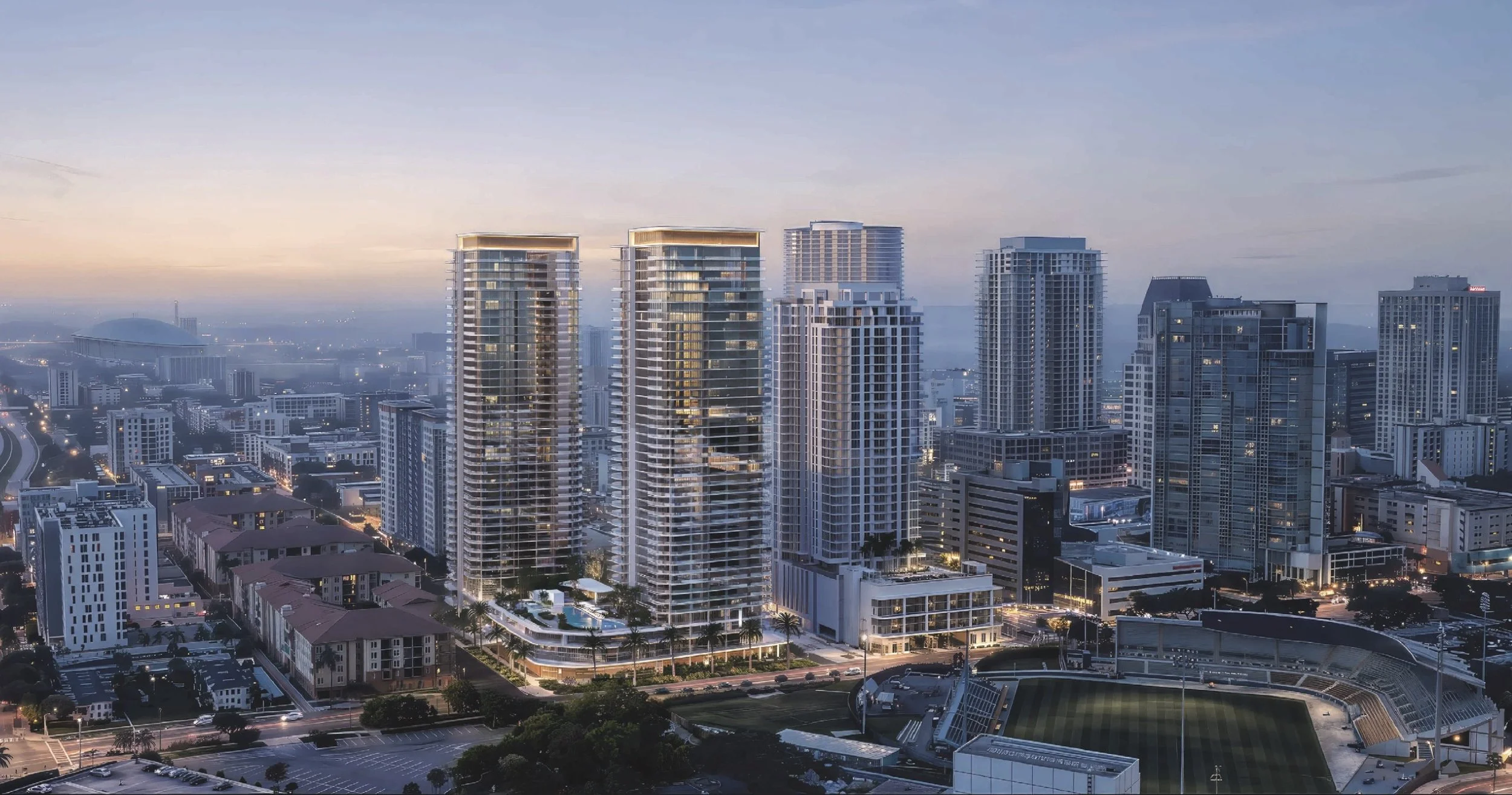
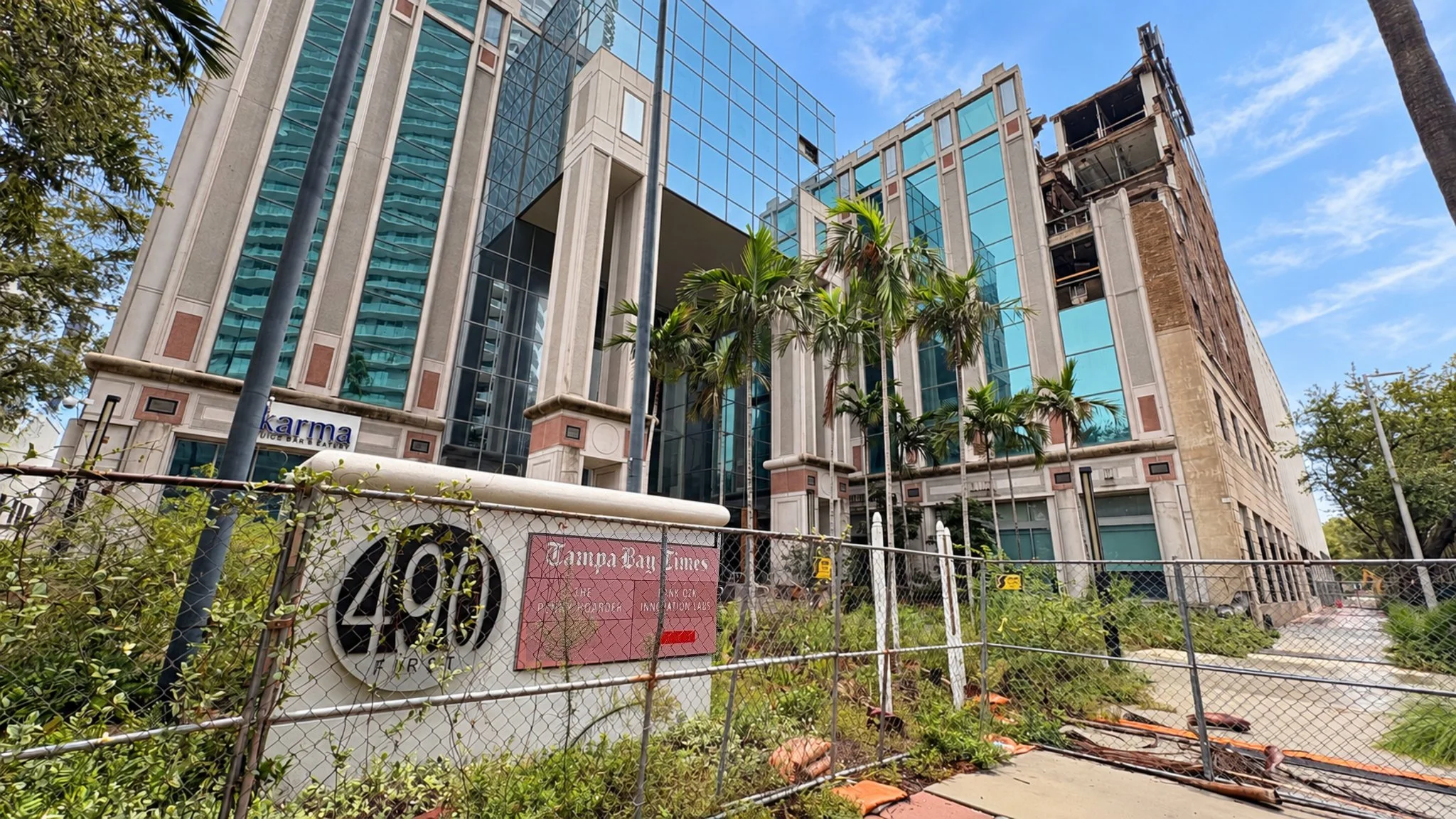
The discussion stems from one of the most visible moments of storm damage in downtown St. Pete history, when high winds from Hurricane Milton caused a 500-foot-tall crane attached to the 46-story Residences at 400 Central tower to fall and crash into the five-story Tampa Bay Times building at 490 1st Avenue South.
The crane collapse ripped through the upper floors of the office building, allowing rainwater to pour into the building and triggering the emergency sprinkler system.
Additionally, portions of the crane and scattered debris were strewn across 1st Avenue South.
Fortunately, the building was vacant and no injuries were reported. However, the incident forced several tenants, including the Tampa Bay Times, to relocate.
More than a year and a half later, the building remains unusable and is now being marketed for sale as a redevelopment site.
During hurricane milton, a fallen tower crane at 400 central damaged the Tampa Bay Times building at 490 1st Avenue South | St. Pete Rising
Councilmember Gina Driscoll, who originally requested the crane safety discussion, said the committee wanted updates not only on regulations but also on how the city plans to communicate with residents living near tower cranes during severe weather events.
“As you all know during Hurricane Milton the crane failed during high winds,” Angela Phillips, a building official with the City of St. Petersburg, said during the presentation. “Luckily nobody was hurt but it did push for more legislation for crane regulations.”
Phillips explained that Senate Bill 180, approved by the Florida Legislature after the storm, now requires hurricane preparedness plans for tower cranes and other hoisting equipment on construction sites.
The law also directed the Florida Building Commission to develop statewide crane safety best practices by the end of 2026.
However, the legislation continues to preempt local governments from imposing stricter crane regulations.
According to Phillips, the city has responded by expanding its own inspection and preparedness protocols.
Those efforts include a new crane hurricane preparedness affidavit requiring contractors and crane operators to document storm preparations with photographs and signed checklists.
Although the state statute prevents the city from mandating the affidavit, Phillips says companies have still been complying voluntarily anyway.
The city also launched updates to its “Prepare, St. Pete” emergency mapping system, which now includes crane impact zones.
in late 2022, construction of the Residences at 400 Central commenced | city of st. pete
Residents can search their address to see whether they fall within the potential collapse radius of an active tower crane.
Phillips explained that the impact zone is calculated using the crane’s height and operating radius, with the mapped area adjusted as cranes climb higher during construction.
The city has also incorporated crane-related alerts into the Alert Pinellas emergency notification system.
Residents can opt in to receive phone, email, or text notifications if a crane emergency occurs nearby.
In extreme situations, county emergency management can issue a Wireless Emergency Alert, similar to a reverse 911 notification, to all phones within an affected area.
Driscoll specifically raised concerns about downtown residents who may not realize crane-specific alerts are available.
“Looking at the radius around where any of our tower cranes are, what I'm looking for is direct messaging to the buildings, the residents who live in those buildings,” Driscoll said during the meeting.
Phillips responded that the city has been coordinating with building managers, neighborhood associations, and hurricane preparedness events to increase awareness of the notification systems.
The City’s interactive “Prepare, St. Pete” map shows all active cranes and a crane radius (in green), representing the potential impact zone during hurricane force winds | City of St. pete
The presentation also highlighted how difficult it can be to dismantle or lower cranes before a storm.
Phillips noted that lowering a tower crane can require one to two weeks of planning, specialized crews, road closures, and significant costs, making rapid storm intensification especially challenging.
At the moment, the city says only one tower crane is erected in downtown St. Pete: the crane at the 3rd & 3rd apartment tower project at 235 3rd Street South.
According to the presentation, that crane stands approximately 197 feet tall and is expected to be removed before the start of hurricane season on June 1st.
The city also displayed engineering drawings and hurricane preparedness plans associated with the 3rd & 3rd crane, including tie-back systems anchoring the crane mast directly into the building structure.
Driscoll praised the city’s response and said the changes demonstrate how the city adapted after Hurricane Milton.
“This just shows how much progress we've made,” Driscoll said. “We always learn multiple things during a storm and this is a great example of how we took what happened and identified a process that needed improvement.”
While state law limits the city’s regulatory authority over crane operations, officials said the focus now is on preparedness, communication, and emergency coordination ahead of future storms.