State of the Economy: Employment, incomes, and construction value rise in St. Pete
/The City of St. Pete recorded a record $1.44 billion in construction value in 2025 while employment, household incomes, and the local labor force continued to grow, according to data presented Wednesday during the city's annual State of the Economy address at the Mahaffey Theater.
Mayor Ken Welch, alongside city officials and economic development leaders, provided an annual update on the city’s current economic standing.
“The state of our economy is not only measured by what we build, but it is also measured by who benefits, who belongs, and who can see a future here,” City Council Chair Lisset Hanewicz said during the address.
“Local governments cannot control interest rates, insurance costs, global supply chains, inflation or the weather, but we do shape conditions that help determine whether people can succeed despite those challenges,” Hanewicz said.
“We decide how to invest in infrastructure, plan for growth, whether our neighborhoods are connected, whether city processes are thoughtful and responsive, and whether we prepare for storms before they arrive rather than reacting afterward.”
Snapshot of St. Pete
St. Petersburg's population reached roughly 266,000 residents in 2025, continuing a gradual increase over the last several years.
The Tampa-St. Petersburg-Clearwater metro area also compared favorably with several similar markets in the Council for Community and Economic Research's Cost of Living Index.
The region received a composite score of 97.3, below the national benchmark of 100.
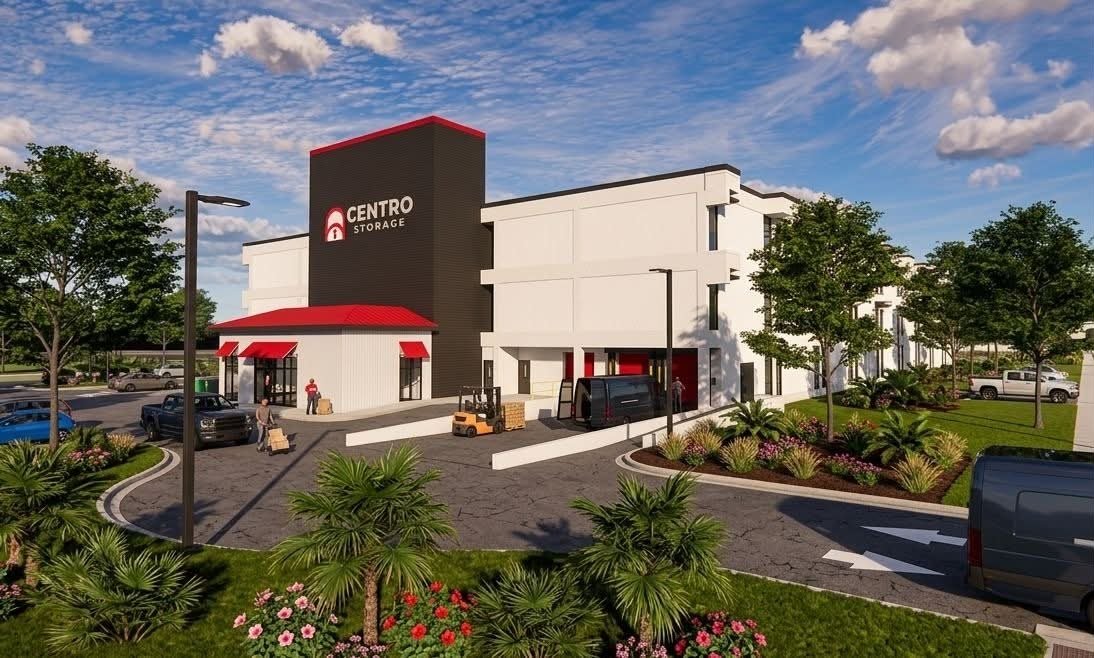
Construction activity remained a major driver of the local economy.
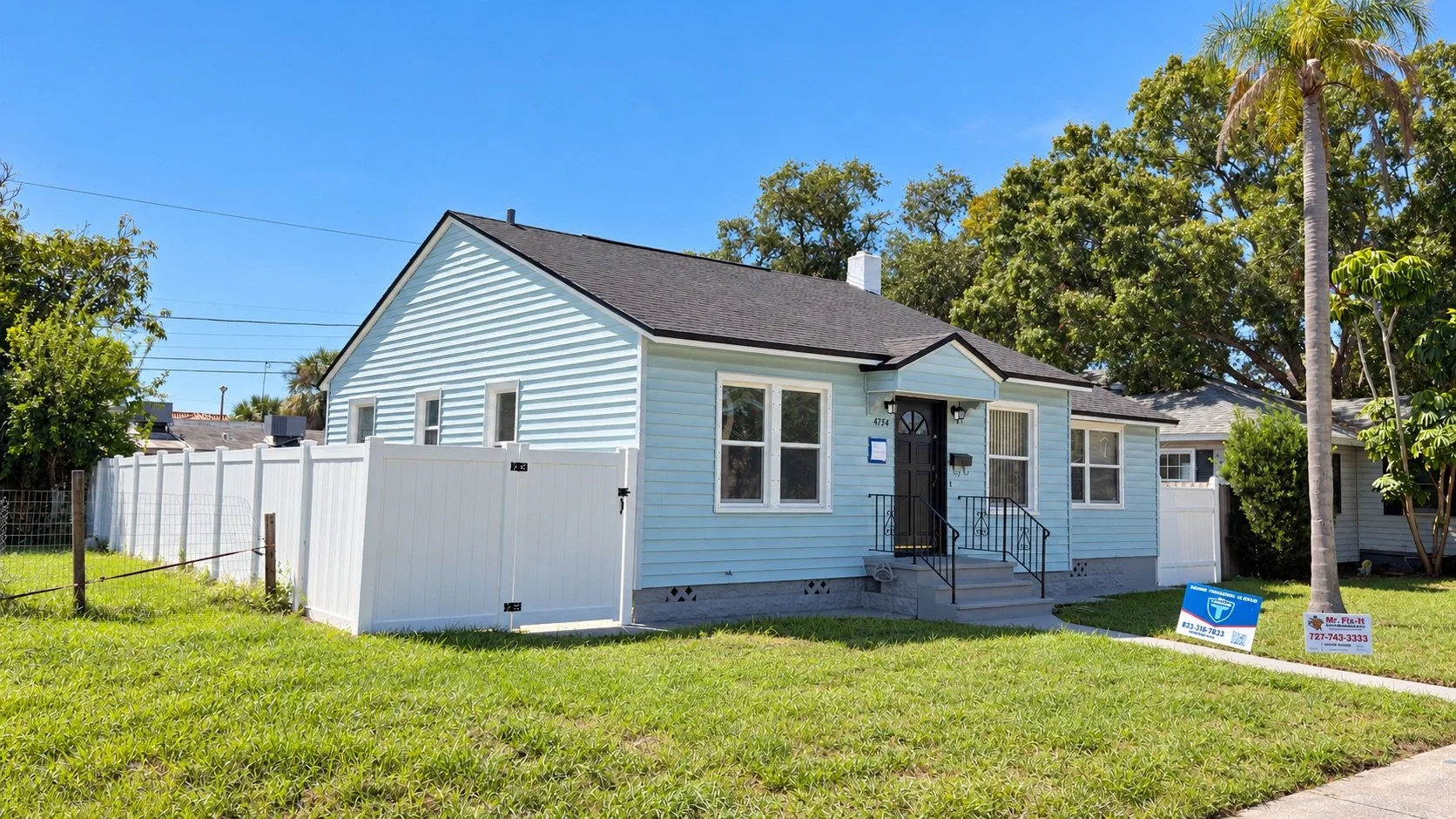
The city issued more than 54,000 permits in 2025, representing roughly $1.44 billion in construction value, up from approximately $1.39 billion in 2024. Officials noted that much of the increase was tied to repairs and rebuilding efforts following Hurricane Milton and Helene.
Employment and labor force
Employment, which measures the number of people who have jobs, increased 12.1% over the last decade, with 10.9% of that growth occurring within the last five years.
The city's labor force, which measures everyone who either has a job or is actively looking for one, increased 10.6% over the last 10 years and 5.9% over the last five years.
St. Petersburg's unemployment rate stood at 3.6% in 2025, below the national average of 4.3%.
Median household income increased 18.5% over the last five years and 58.6% over the last decade.
The city's major employers include ARK Invest, Dynasty Financial Partners, FIS Management Services, HCA Florida St. Petersburg Hospital, Jabil, Johns Hopkins All Children's Hospital, Orlando Health Bayfront Hospital, Power Design, Raymond James, and Webull.
City officials also noted continued growth in taxable property values. Citywide taxable value increased from approximately $15 billion in 2015 to more than $36 billion in 2025.
Within the South St. Petersburg Community Redevelopment Area, taxable values increased from $1.1 billion in 2020 to $2.5 billion in 2025.
Office and retail markets
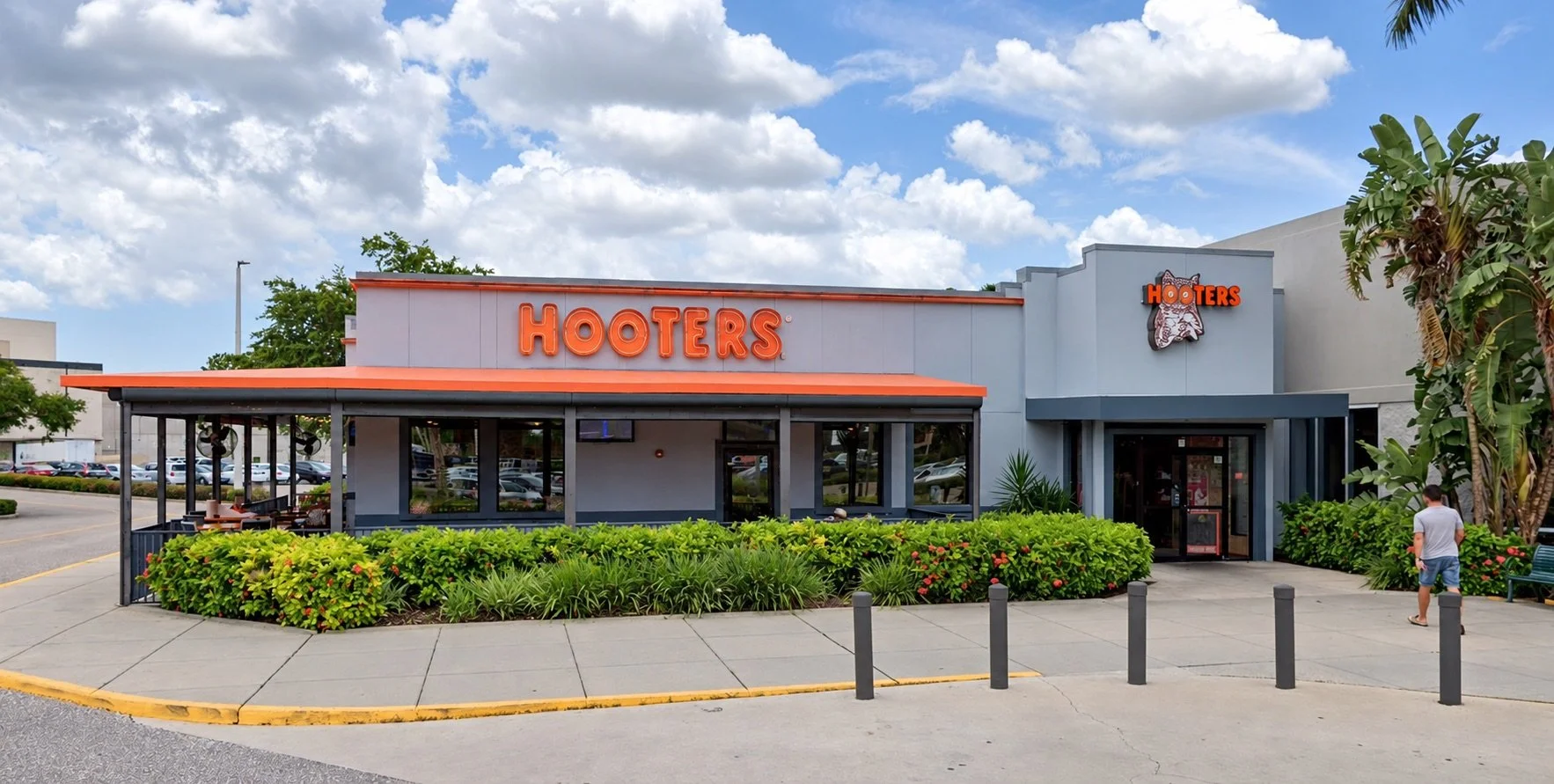
Retail vacancy increased from 4.4% in 2024 to 6% in 2025 while rental rates remained relatively stable, increasing by 28 cents per square foot.
Officials pointed to the opening of Sprouts Farmers Market in the Skyway Marina District as one of the year's major retail additions.
The citywide office vacancy rate increased from 7.7% in 2024 to 9.1% in 2025. During the same period, average rents increased by $3.20 per square foot to $31.25.
New office inventory included medical office space associated with Orlando Health Institute Square.
Downtown St. Pete continued to post some of the strongest office market numbers in the region, with vacancy remaining unchanged at 4.9%.
The Gateway office submarket saw vacancy increase from 11% to 13.8%, while asking rents remained relatively stable.
Officials also noted the arrival of Rectangle Health, a New York-based healthcare payments and technology company that recently opened a 12,500-square-foot office in the Carillon area.
Housing and development
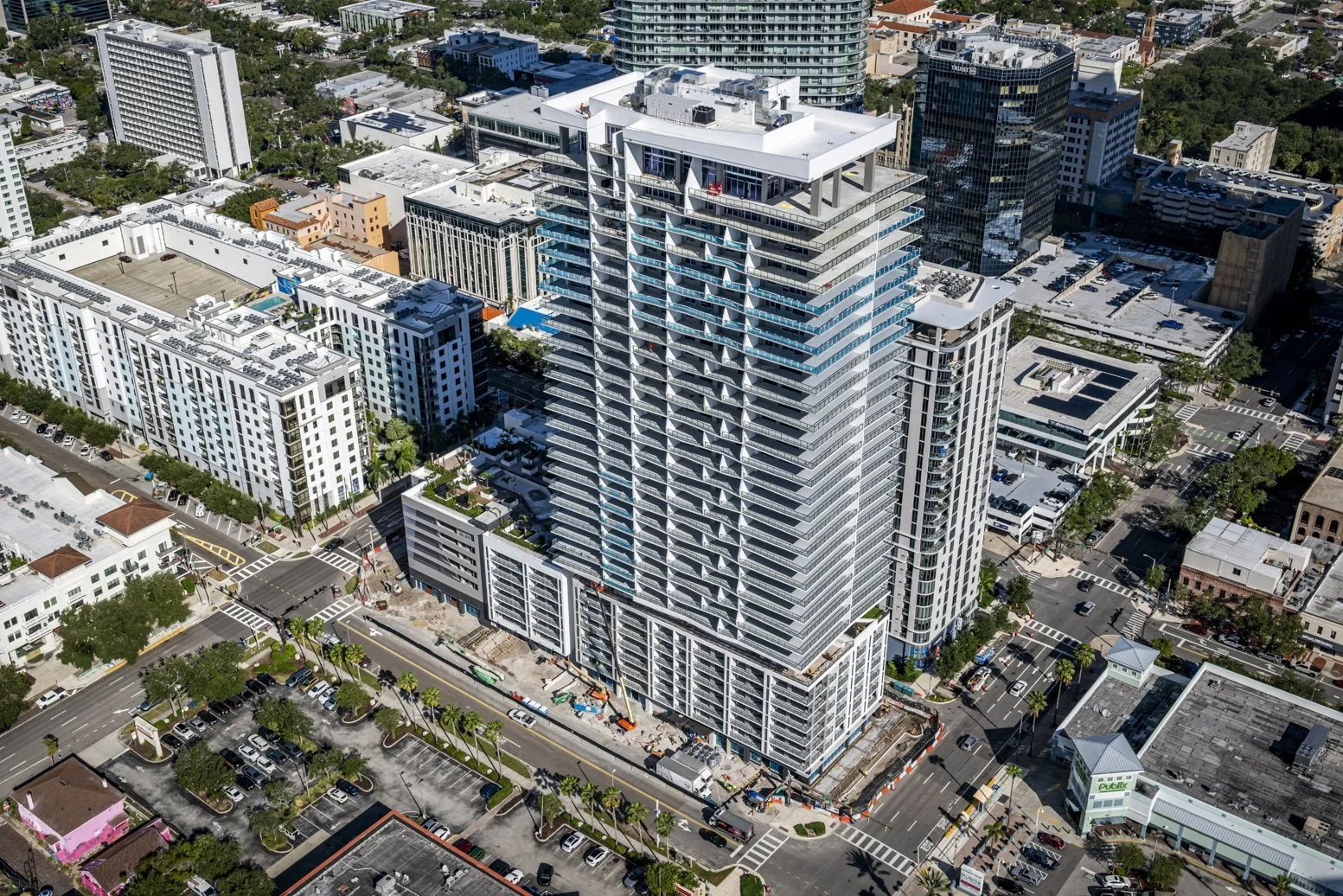
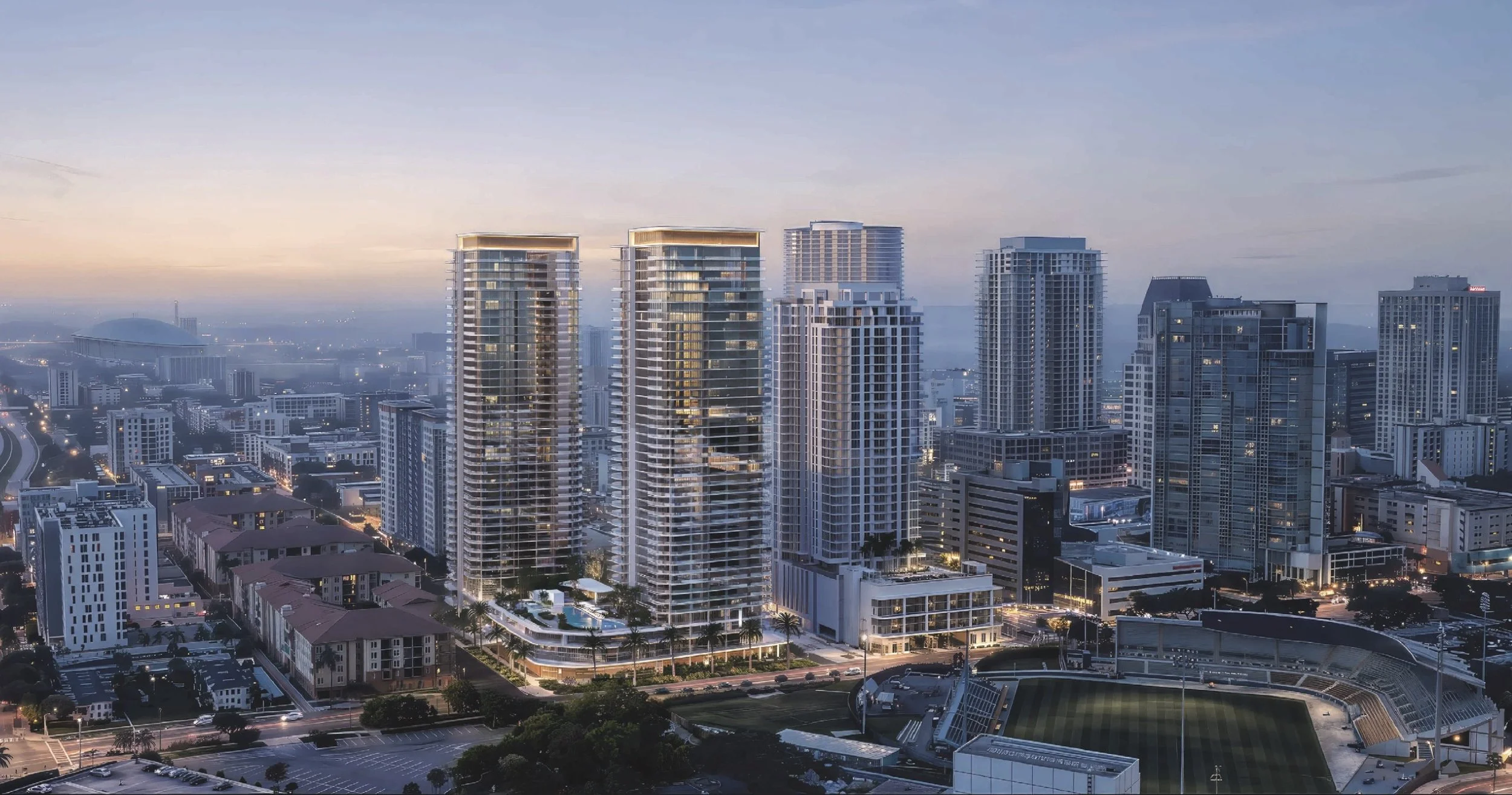
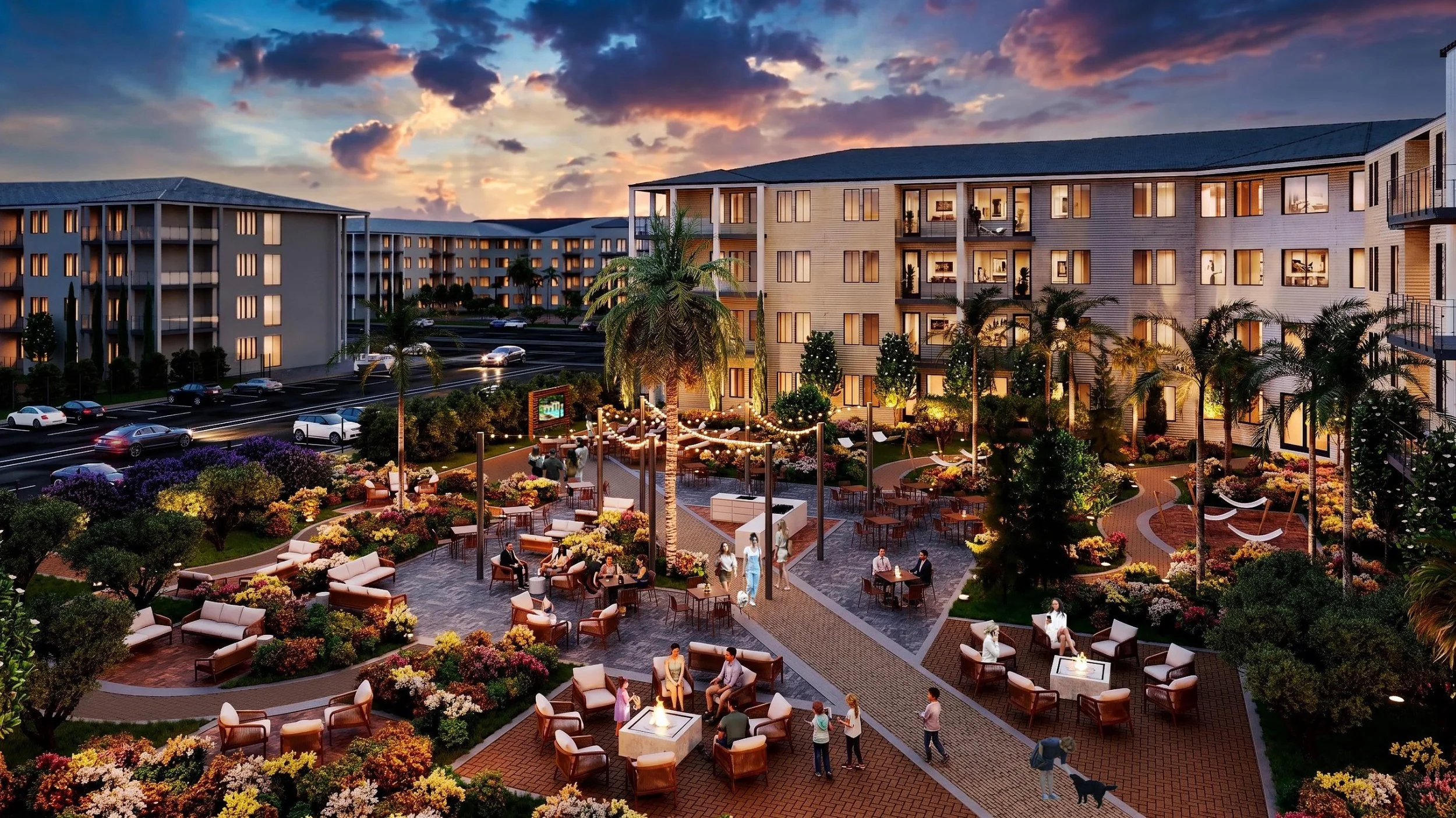
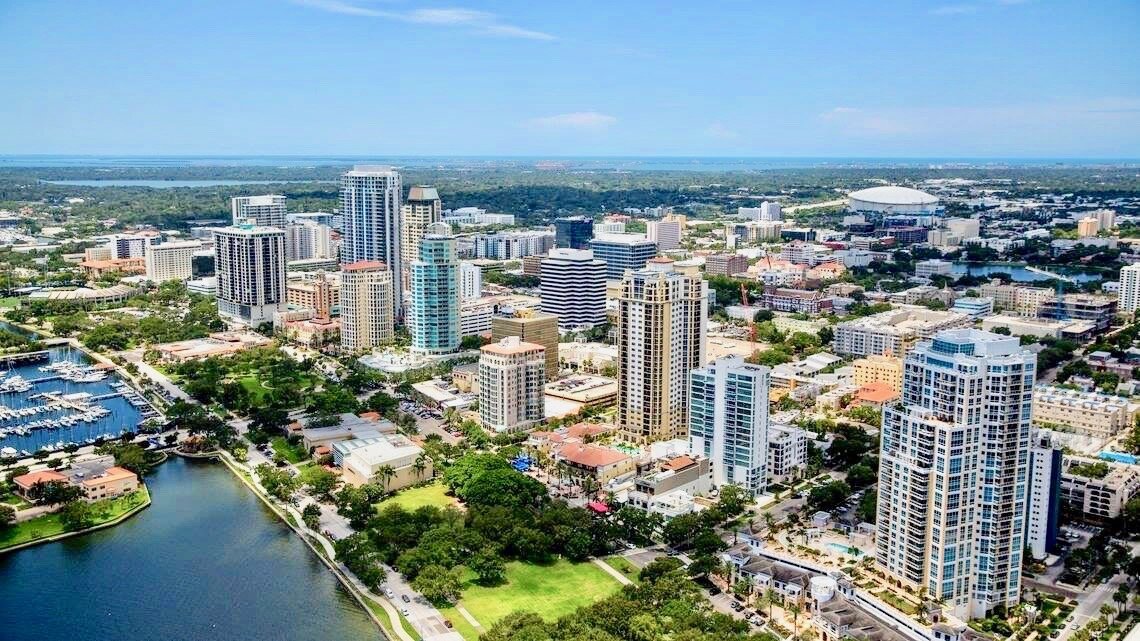
Downtown St. Pete now contains more than 11,800 residential units, with 2,391 additional units either under construction or in the development pipeline.
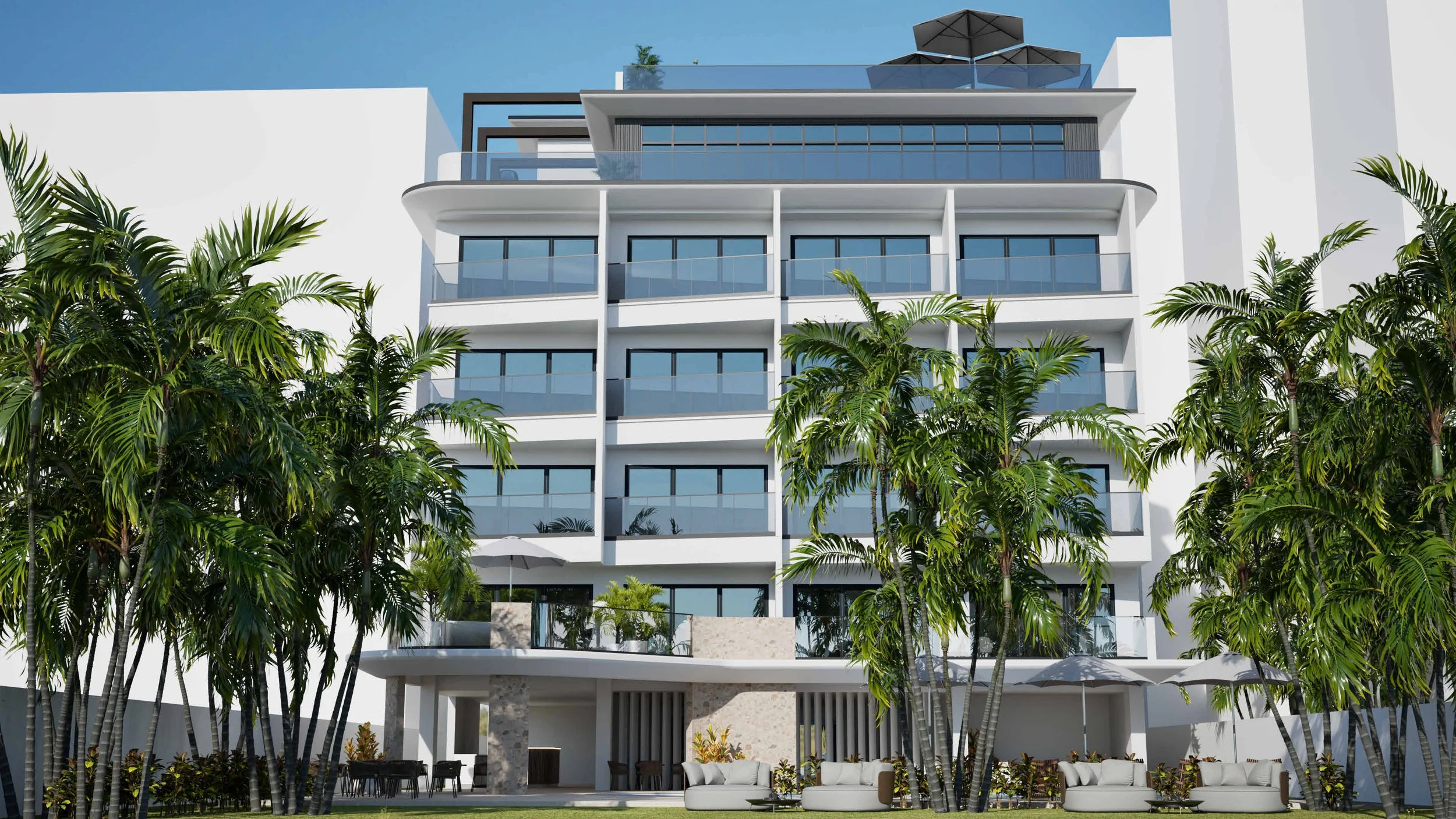
Projects in the pipeline include the Waldorf Astoria Residences and Roche Bobois St. Pete Tower.
Recently completed projects include Art House, 400 Central, and Clearview at Echelon City Center.
The city also reported that 457 affordable and workforce housing units have come online since 2022. More than 60% of those units serve households earning 80% or less of the area median income.
Recovery and resilience
Officials also discussed ongoing storm recovery and infrastructure initiatives.
The Sunrise St. Pete recovery program currently has 2,289 active residential recovery cases in progress.
Additional programs scheduled to launch this summer include homebuyer assistance, voluntary buyouts and acquisitions, nonprofit community support services and public infrastructure mitigation efforts.
The presentation also covered the city's St. Pete Agile Resilience (SPAR) initiative, a long-term infrastructure program expected to invest $2.7 billion in wastewater, water and stormwater projects over the next 24 years.
From construction activity and housing development to employment and income growth, the presentation offered a snapshot of a city that continues to evolve as it recovers from recent storms and prepares for future growth.
The full State of the Economy presentation is available on the City of St. Petersburg’s website.