Resident-only parking proposal stalls in St. Pete
/Cars lining the streets of Kenwood near the Grand central District in St. Pete | St Pete Rising
A proposed expansion of St. Petersburg's residential parking program failed to gain traction Thursday, as City Council opted not to move forward with an ordinance that would have created a new tool for neighborhoods dealing with overflow parking from nearby commercial areas.
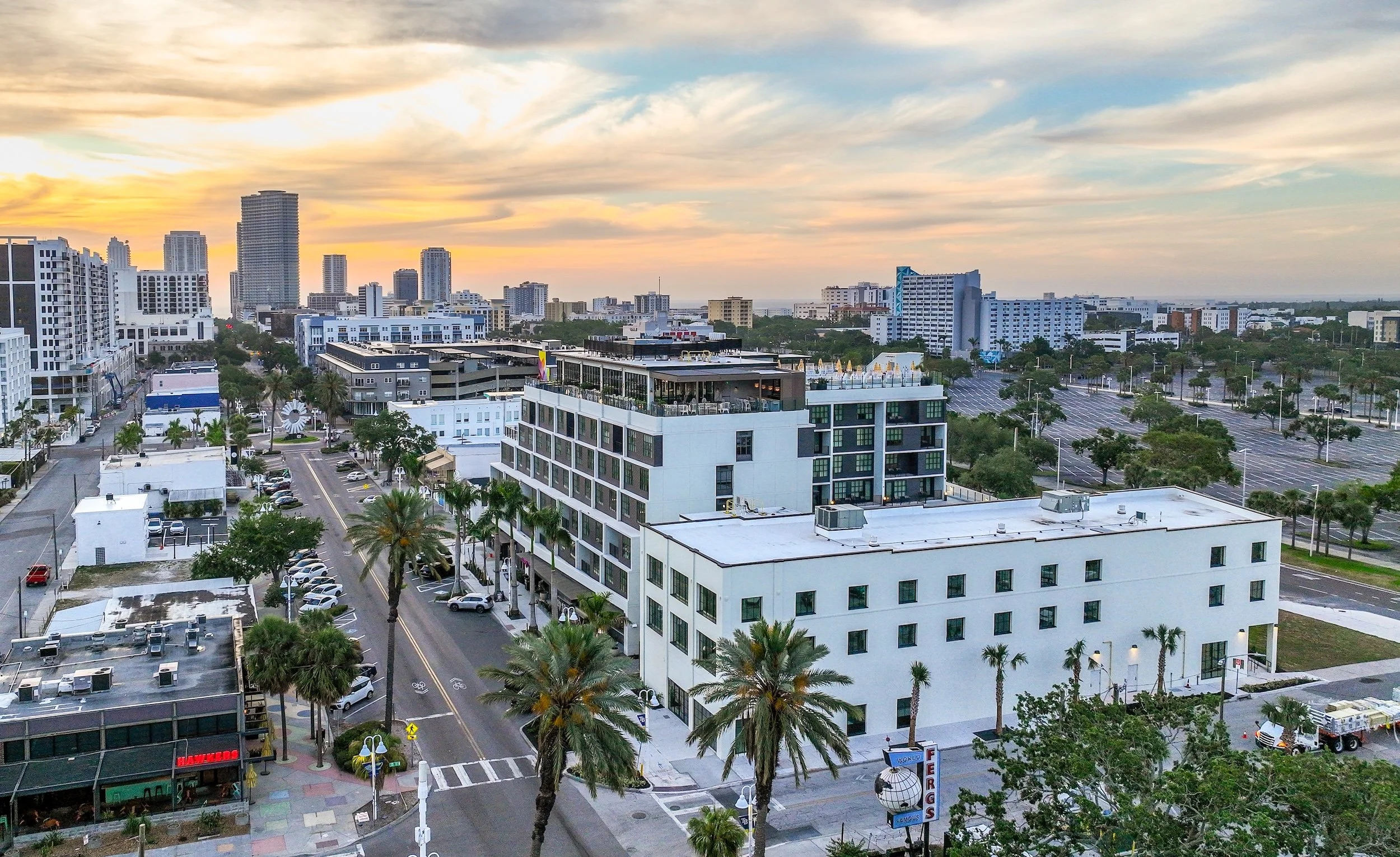
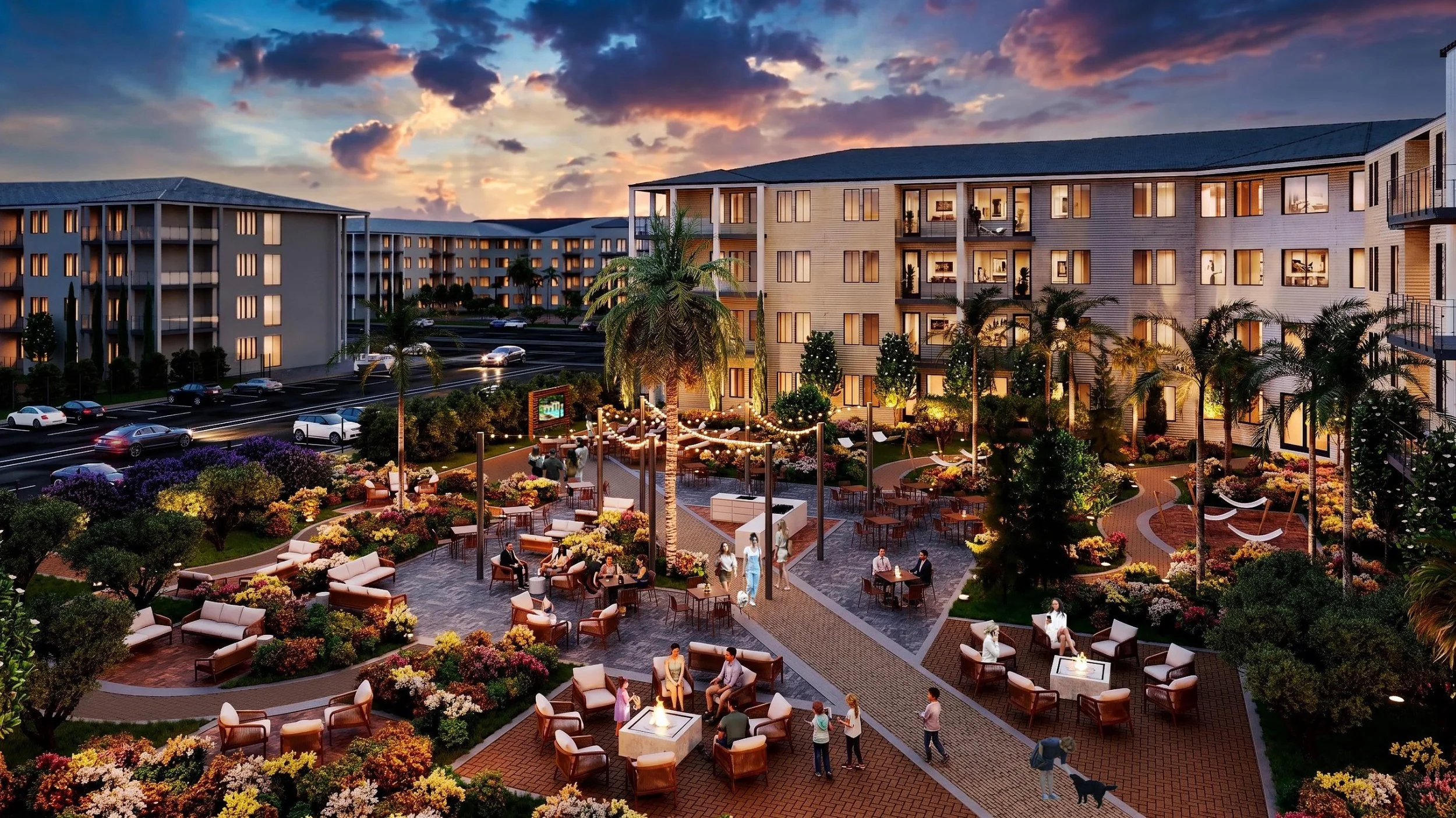
The issue gained renewed attention in recent months as City Council discussed and eventually approved the SunRunner Bus Rapid Transit Overlay, which eliminated minimum parking requirements for new development along much of the Central Avenue corridor west of 19th Street.
During those discussions, residents in neighborhoods including Historic Kenwood raised concerns about potential overflow parking from the Grand Central District.
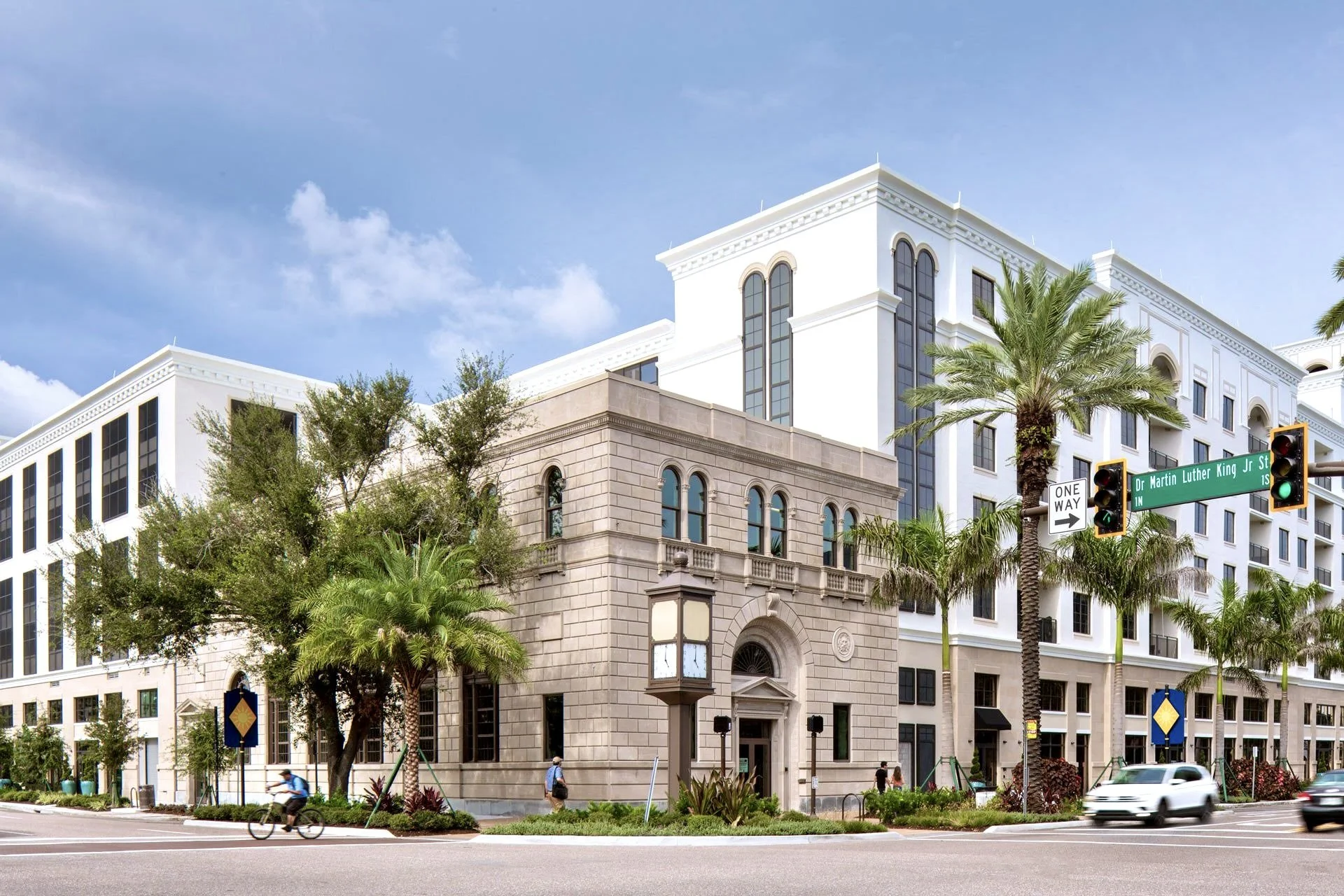
Residents along the 4th Street North and Dr. Martin Luther King Jr. Street North corridors, including Allendale Terrace, Crescent Heights, and Magnolia Heights, voiced similar concerns as commercial activity continues to expand in those areas.
Some city leaders initially pointed to residential parking permit programs as a potential solution.
According to Transportation & Parking Management Director Evan Mory, St. Petersburg's residential permit parking program dates back to 1992 and was originally created to address parking pressures in downtown-adjacent neighborhoods.
As downtown grew, the program expanded westward and eventually into Old Northeast, where permit parking was used to limit parking by employees and visitors whose destination was outside the neighborhood.
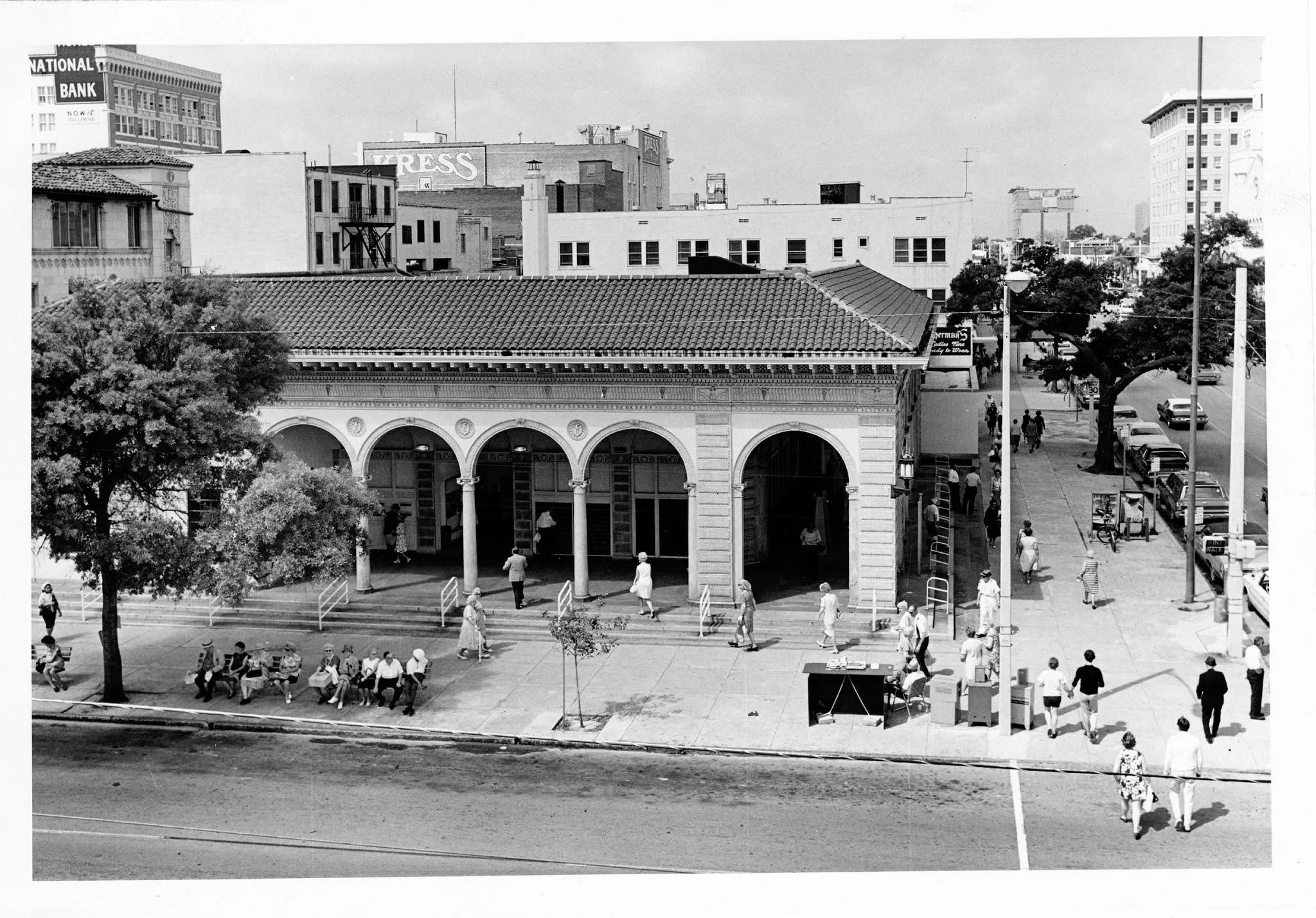
The existing residential parking program only covers downtown St. Pete | City of St Petersburg
More recently, city staff said similar parking pressures have emerged in neighborhoods throughout the city as St. Petersburg has grown beyond downtown.
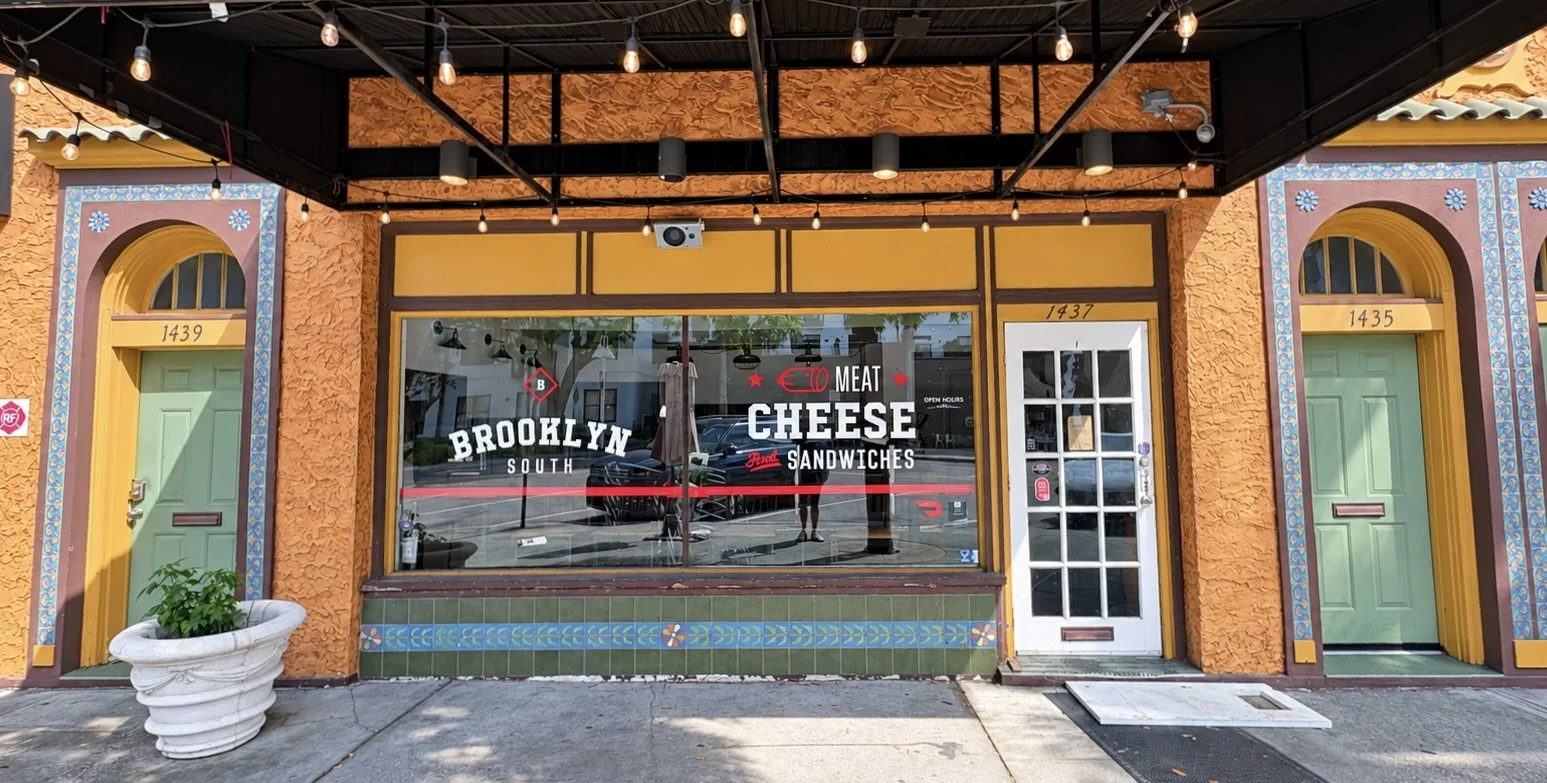
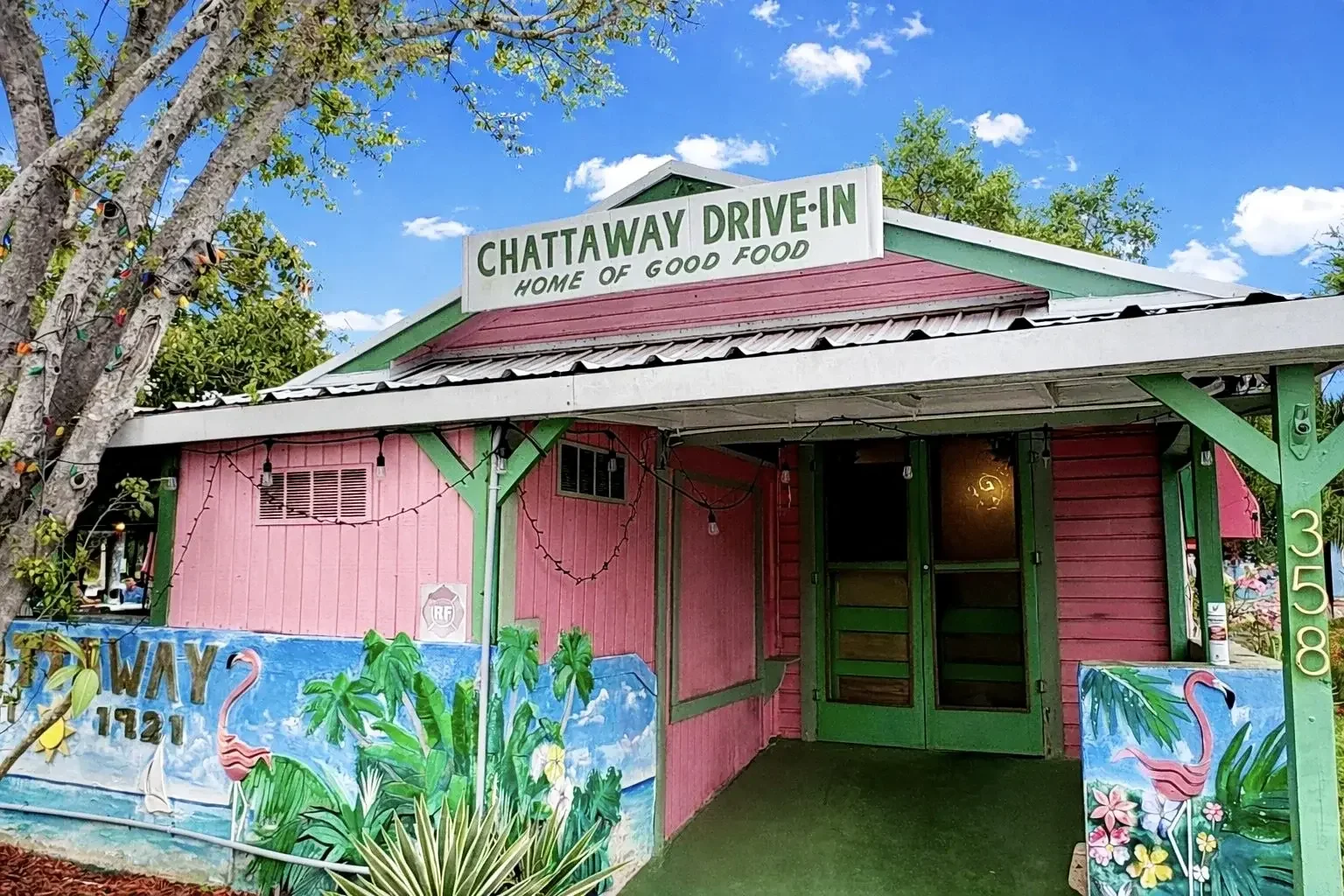
“Businesses continue to open and expand along various commercial corridors, major roadways, and in pockets along lower-volume roadways in the City, while neighborhoods continue to experience challenges with overflow customer and employee parking,” Mory wrote in a memo to the city’s Public Services and Infrastructure (PSI) Committee ahead of an April meeting.
The ordinance would have created a framework for Neighborhood Resident Only Parking Areas, giving residents in certain neighborhoods a path to petition for permit-only parking restrictions on residential streets.
Rather than automatically creating new parking zones, the proposal established a process for evaluating future requests.
Under the proposed program, neighborhoods would have needed support from at least two-thirds of households before the city would conduct a parking study.
To qualify, an area would also have needed to demonstrate that parking occupancy exceeded 75% and that at least 25% of parked vehicles belonged to people who did not live nearby.
If a neighborhood qualified, the decision to implement a Neighborhood Resident Only Parking Area would go before City Council approval for approval.
Throughout the discussion, one question remained at the center of the debate: if residents receive greater access to neighborhood parking, where do employees and customers of nearby businesses park?
In his memo, Mory acknowledged the challenge directly.
“Unfortunately, to make parking abutting residential property more available to residents, employee overflow parking into neighborhoods may need to be reduced and is a tradeoff for consideration,” he wrote.
During Thursday's public hearing, business owners argued that tradeoff could have significant negative consequences.
“I think over the last two years we've all seen dozens of small businesses close,” said Steve McGarry, owner Wildflower Ice Cream on Dr. Martin Luther King Jr. Street North. “It's just a bad time basically for a lot of businesses with rising rents, insurance, health care, all that good stuff.”
McGarry urged city leaders to consider conducting an economic impact study before pursuing similar restrictions in the future, noting that many businesses, employees, and customers depend on nearby residential streets for parking.
Representatives of the business community also praised city staff for working to address concerns raised after the ordinance's first reading.
A residential street in Crescent Heights near Trip’s Diner | St. Pete Rising
An additional provision was discussed to create a buffer zone that would have prohibited resident-only permit parking areas within one block of major commercial corridors.
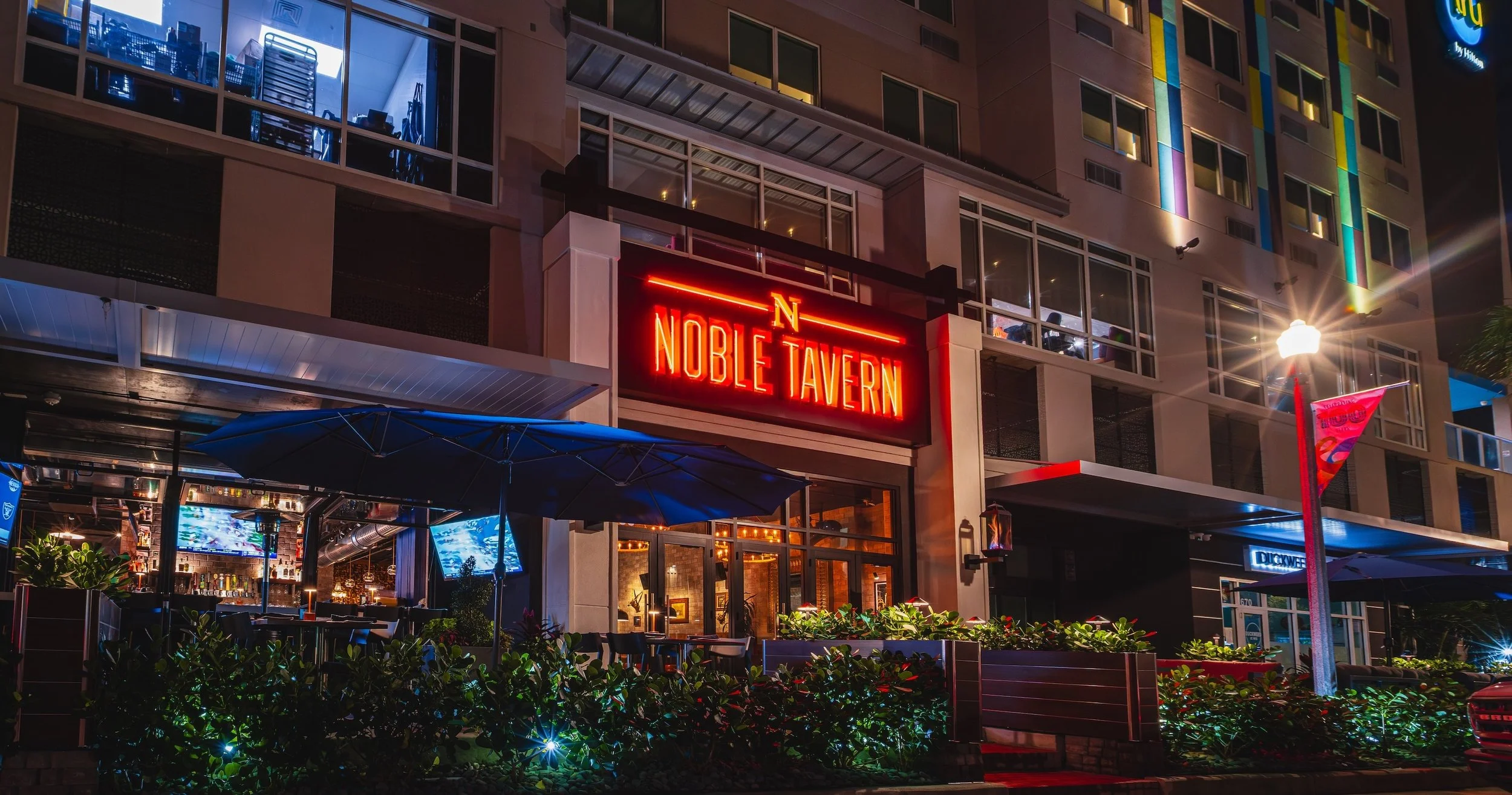
“Passage of this ordinance without the added language, I believe, would have the potential for unintended disastrous consequences,” said Phillip Ingram, owner of Trip’s Diner.
Trip’s Diner, which has been a beloved local staple for about 14 years, has an on-site parking lot behind the building that only holds about 10 to 15 cars.
“The one-block [protection] is fine. I know at my spot, people are parking blocks away,” chimed in Daniel Fekete, co-owner of The Violet Stone.
He relocated his business from Kenwood to Crescent Heights in July 2025. Fekete said the pizzeria pays other businesses to utilize their parking.
“We can’t just survive on people who live in these neighborhoods [and can walk here],” Fekete said.
Councilmember Lisset Hanewicz said the ordinance represented an attempt to provide neighborhoods with a workable solution while balancing competing interests.
“This was a good faith effort in dealing with an issue that's been brought to me in various forms…to have a solution without people being here with pitchforks,” Hanewicz said during council discussion.
The discussion also highlighted another challenge.
City staff previously noted that St. Petersburg currently lacks the personnel and systems necessary to enforce resident-only parking zones outside downtown and adjacent neighborhoods.
Expanding enforcement would likely require additional staffing, vehicles, and administrative support.
With no vote taken Thursday, the ordinance has effectively reached the end of its current path forward.
While the issue could return to committee at a future date, there appeared to be little support for continuing the discussion.