Seven visions emerge for three-acre Commerce Park site in south St. Pete
/St. Pete-based HP Capital Group has proposed a large mixed-use development centered on job creation and economic activity | HP Capital Group
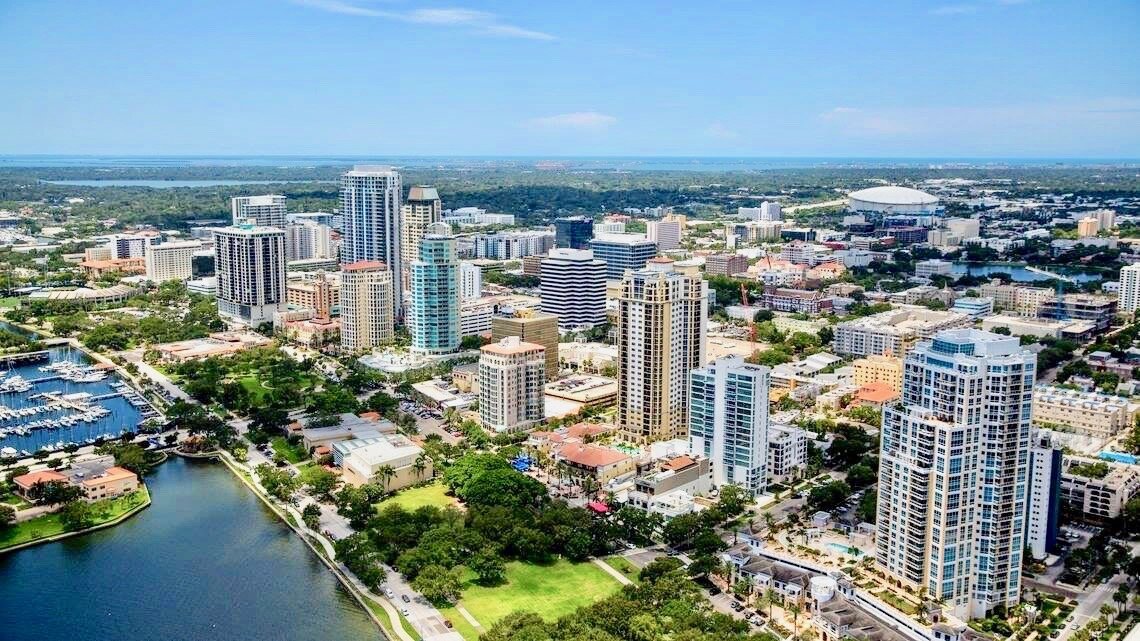
The City of St. Pete is one step closer to deciding the future of a three-acre property at Commerce Park in south St. Pete.
In April, the City issued a request for proposals (RFP) for a collection of 19 city-owned parcels along 22nd Street South in the Deuces corridor.
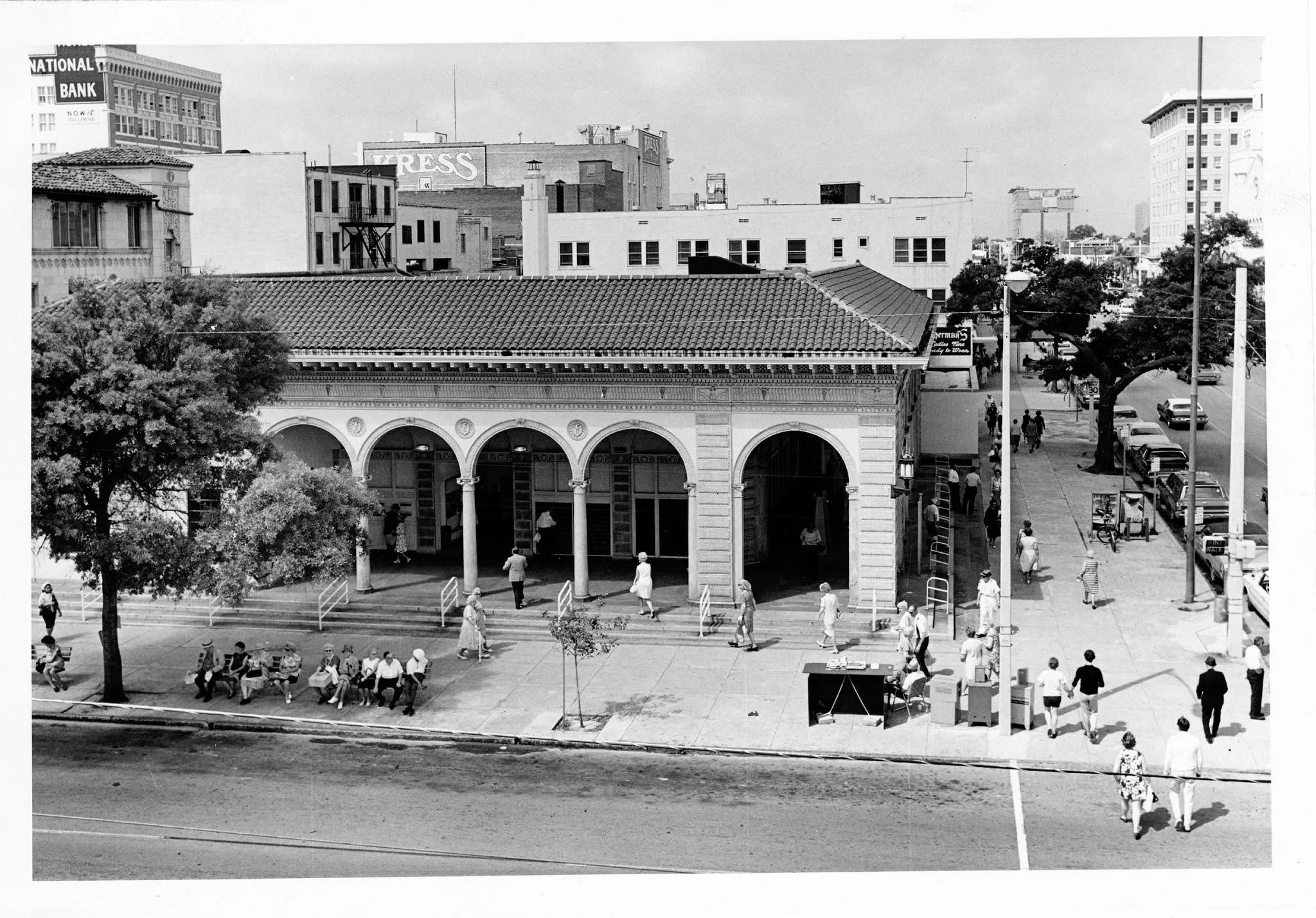
The site, which sits directly across from the Manhattan Casino, is within a historically significant area that once served as a hub for Black-owned businesses, restaurants, and entertainment venues before decades of disinvestment and the construction of I-275 reshaped the corridor.
The property has been the subject of multiple redevelopment plans over the past two decades, none of which have fully panned out.
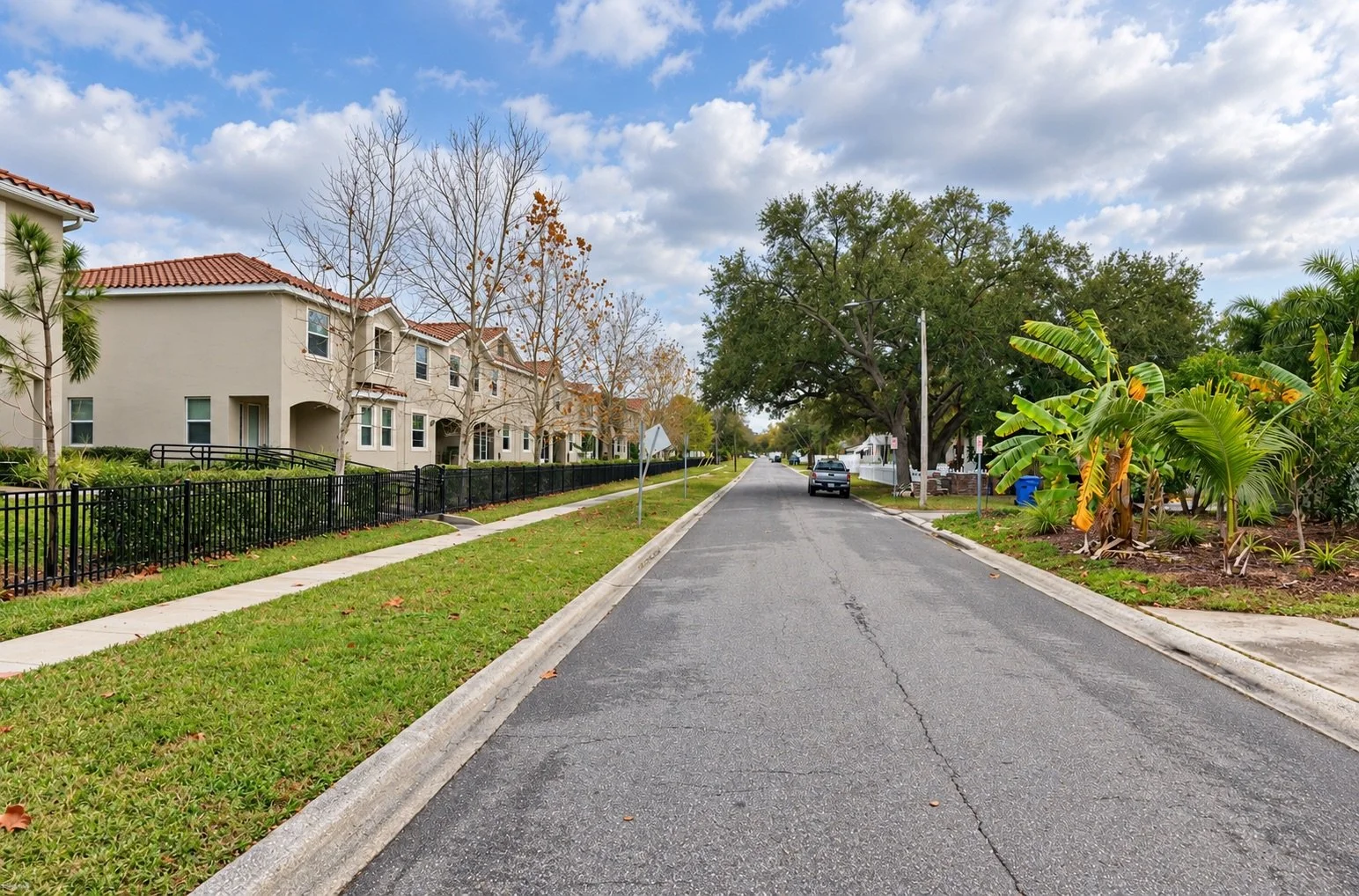
The Commerce Park site fronts 22nd Street South on the Deuces corridor in south St. Pete | Google Maps
The city began assembling the land in 2007 under Mayor Rick Baker with plans for a manufacturing and industrial employment center, but those plans stalled during the Great Recession.
A second push under Mayor Rick Kriseman brought plans for a manufacturing facility and a Euro Cycles dealership, and construction even began in 2018.
But the project ultimately fell apart, forcing the city to unwind parts of the deal.
The site later became part of the Deuces Rising initiative, with a greater emphasis on housing, retail, and neighborhood investment.
A proposed new home for the Dr. Carter G. Woodson African American Museum also never came together.
Now, the city is taking a different approach, seeking a flexible mixed-use development instead of a single anchor project.
The RFP called for a mixed-use development with ground-floor commercial space, new housing, and a design that would activate 22nd Street South while reflecting the area’s cultural history.
The three-acre Commerce Park property sits just north of I-275 on the Deuces Corridor in St. pete | Dallas 1 Construction and Development
Proposals were also encouraged to include partnerships with small, minority-owned, and women-owned businesses.
In total, the City received seven proposals, each offering a different approach to redeveloping the site.
Several proposals focus on affordable housing, ranging from deeply income-restricted units to mixed-income developments.
Others prioritize larger, market-rate residential projects with expanded retail and structured parking.
One centers on a hotel and event-driven concept, while another proposes a job-focused development anchored by a large innovation and workforce hub.
City officials have not yet selected a developer. The proposals will be reviewed as part of a formal evaluation process before a recommendation is made.
Below is a detailed look at what each team is proposing.
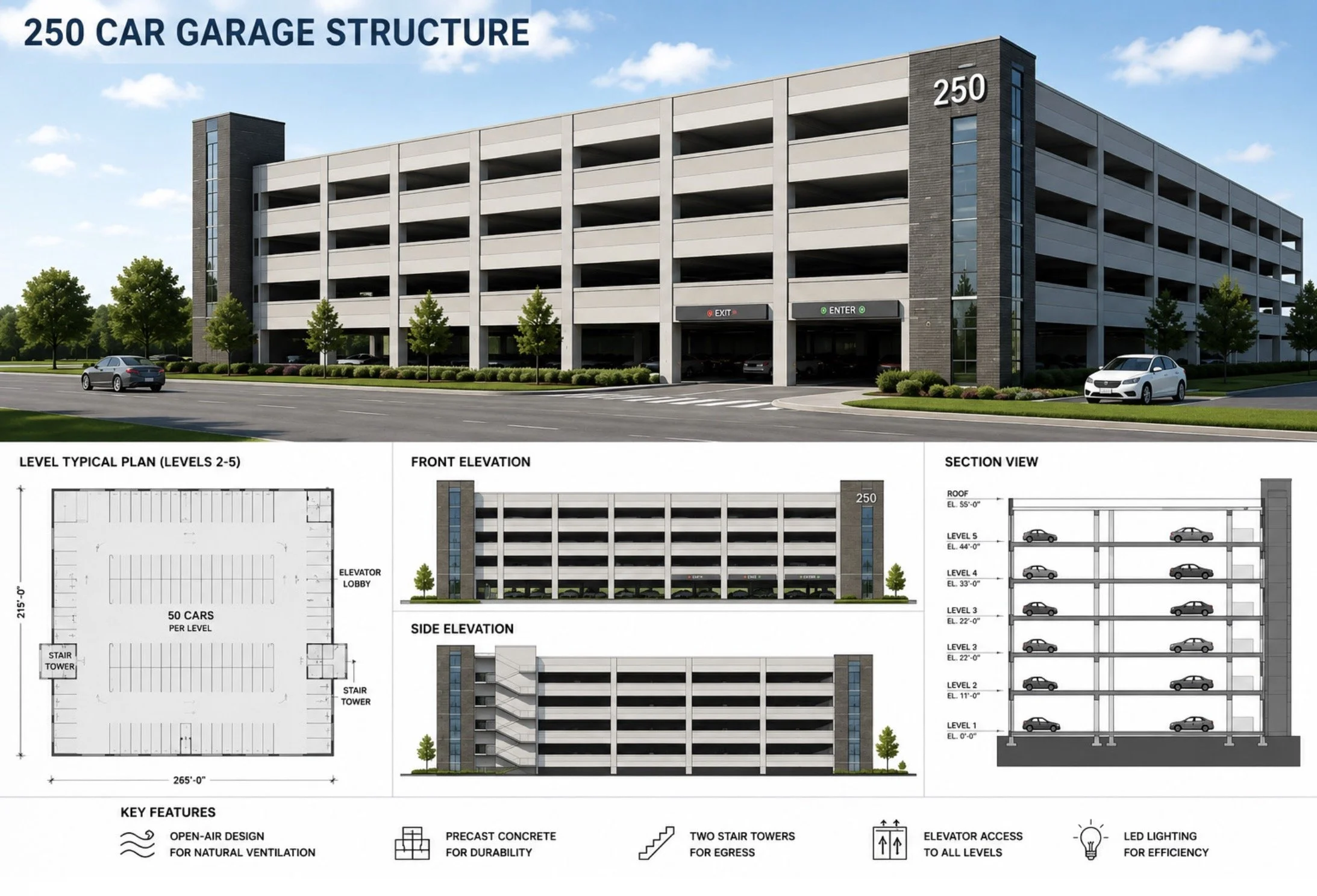
Zarius + White Keys Real Estate + Homage Hospitality
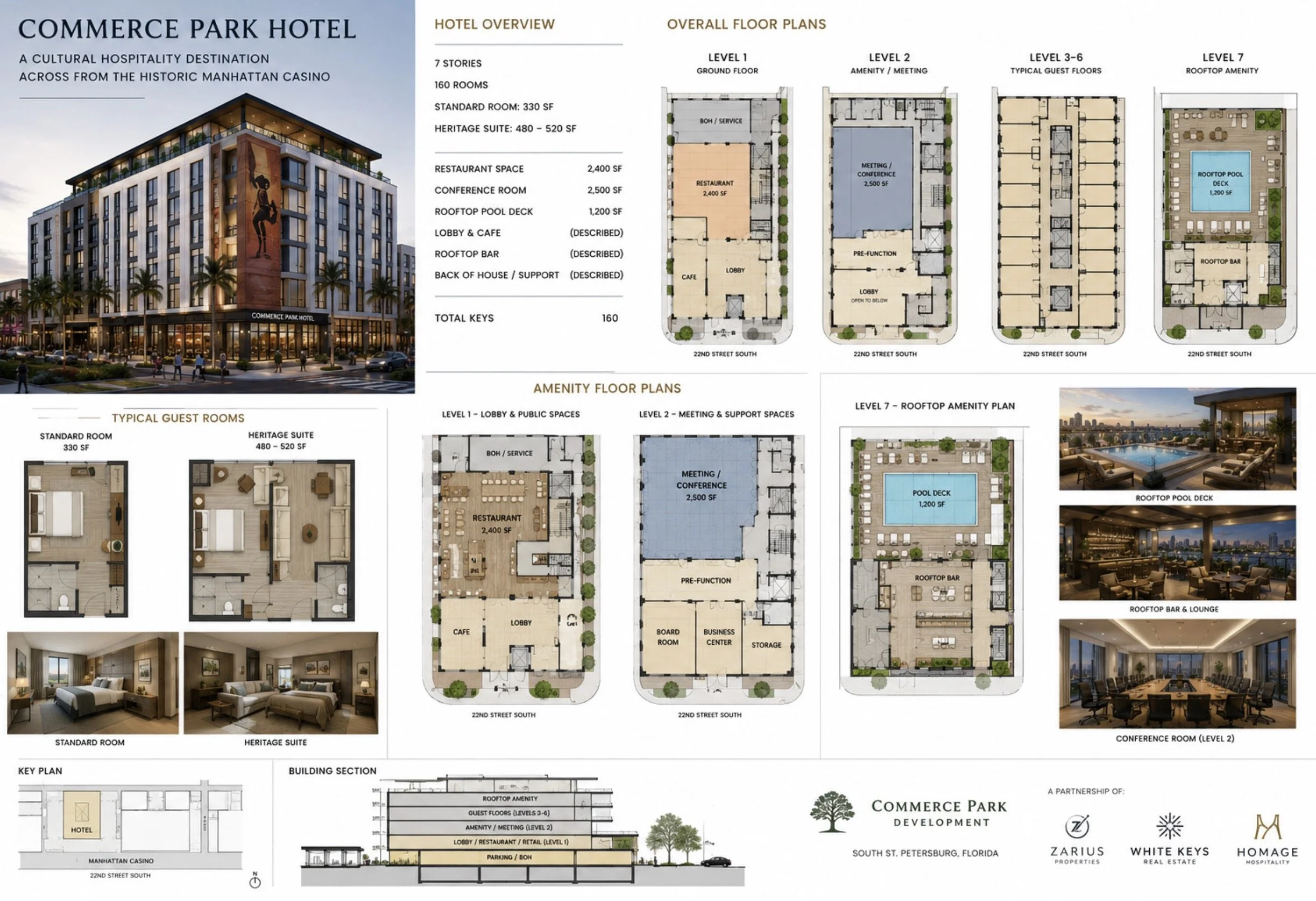
A joint venture between UK-based real estate development and investment group Zarius Properties, Tampa Bay-based White Keys Real Estate Partners, and Oakland, CA-based Homage Hospitality proposes a hospitality-driven mixed-use development anchored by a boutique hotel.
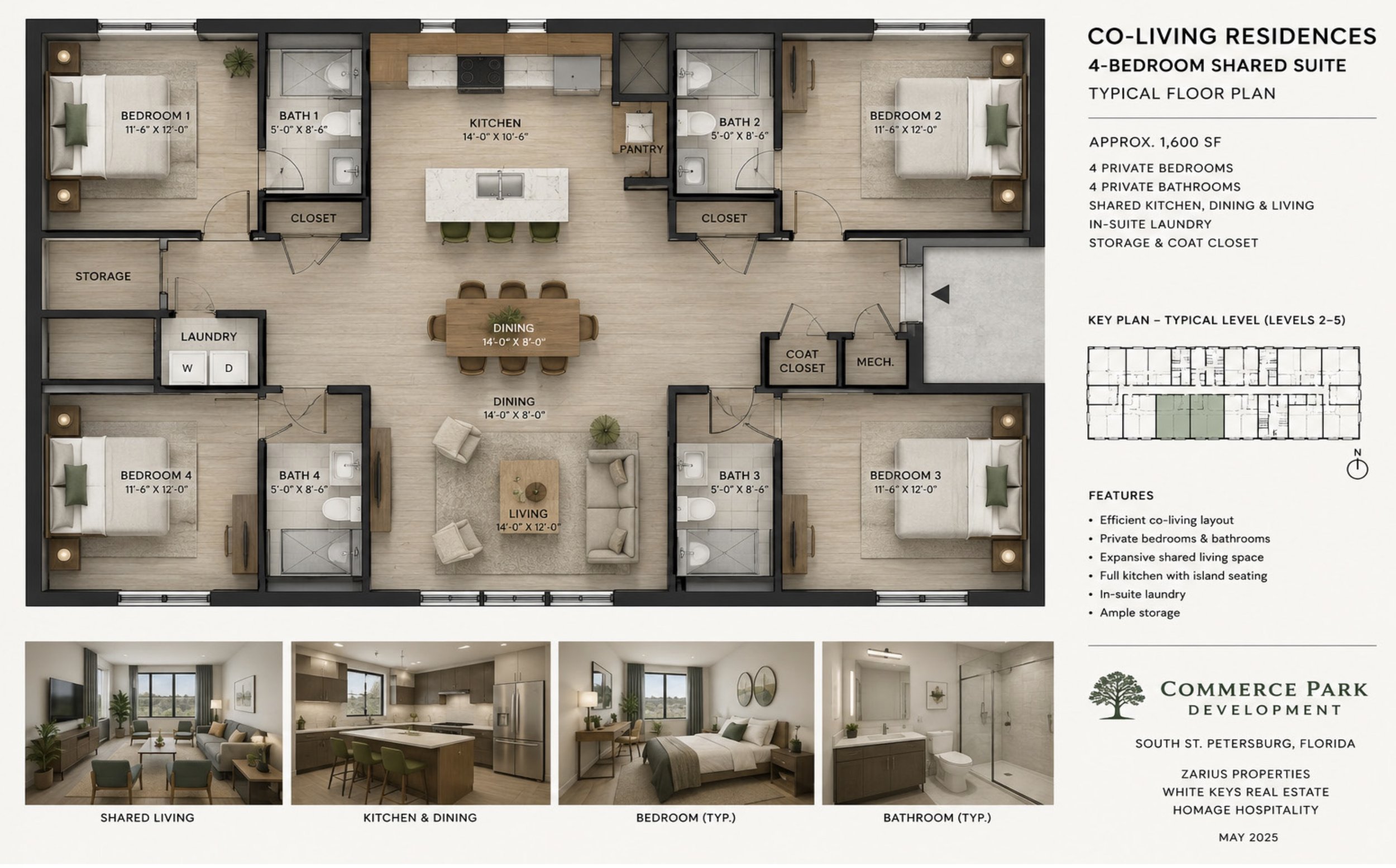
The plan includes a seven-story, 160-room hotel, which serves as the primary driver of the project, along with approximately 45 co-living residential units totaling 92 beds.
These co-living units are designed with shared kitchens and living areas paired with private sleeping spaces, targeting workforce residents.
The proposal also includes roughly 8,000 square feet of ground-floor retail space, intended for small businesses and neighborhood-serving uses.
The development is positioned as an event and tourism-oriented concept, with the hotel expected to support conferences, weddings, and cultural programming tied to activity in the Deuces corridor.
The proposal outlines a total development cost ranging from approximately $65 million to $85 million, with the hotel component alone estimated at more than $50 million.
Rather than purchasing the property, the development team is proposing a long-term ground lease with the City. The proposal includes a letter of intent to negotiate lease terms following selection but does not specify a purchase price or annual lease payments.
A significant component of the plan is a request for the City to fund and construct a 250-space structured parking garage, which the development team identifies as necessary to support both the hotel and surrounding uses.
The proposed timeline includes an initial predevelopment period focused on design, entitlements, and financing, followed by an estimated 30 to 36 months of construction.
The team projects overall completion and delivery around 2029, depending on financing and coordination of the parking structure.
Woda Cooper Companies + CDC of Tampa + Pinellas County Urban League
Another proposal was submitted by Ohio-based affordable housing firm Woda Cooper Companies, CDC of Tampa, and the Pinellas County Urban League.
Woda Cooper Companies will serve as the sponsor and developer with extensive national experience in affordable housing finance, mixed-income development, and low-income housing tax credit (LIHTC) execution.
CDC of Tampa and the Urban League of Pinellas County will provide community engagement, small business development, workforce development, and community and supportive services.
The plan includes approximately 160 residential units in a mix of one-, two-, and three-bedroom apartments.
The affordability structure spans multiple income levels, including units at 30%, 50%, 60%, and up to 80% of area median income (AMI).
A portion of the units would be supported by project-based vouchers through the St. Petersburg Housing Authority, providing deeper affordability and long-term income stability for the property.
The plan also includes approximately 5,000 square feet of ground-floor commercial space, intended for small businesses and community-serving uses.
In addition to the physical development, the plan incorporates a range of resident services, including workforce development programs, financial literacy training, and supportive services coordinated through local partners.
The total development cost is estimated at approximately $85 million.
The financing structure relies on 4% Low-Income Housing Tax Credits, SAIL funding, and other public and private sources.
The proposal also notes a significant deferral of developer fees to help close financing gaps.
The team is offering $1 million to purchase the property from the City. The proposal calls for a fee simple acquisition as part of the overall financing structure.
The proposed timeline includes a predevelopment and application phase in 2026, followed by construction beginning in 2027.
The development team anticipates a construction period of approximately 12 months, with completion and initial occupancy projected for mid 2028.
SkyView Companies
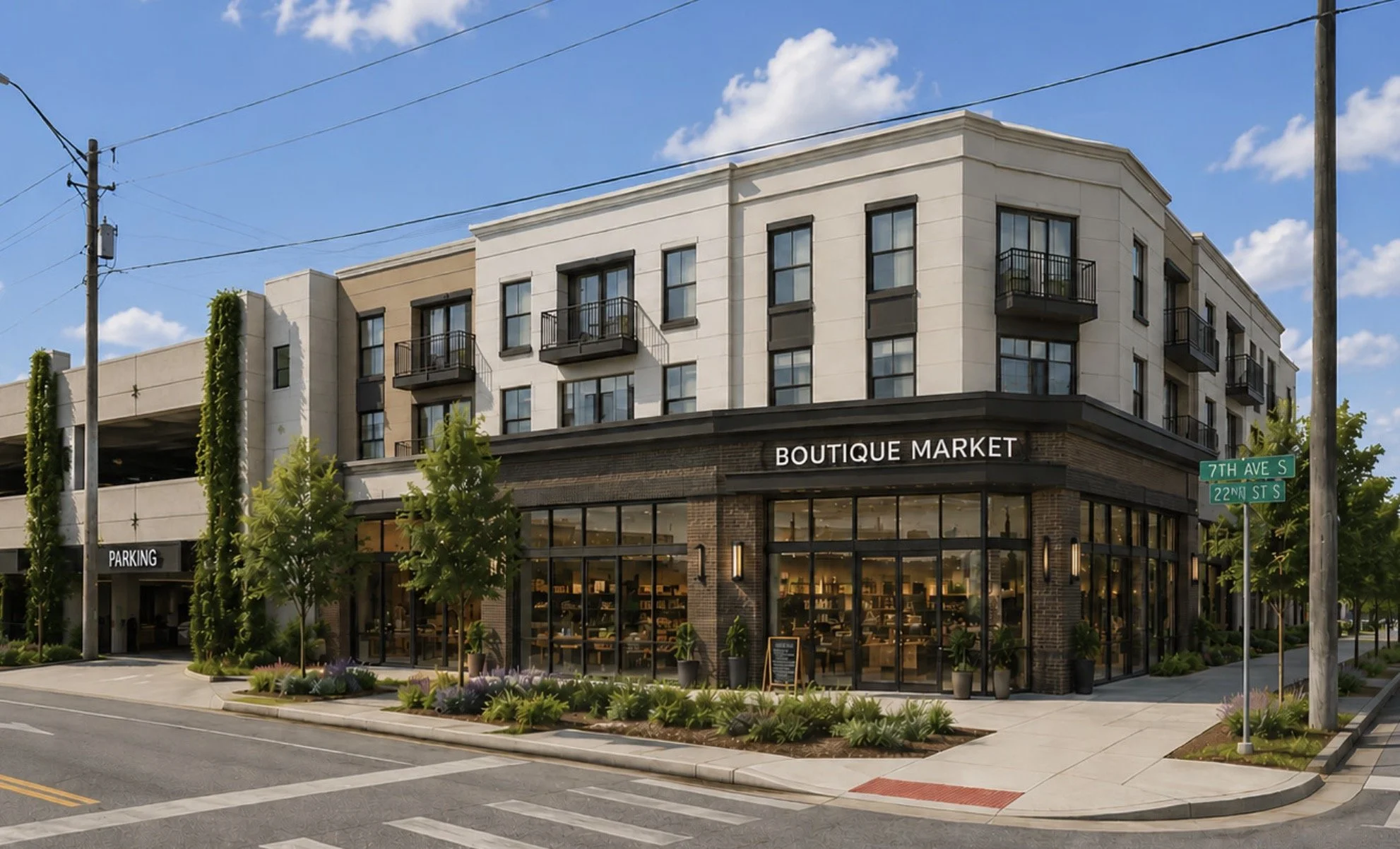
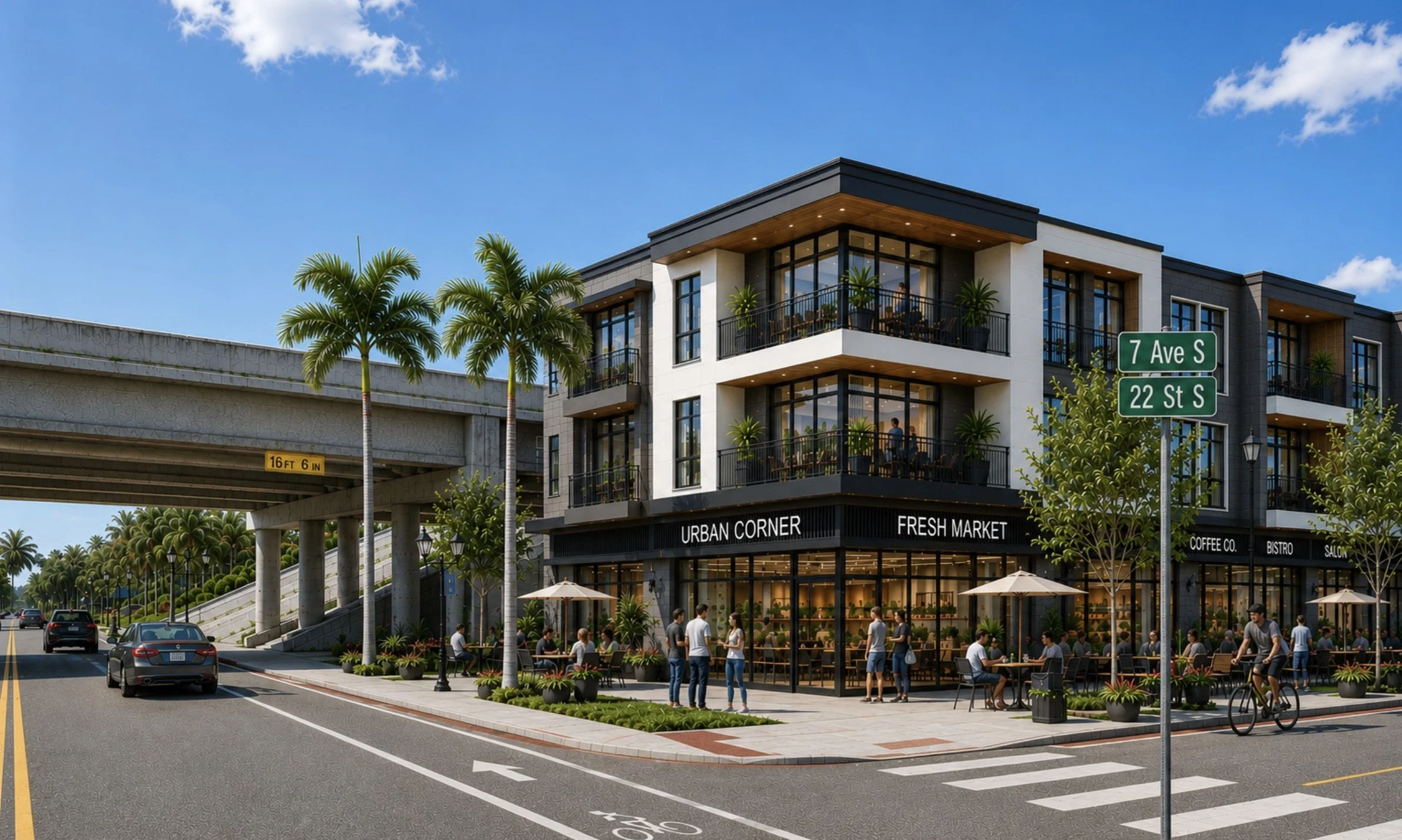
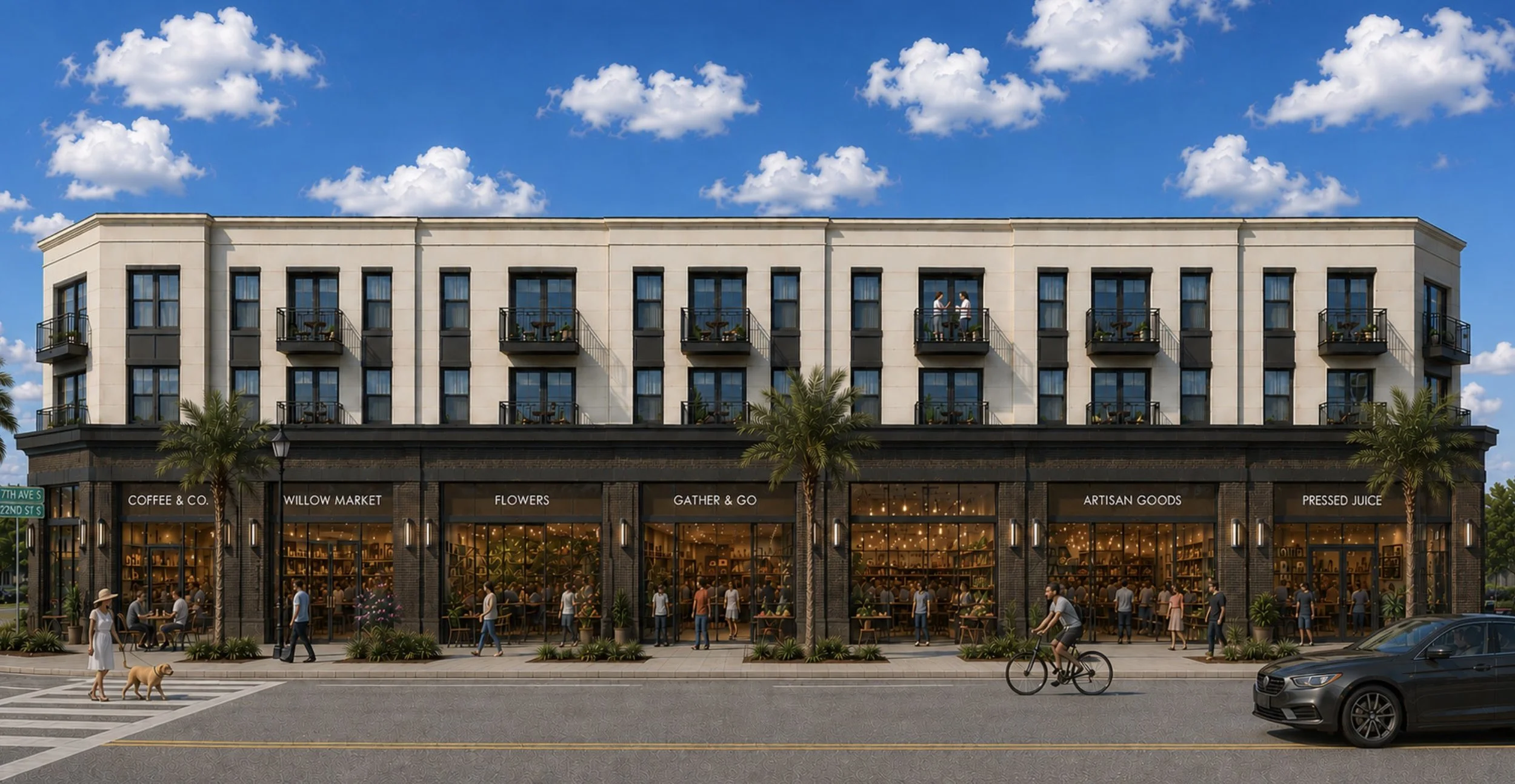
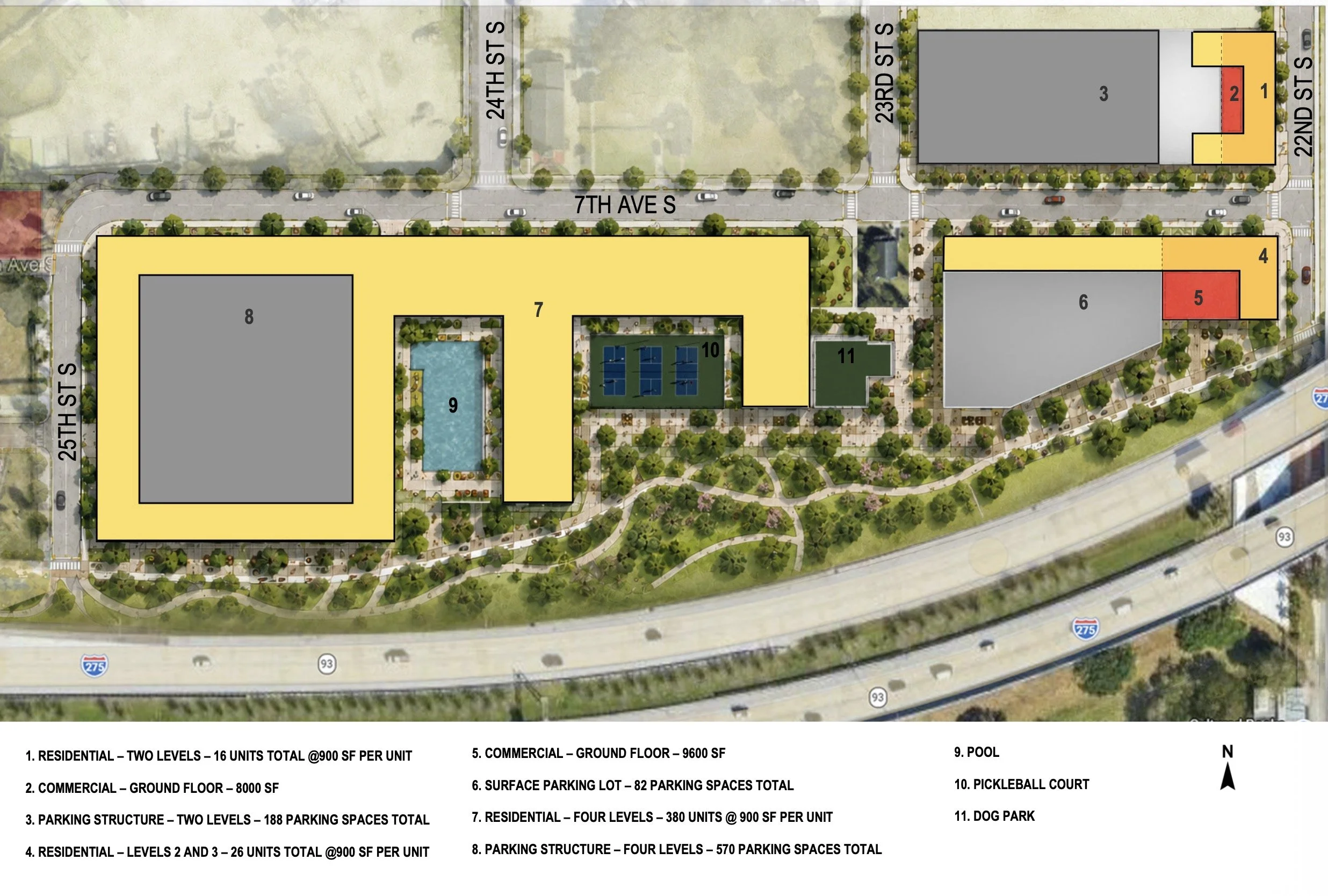
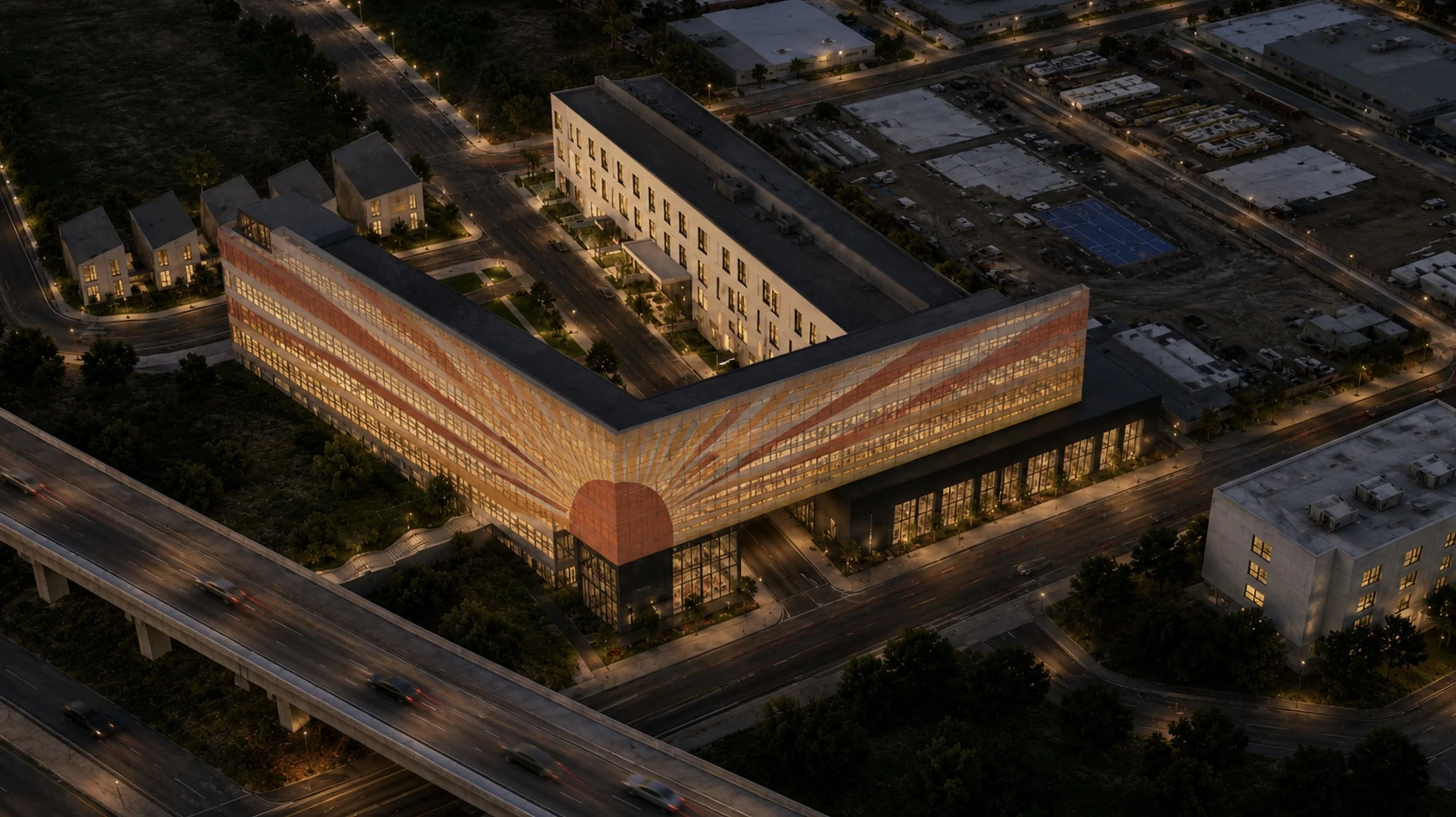
Tampa-based SkyView Companies submitted a plan that calls for a total of 422 residential units, including approximately 253 market-rate units and 169 units targeted at workforce households.
The development also includes approximately 17,600 square feet of retail space, designed to activate the street with restaurants, cafés, and neighborhood-serving businesses.
The project incorporates a substantial parking component, with more than 800 parking spaces, including structured parking integrated into the development.
Amenities outlined in the proposal include a pool, fitness areas, and open space features.
The total project cost is estimated at approximately $142 million, with financing structured as roughly 60% debt and 40% equity.
The proposal does not rely on Low-Income Housing Tax Credits or voucher programs, instead positioning itself as a market-driven development.
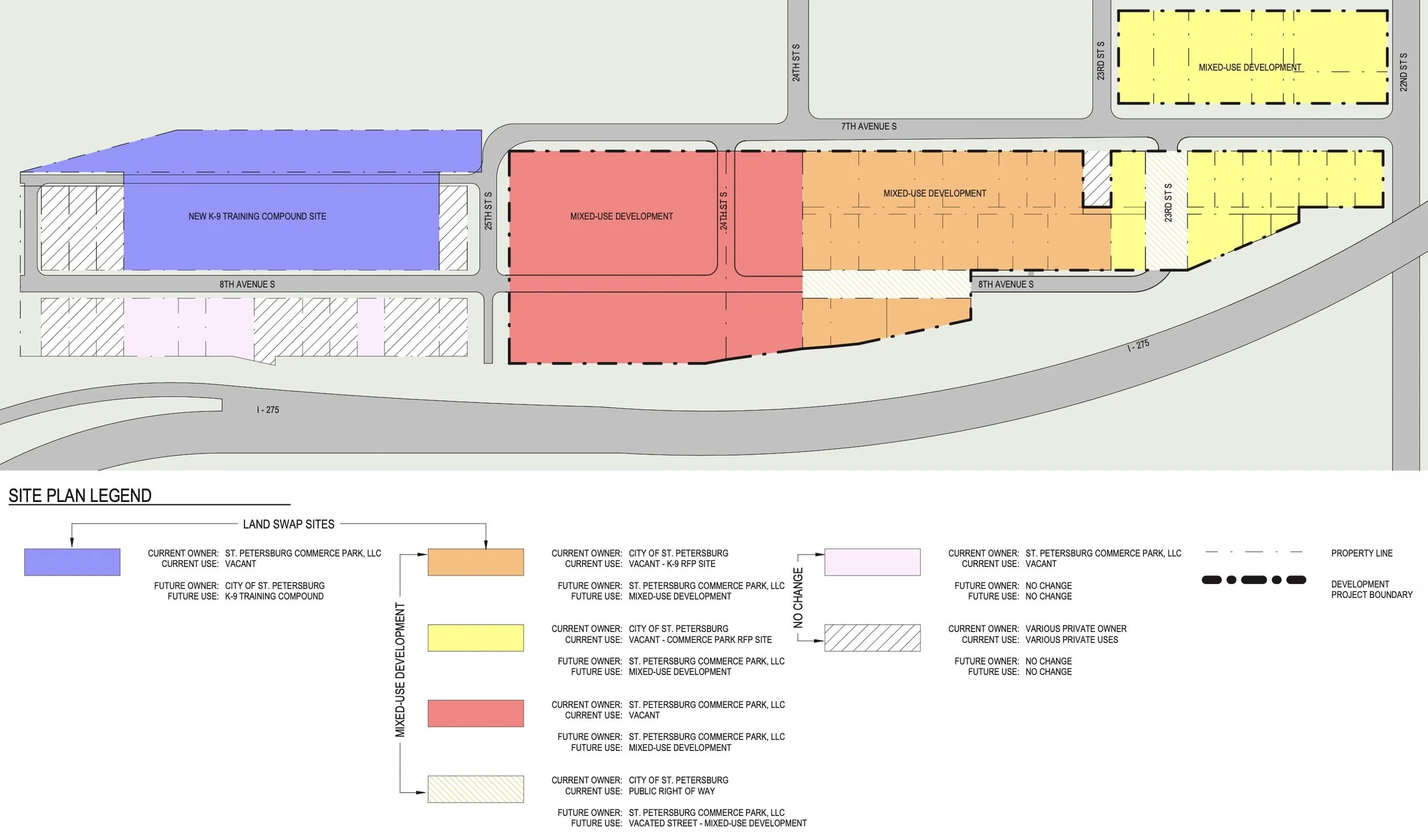
SkyView is offering $1 million in cash to purchase the property. The offer includes a $100,000 refundable good-faith deposit, a 60-day due diligence period, and is contingent upon a proposed land swap and road vacations outlined elsewhere in the proposal.
The proposal also proposes a land swap arrangement with the City, tied to the relocation of a planned police K-9 training facility.
The proposed timeline includes securing approvals and finalizing the land swap in 2026, with construction beginning in 2027.
The development team anticipates a construction duration of approximately 24 months, with full completion projected in 2029.
Magellan Housing
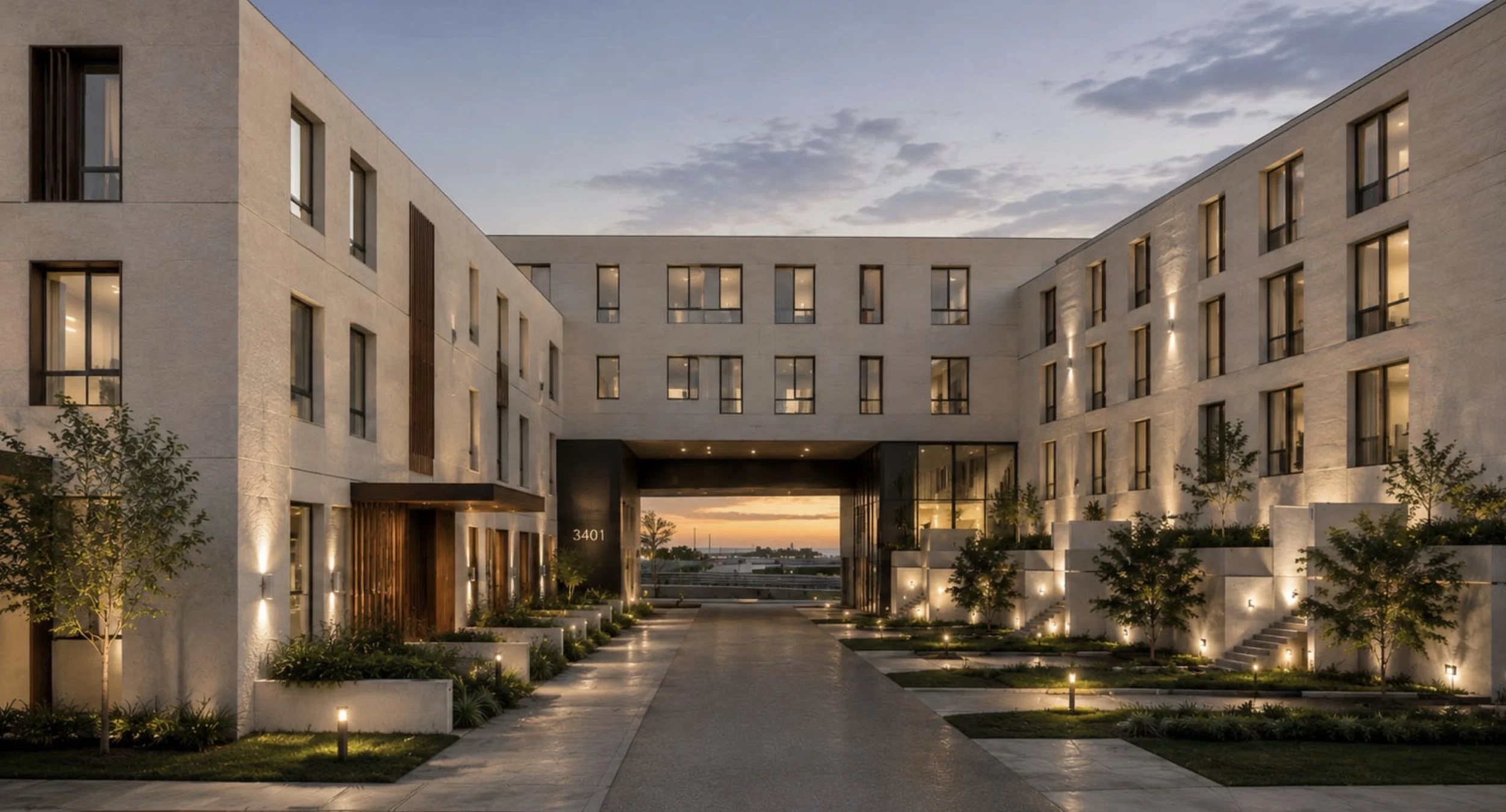
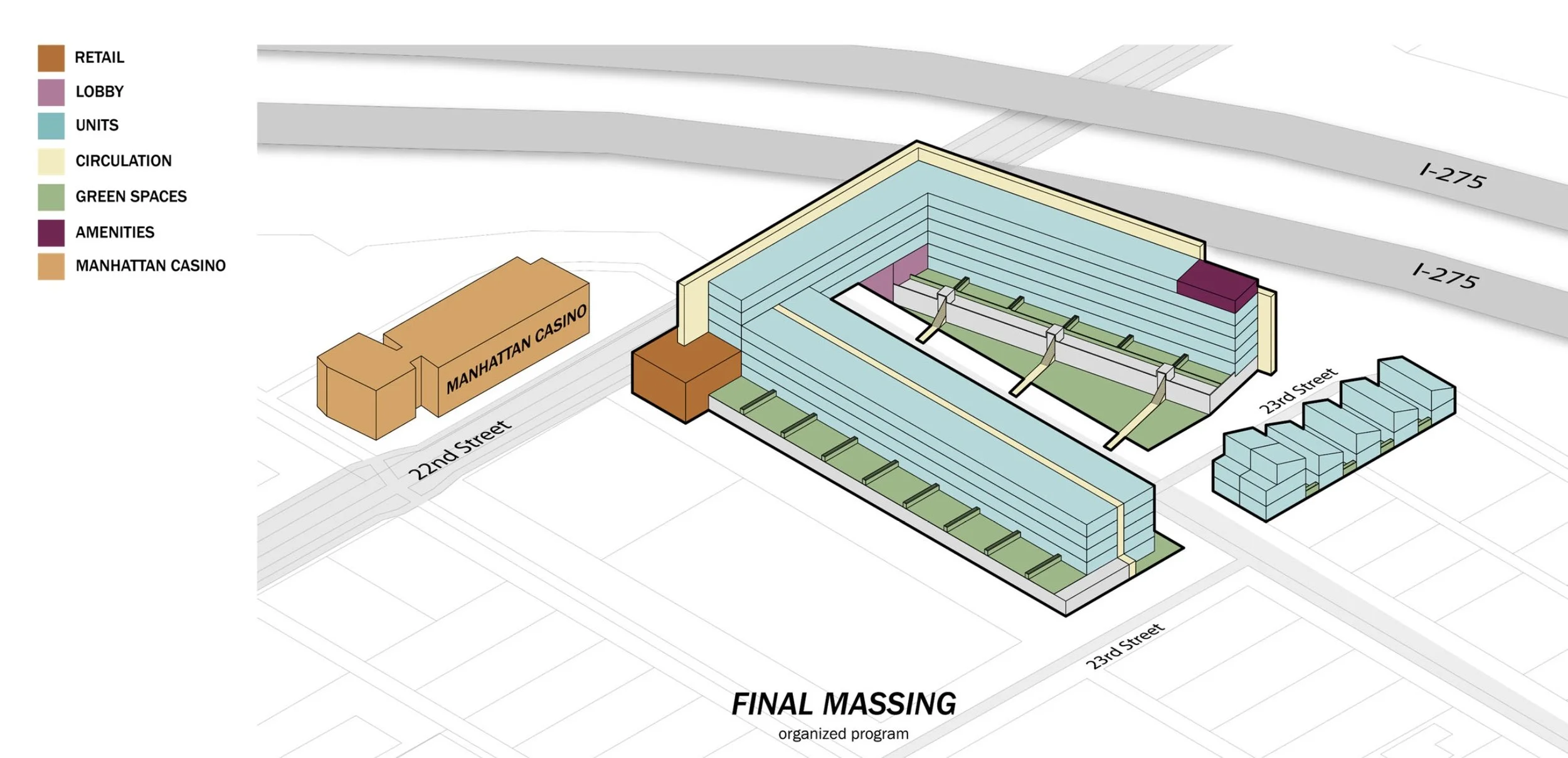
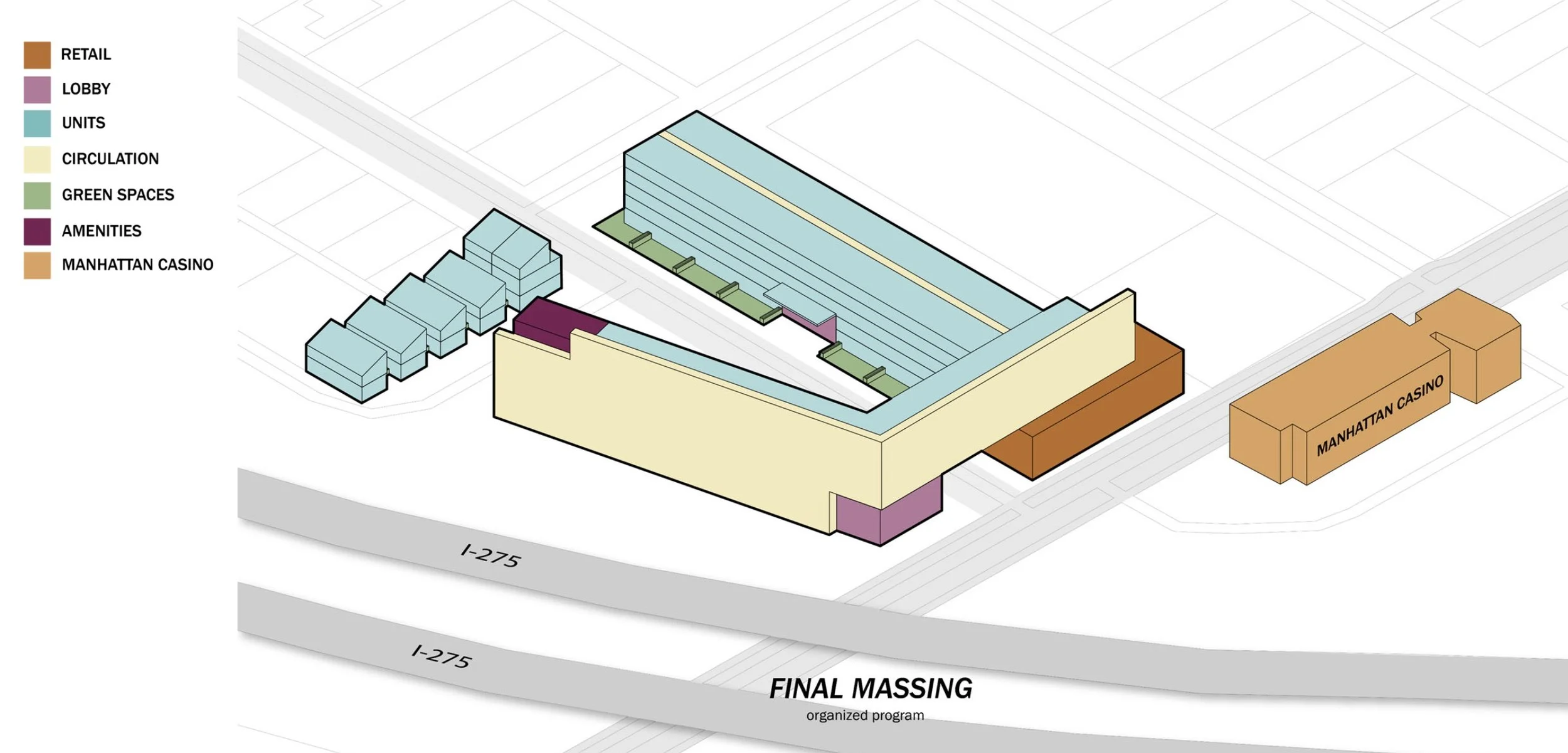
Texas-based Magellan Housing’s submission focuses on deeply affordable housing combined with a smaller homeownership component.
The plan includes a total of 126 residential units, with affordability levels ranging from 30% to 80% of area median income.
The proposal also includes six for-sale townhomes, intended to provide a path to homeownership for moderate-income households.
The development incorporates approximately 6,000 square feet of ground-floor retail space, with Blind Tiger Coffee Roasters already in discussions as a first tenant
The design includes public art elements and community-oriented spaces intended to reflect the cultural history of the corridor.
Phase 1 of the project is estimated at approximately $40 million, with the overall development structured under a 99-year ground lease, allowing the City to retain ownership of the land while generating long-term lease revenue.
The timeline is closely tied to the competitive 9% Low-Income Housing Tax Credit process.
Magellan is proposing a 99-year ground lease for the apartment portion of the project rather than purchasing the land.
The lease would begin at $55,000 annually, increasing by 1% each year, which the developer estimates would generate more than $9.2 million in lease revenue for the City over the term.
The townhome parcels would be conveyed separately so they can be sold to individual homeowners.
Construction would begin after financing is secured, with an estimated 18 to 24 month construction period.
Depending on funding cycles and approvals, completion is projected around 2029.
HP Capital Group
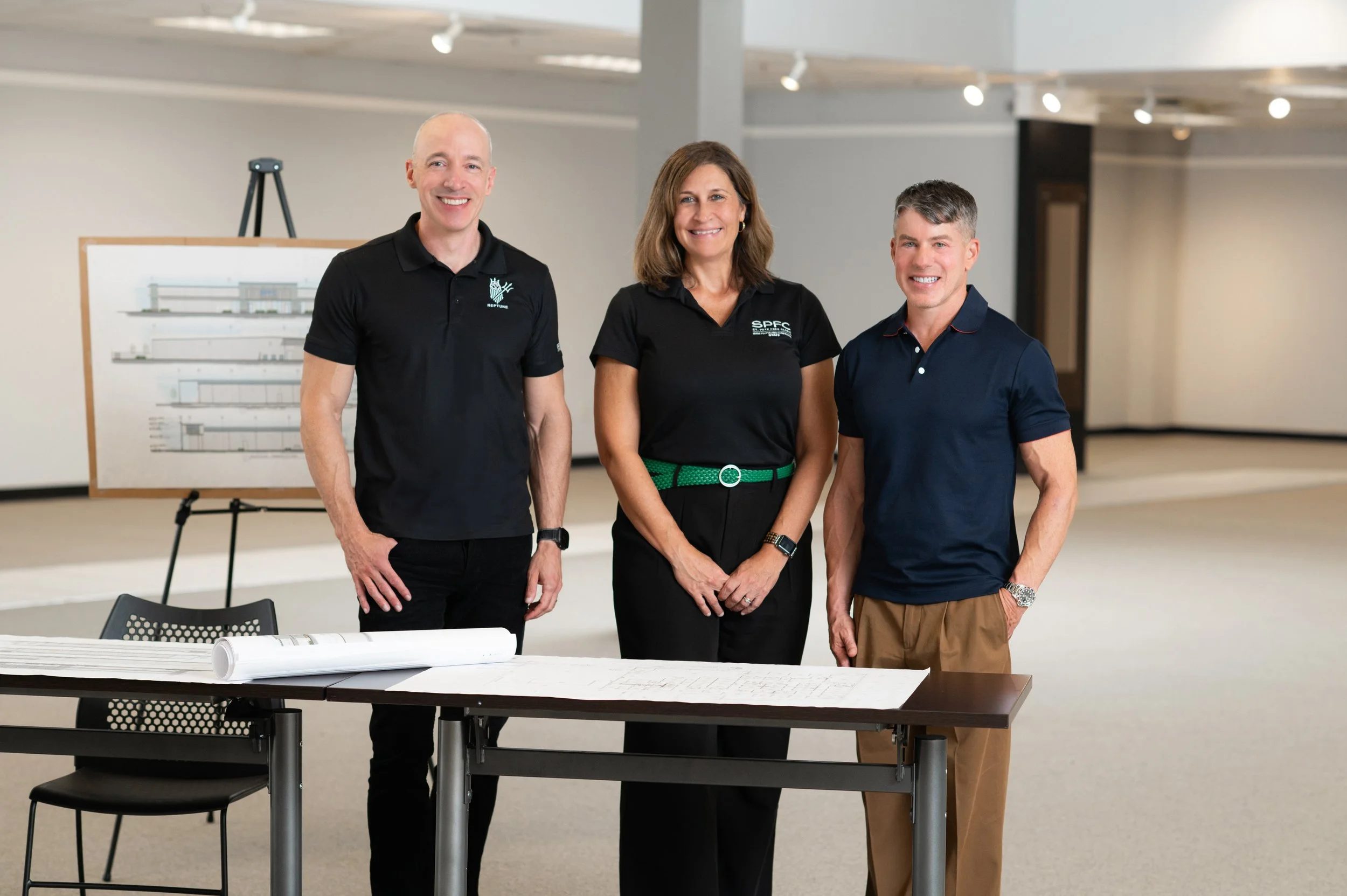
St. Pete-based HP Capital Group proposes a larger mixed-use development centered on job creation and economic activity.
HP Capital previously developed the 18-story Reflection condominium tower in downtown St. Petersburg and is currently developing Fairfield Avenue Apartments, a 264-unit affordable housing community along the Pinellas Trail.
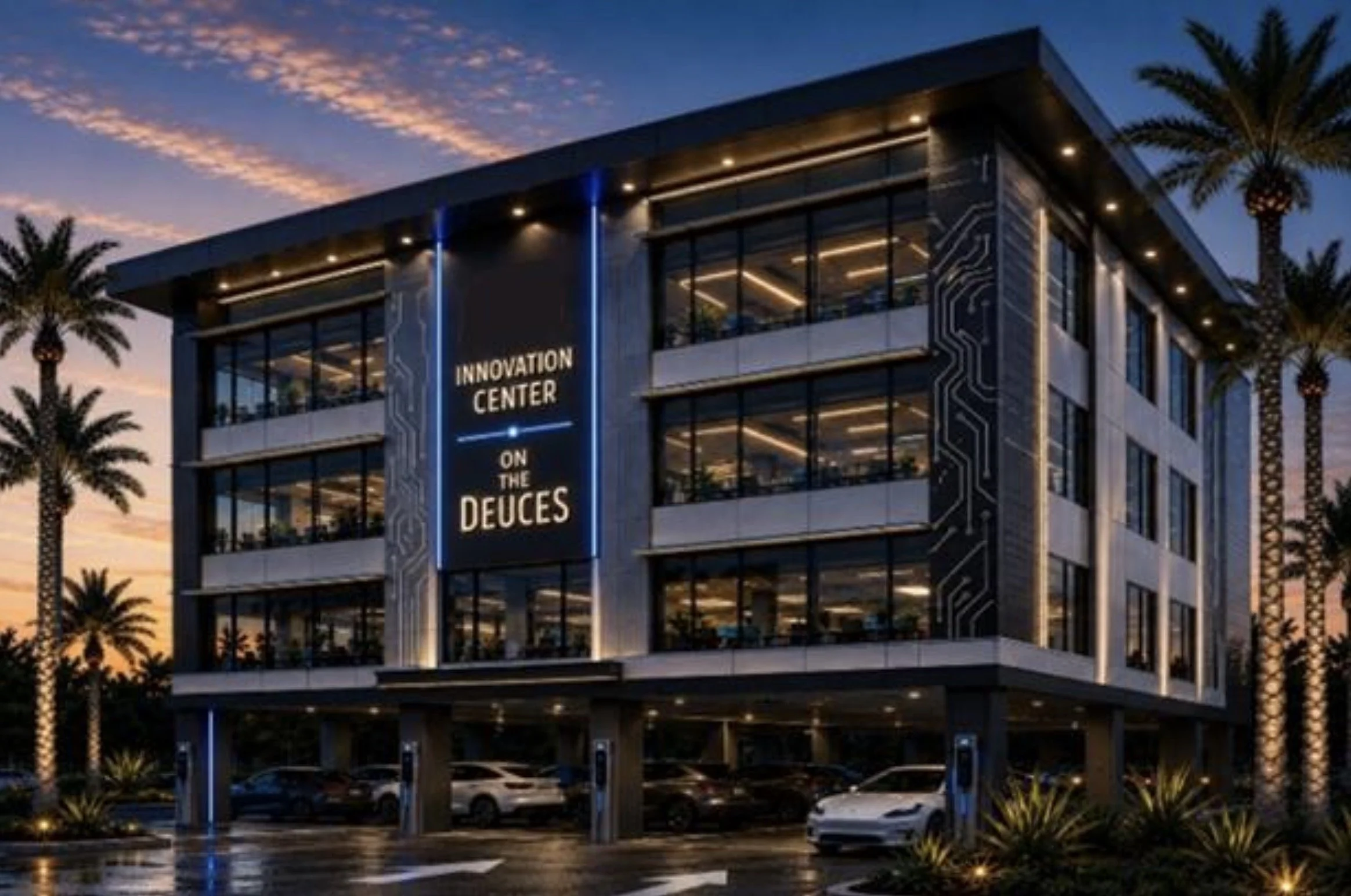
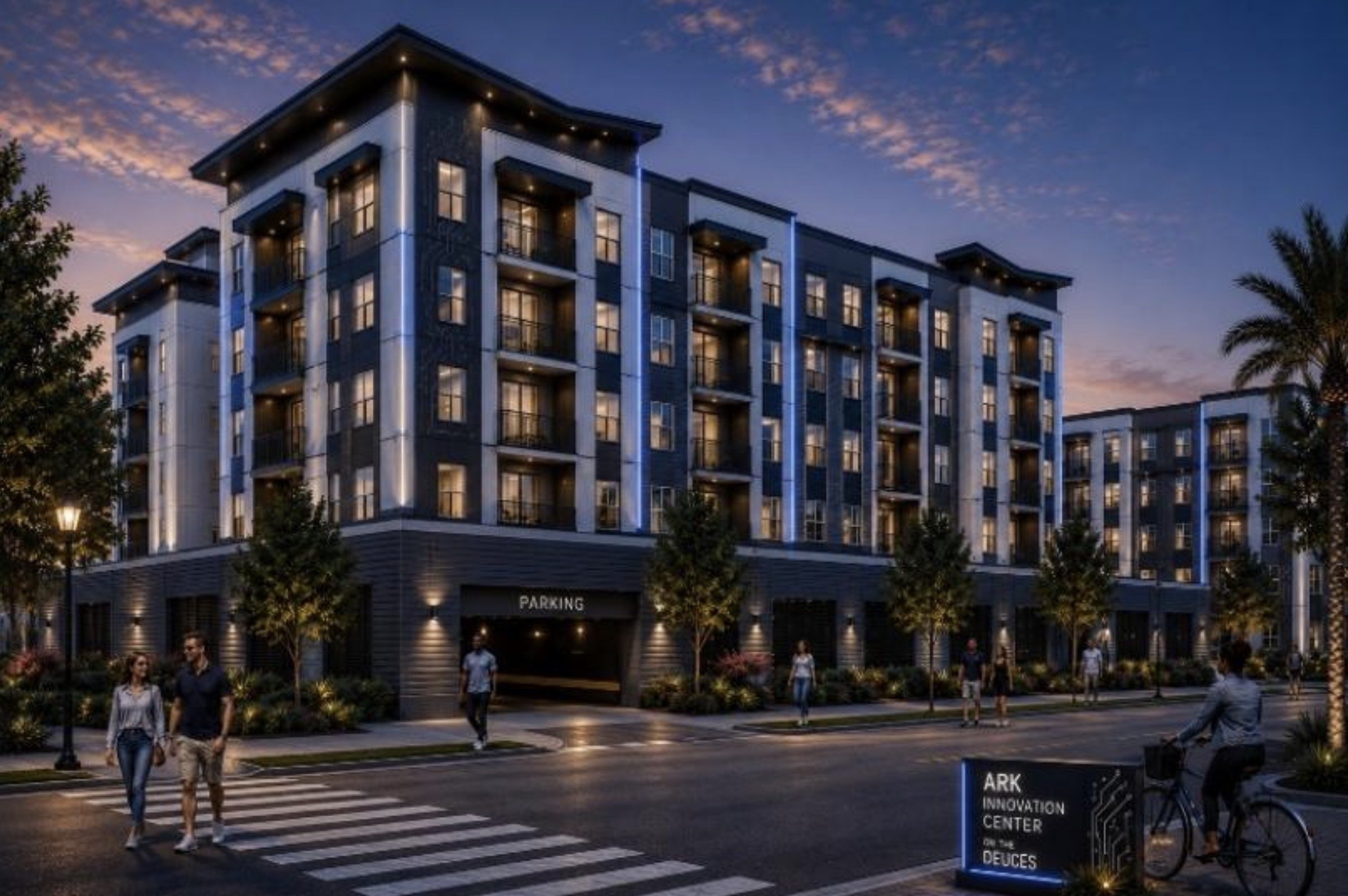
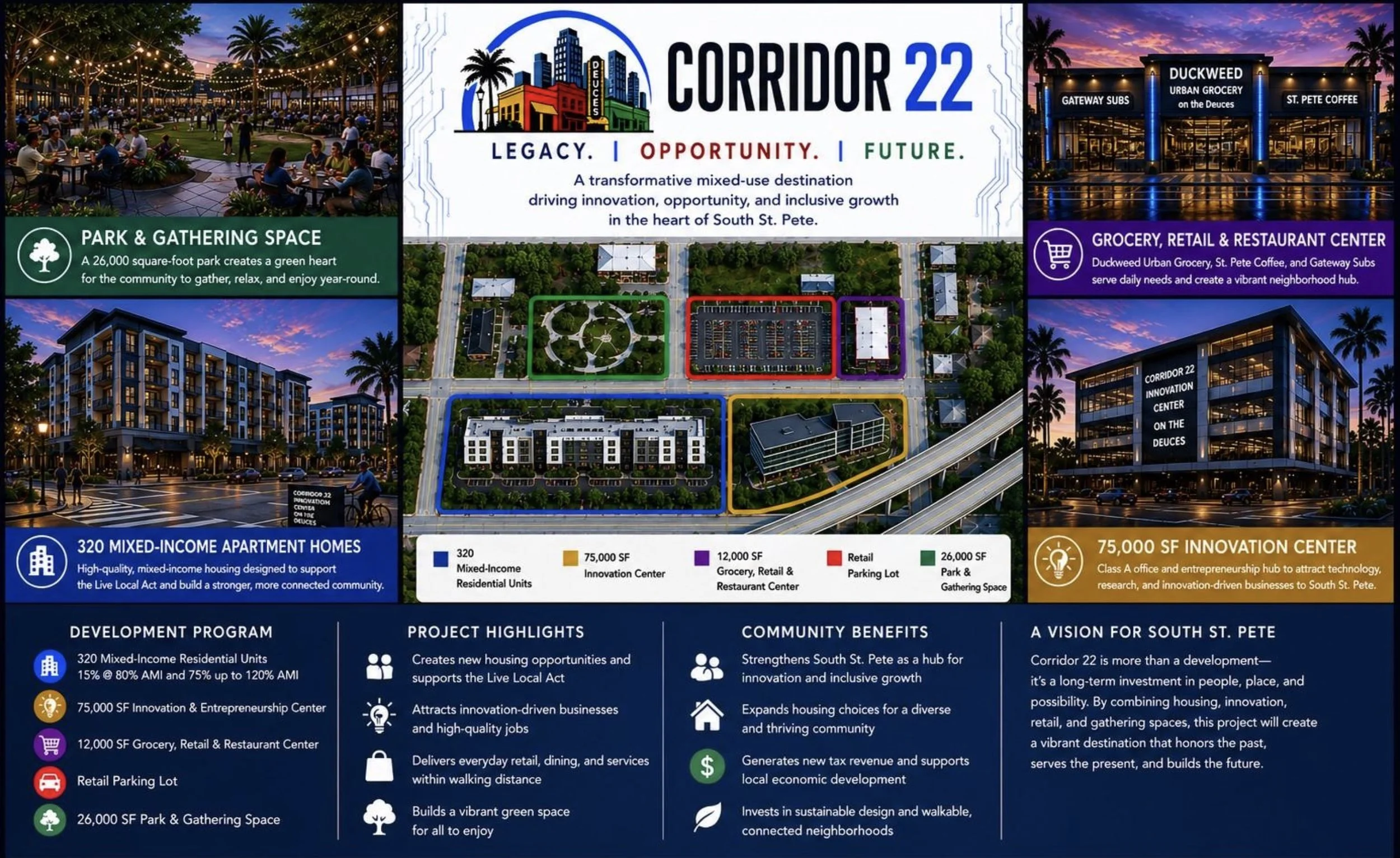
Their plan for Commerce Park includes approximately 320 residential units, primarily at workforce and moderate-income levels, along with a significant non-residential component anchored by a 75,000 square foot innovation center managed by ARK Invest.
This space is intended to accommodate startups, office users, workforce training programs, and potential conference activity.
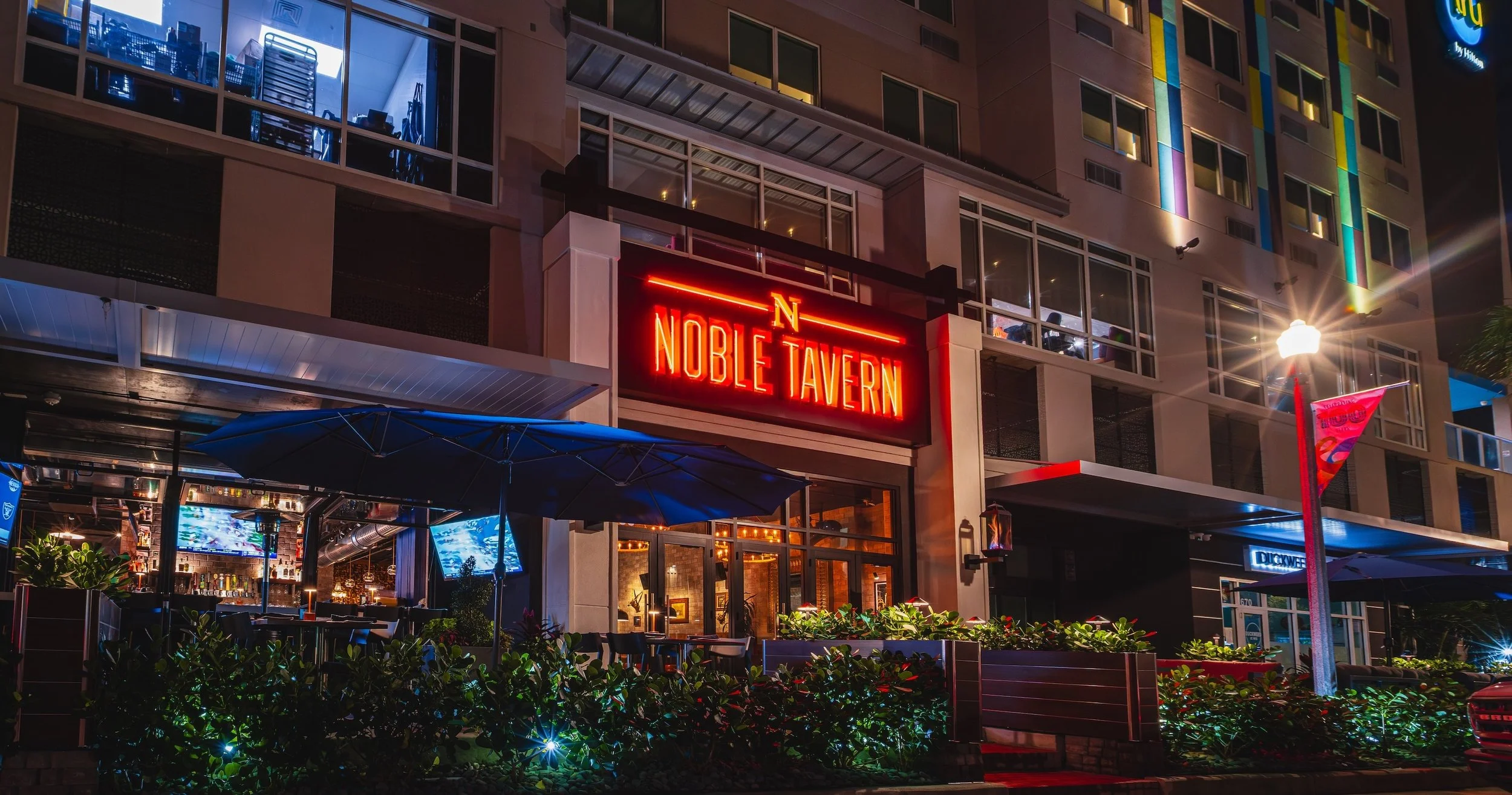
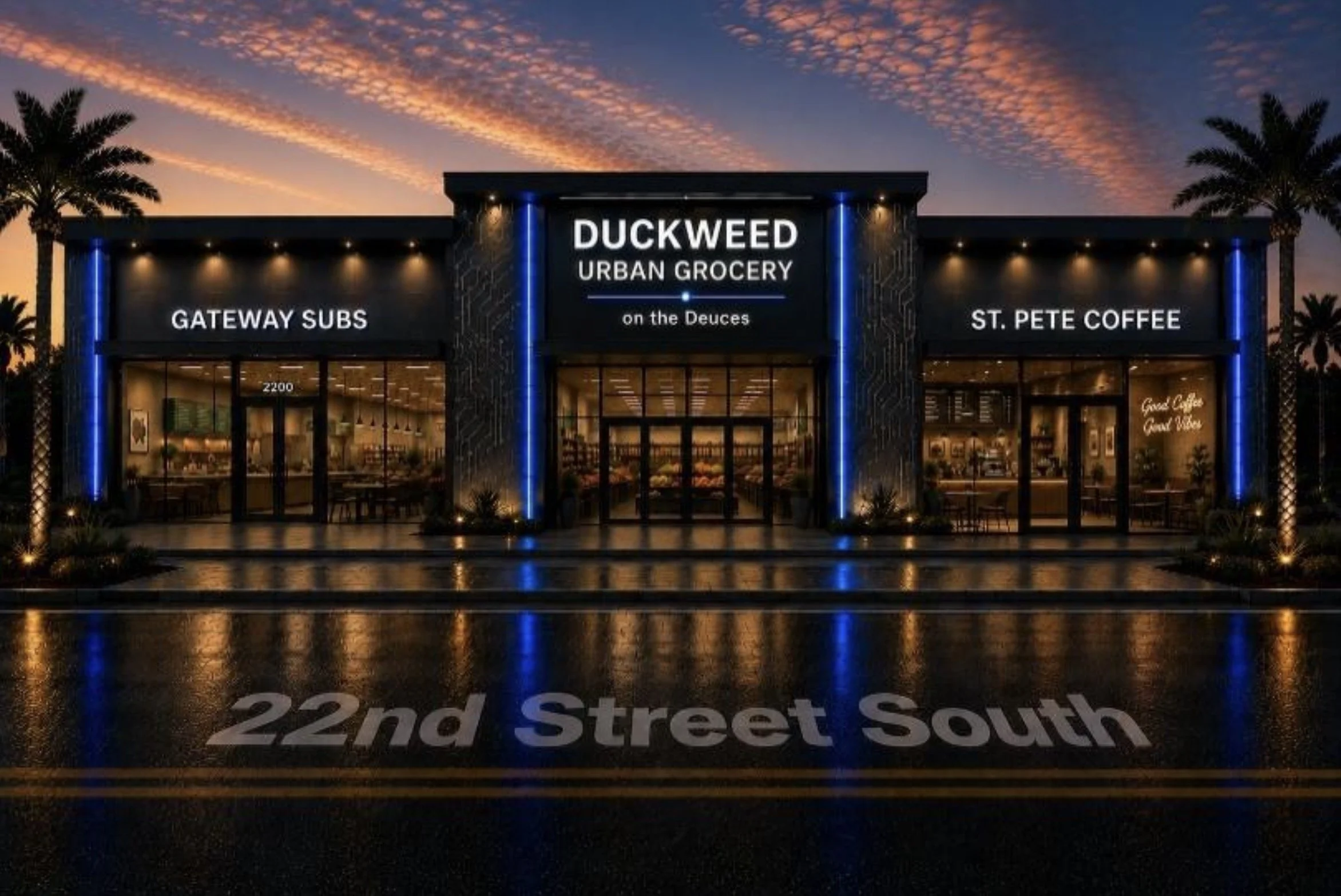
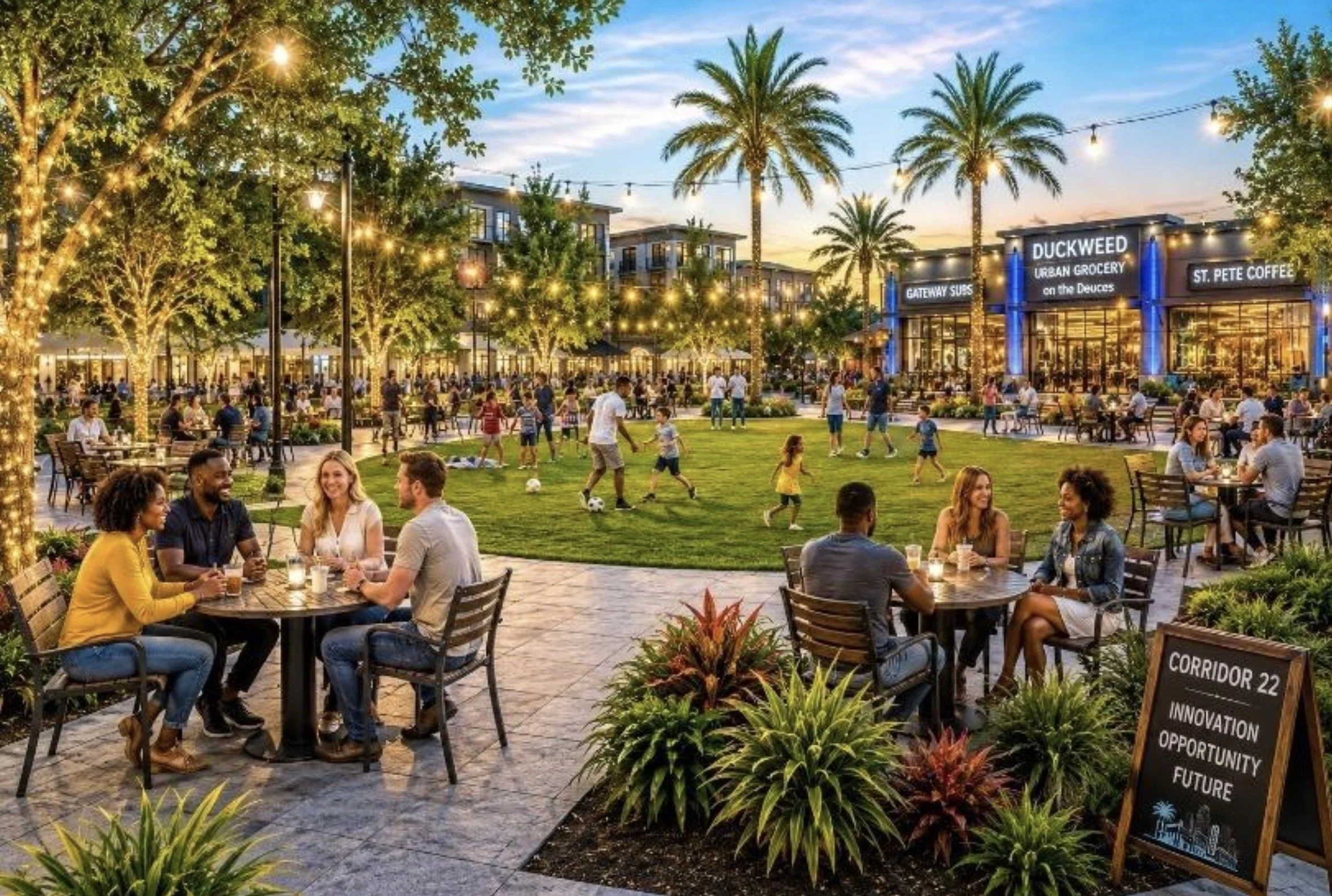
The proposal also includes approximately 10,000 to 12,000 square feet of retail space, including a Duckweed Urban Grocery and a Gateway Subs, as well as more than 25,000 square feet of public open space, designed as a central gathering area.
The total development cost is estimated at approximately $127 million, with financing structured around a HUD 221(d)(4) loan, developer equity, and other capital sources.
HP Capital is offering $5 million to purchase the property, the highest cash offer submitted among the seven proposals. The company says it is also willing to consider a ground lease structure if that is the City's preference.
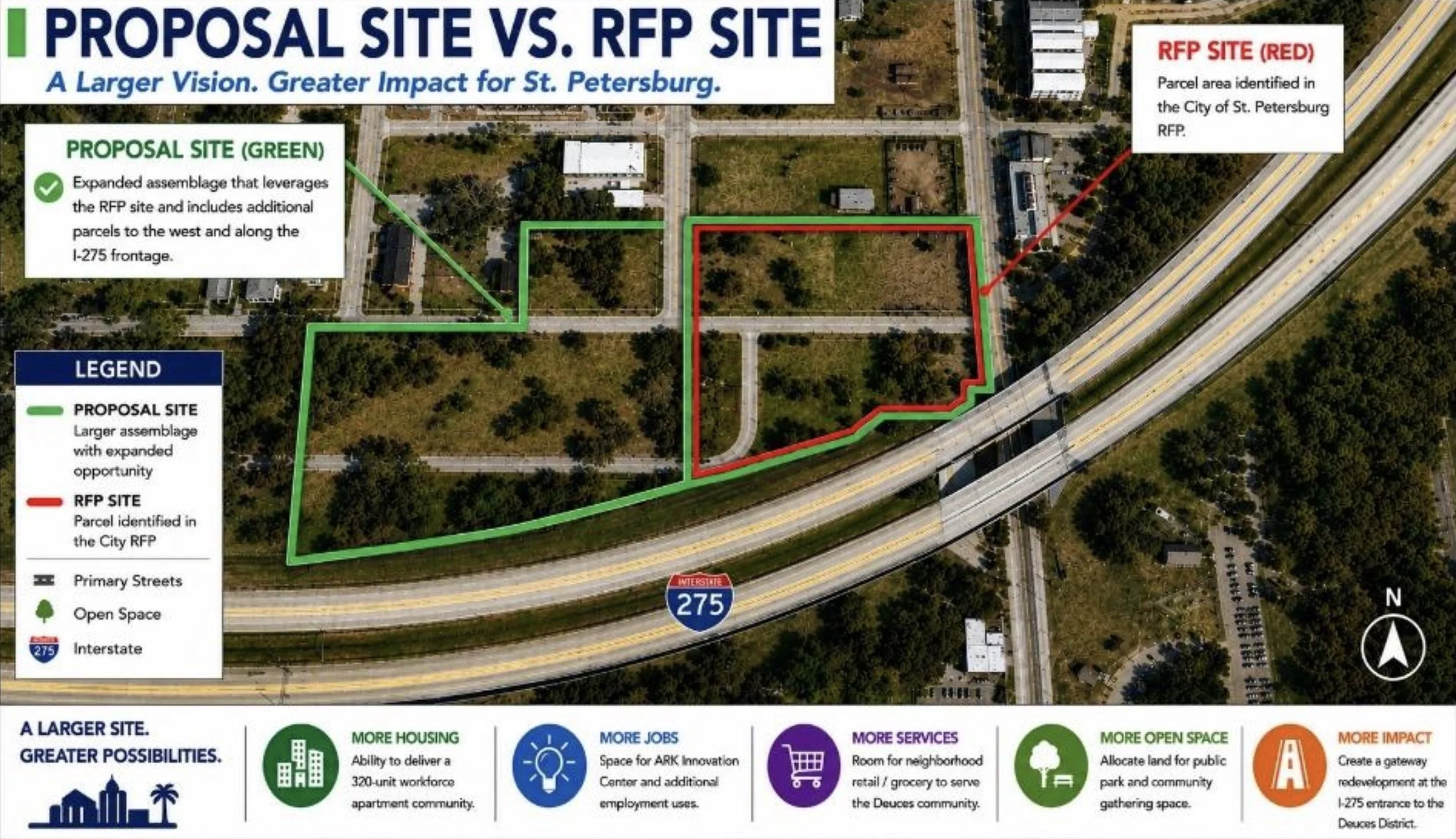
A key aspect of the plan is the need to assemble additional land beyond the original RFP site, including both city-owned and privately owned parcels, as well as potential roadway adjustments.
The timeline outlined in the proposal targets an overall delivery period of approximately 2 to 3 years, including predevelopment and construction.
However, this schedule is dependent on securing financing, assembling land, and obtaining necessary approvals.
Blue Sky Communities + Habitat for Humanity Tampa Bay Gulfside
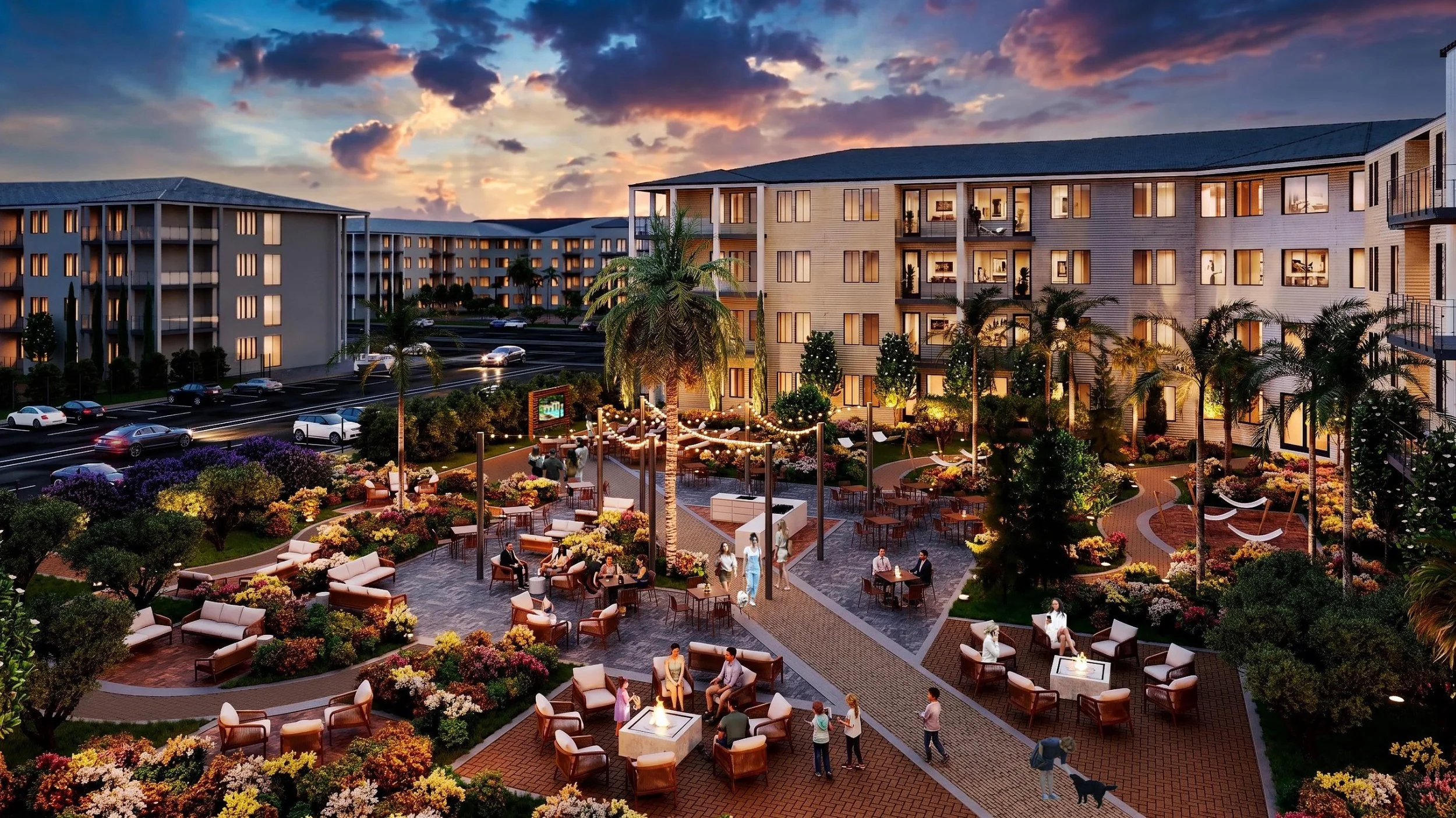
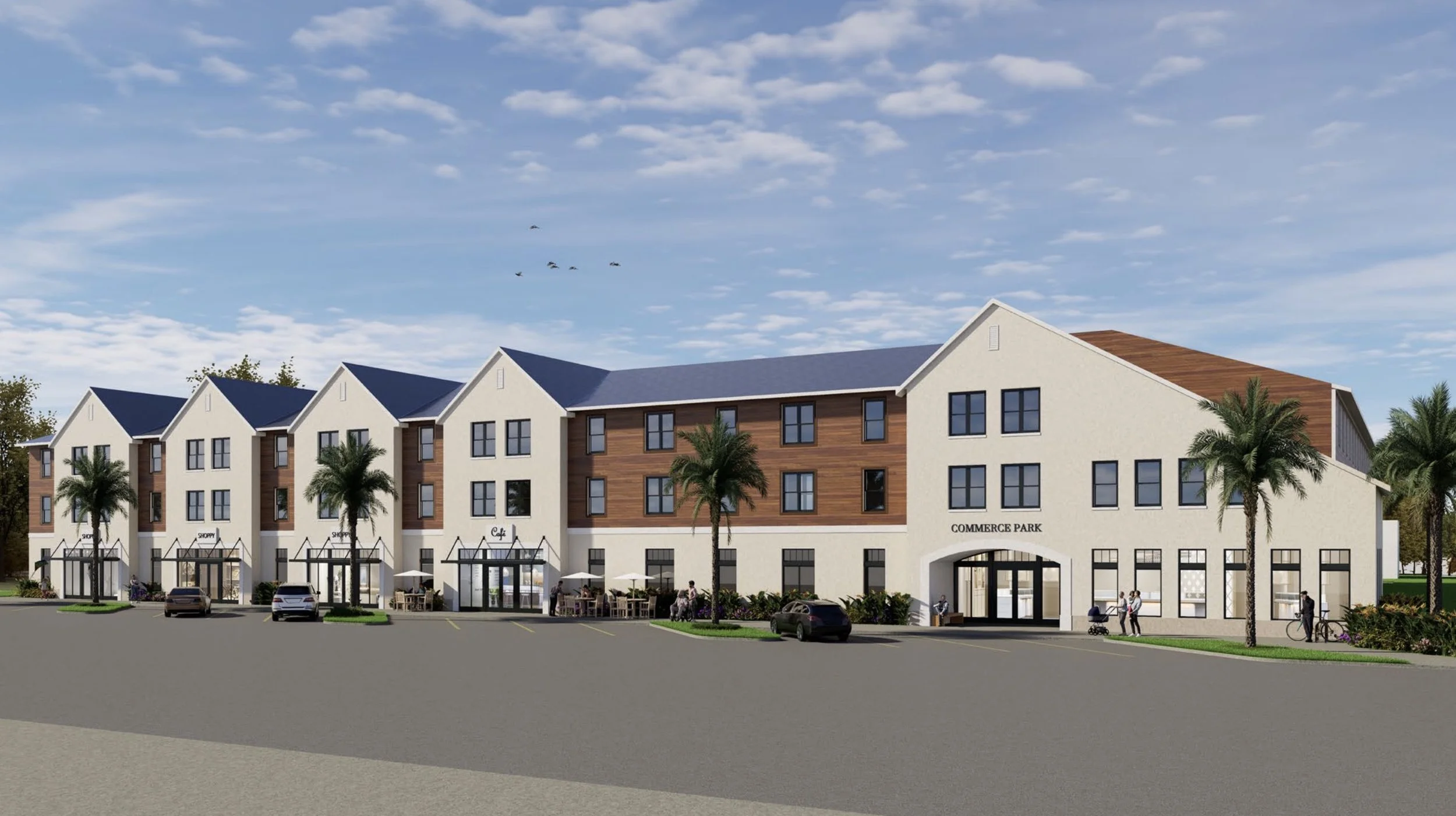
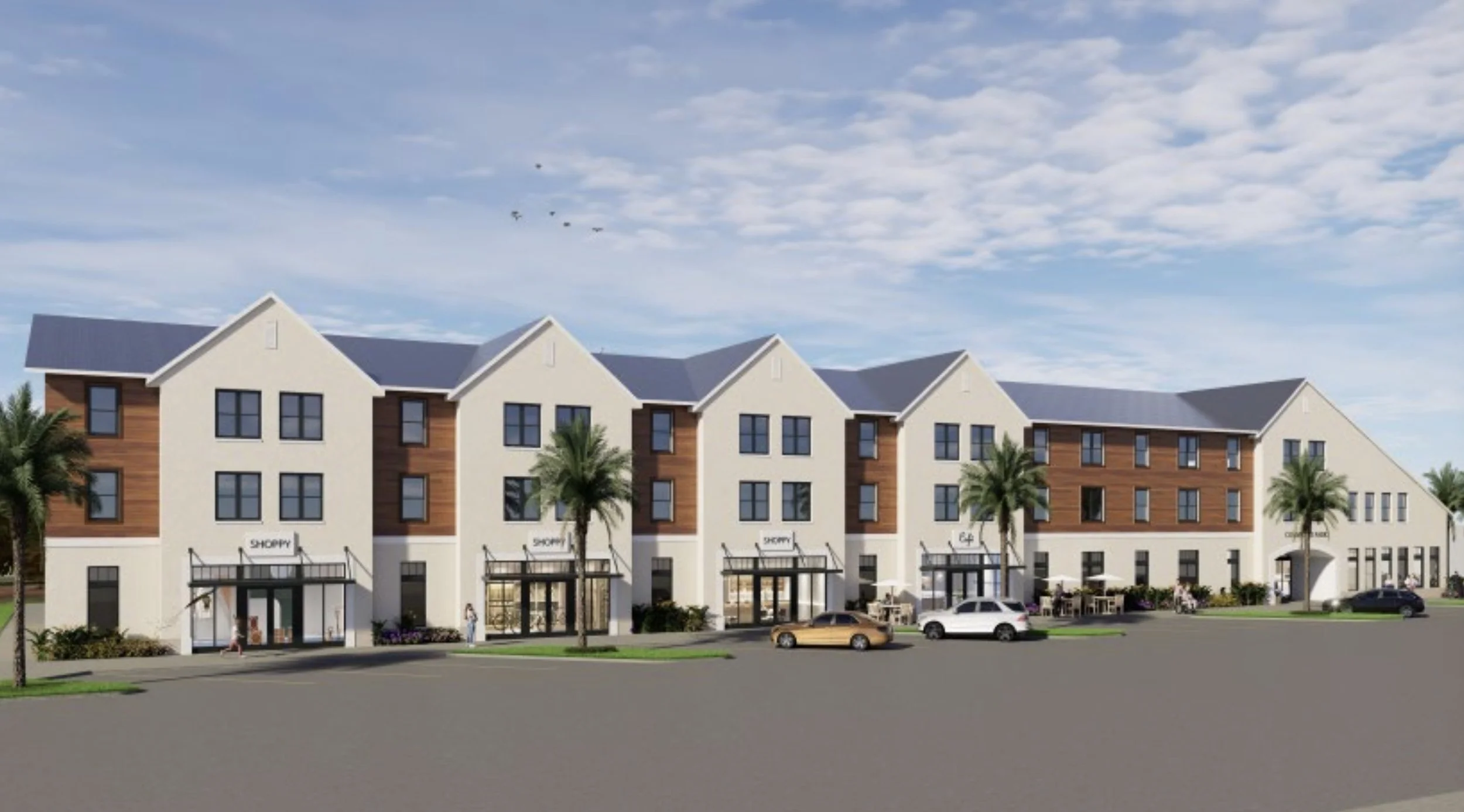
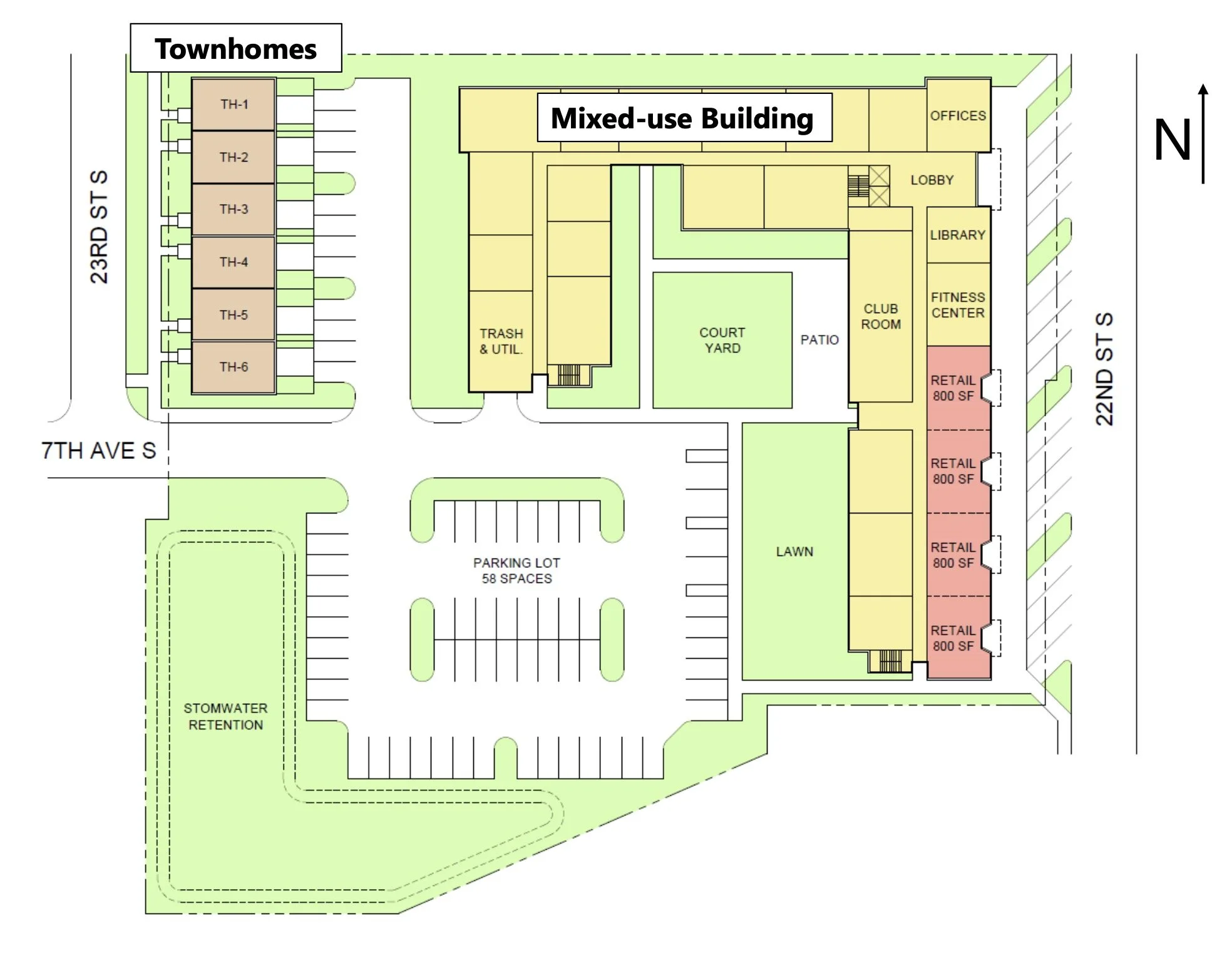
St. Pete-based affordable housing developer Blue Sky Communities along with Habitat for Humanity Tampa Bay Gulfside propose a plan that includes 75 affordable rental units, with the majority of units targeted at 60% of area median income, along with a portion reserved for extremely low-income households.
In addition, the proposal includes six for-sale Habitat for Humanity townhomes, designed to be sold to income-qualified buyers at below-market prices.
The development also includes approximately 3,200 square feet of ground-floor retail space, divided into smaller storefronts intended for local businesses.
The overall design emphasizes a lower-density, neighborhood-scale approach, with a three-story residential building and interior courtyard space.
The estimated cost for the apartment component is approximately $28.5 million, with an additional $2 million allocated for the townhomes.
Blue Sky proposes that the City retain ownership of the apartment site through a 99-year ground lease with annual payments of $158,375, based on a 3.5% return on the appraised land value.
The lease includes an option to purchase the property for $1 after 50 years.
Separately, the Habitat townhome parcels would be conveyed for $10 to facilitate affordable homeownership.
The timeline anticipates a phased approach, with the townhomes delivered first between late 2027 and early 2028, followed by completion of the apartment building in mid- to late-2028.
As with other affordable housing proposals, timing is dependent on securing Low-Income Housing Tax Credit allocations.
Archway Partners
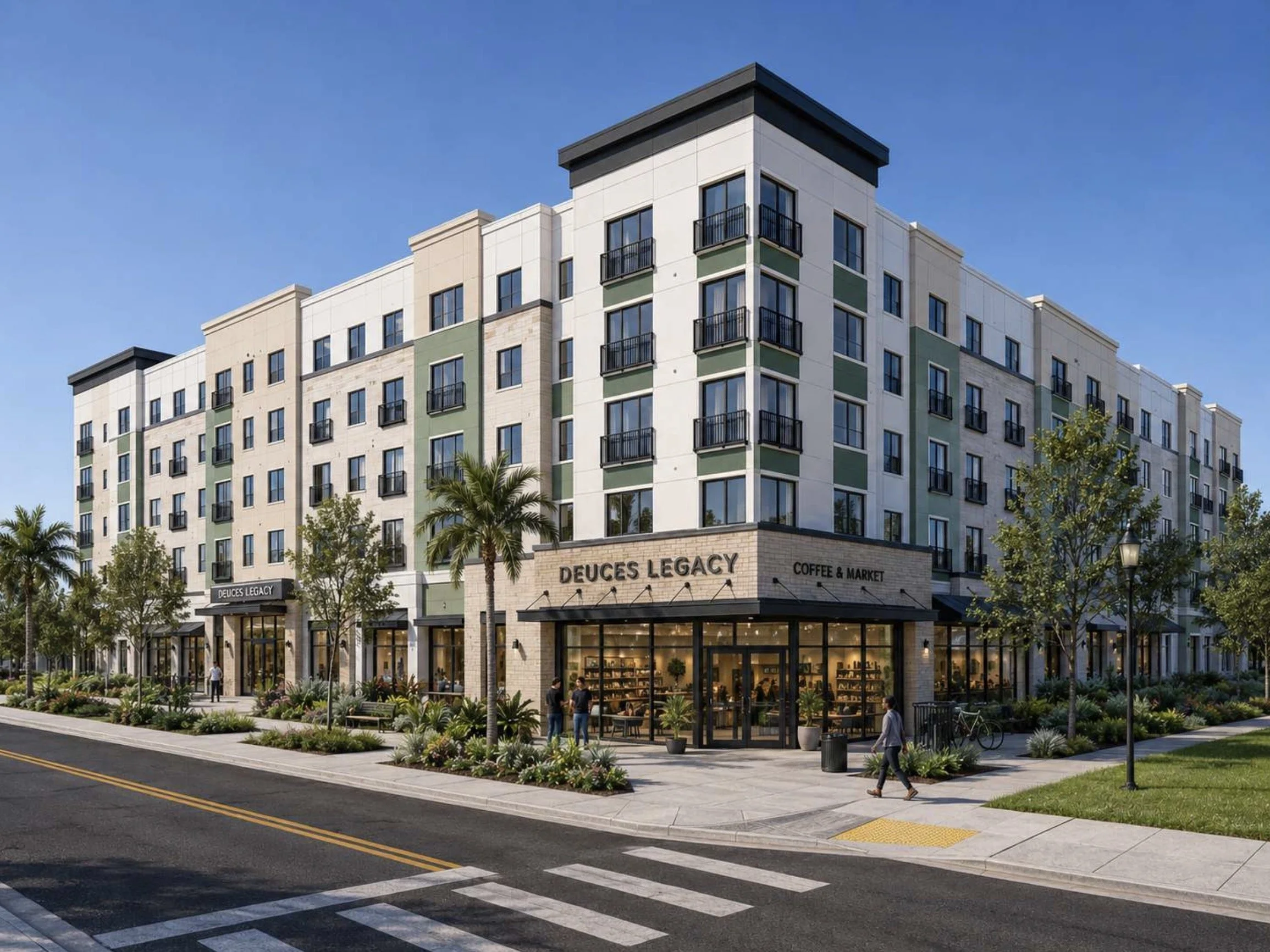
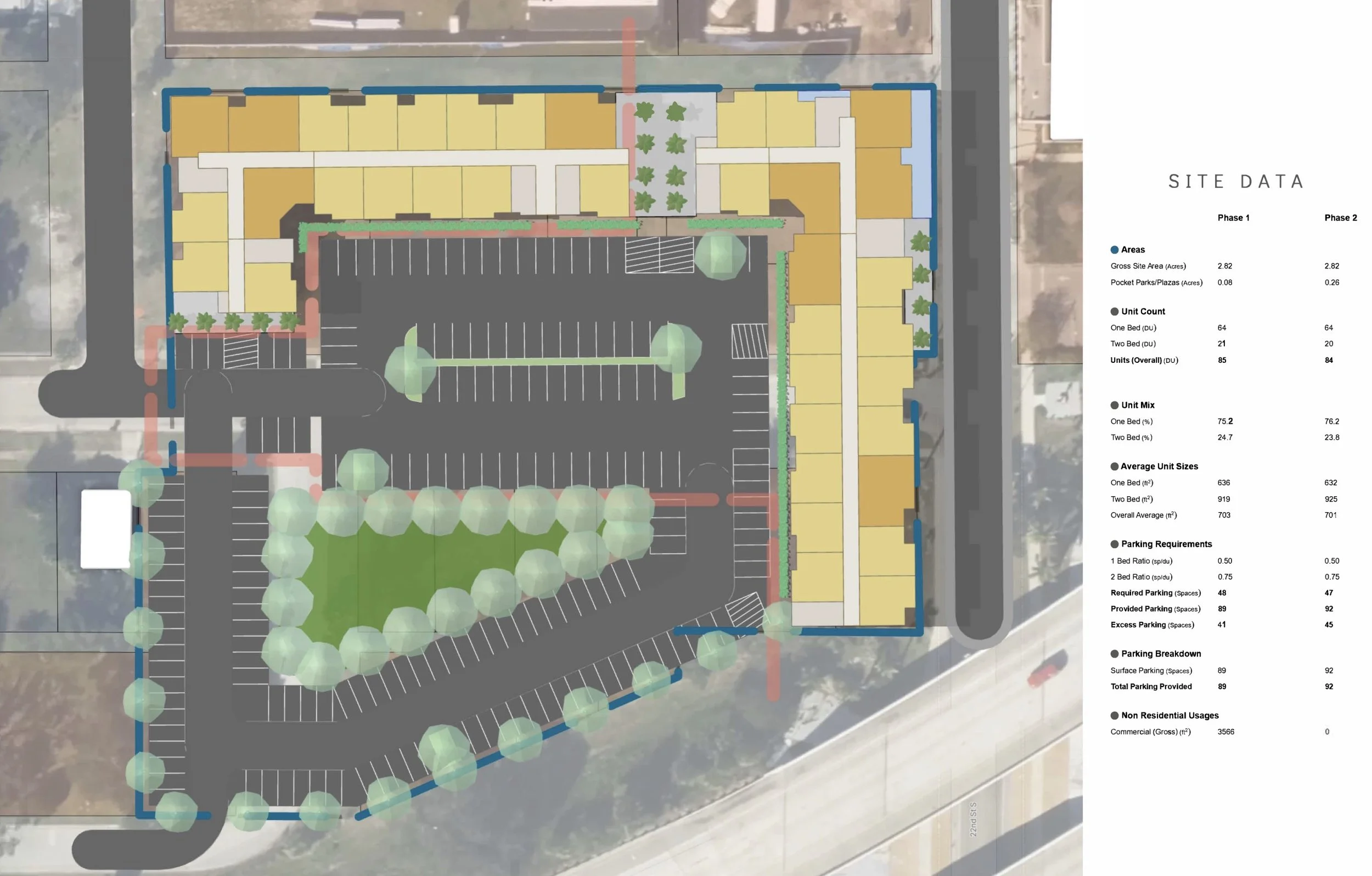
Orlando-based Archway Partners proposes a two-phase development with a mix of affordable and workforce housing.
The plan includes a total of 169 residential units, split into two phases of approximately equal size.
Units would be offered at affordability levels ranging from 30% to 80% of area median income, creating a mixed-income community.
The development also includes approximately 3,500 square feet of ground-floor commercial space.
The total project cost is estimated at approximately $68 million, with financing structured around Low-Income Housing Tax Credits, conventional debt, and additional funding sources.
Archway is offering $1 million to purchase the property through a fee simple conveyance as part of its proposed redevelopment plan.
The development would be constructed in phases, beginning in 2027 and completing in 2029.