$165 million redevelopment of downtown St. Pete marina moves ahead with city in charge
/The City of St. petersburg’s 640-slip municipal marina located on the downtown waterfront will be redeveloped in the coming years | City of ST. Pete
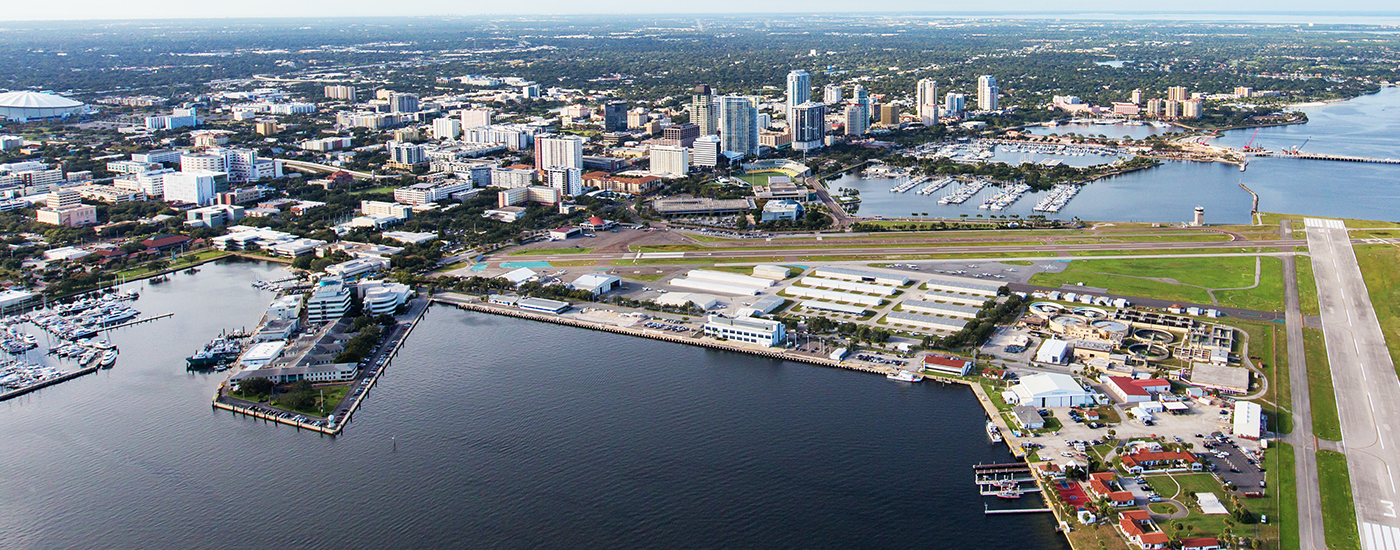
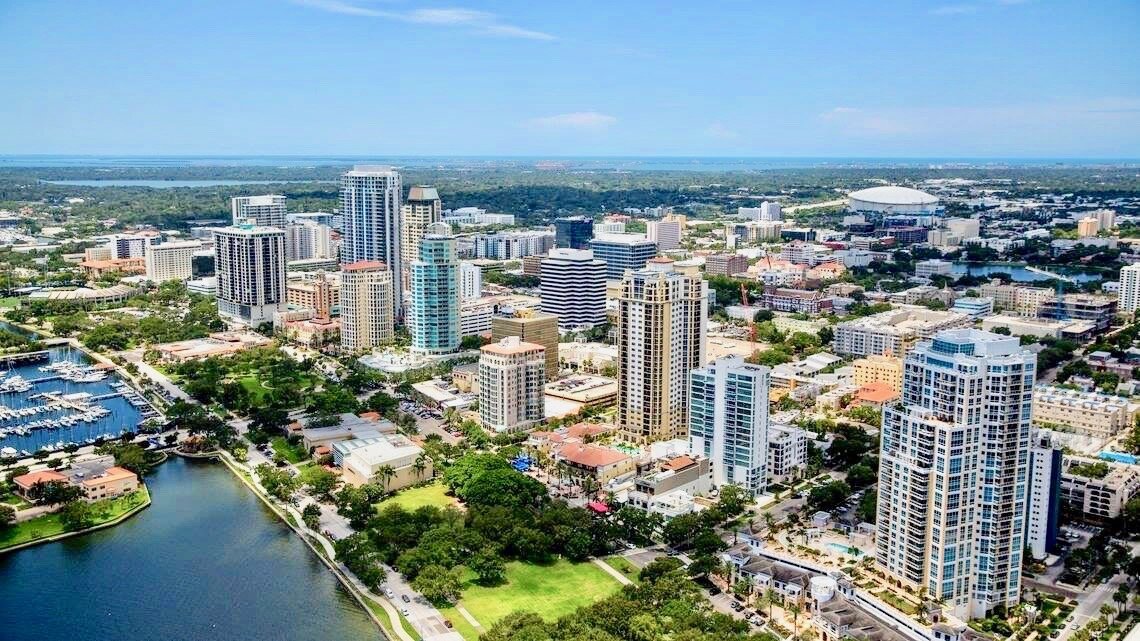
The City of St. Petersburg is stepping in to lead the long-awaited redevelopment of the century-old, 640-slip municipal marina along the downtown waterfront just south of the St. Pete Pier.
The redevelopment is a large, multi-phased project focused on rebuilding aging infrastructure, improving operations, and opening up more of the waterfront to the public.
City staff are currently negotiating a contract for pre-construction services with a team led by Skanska and Cummins Cederberg.
The city has worked with both firms before, partnering with Skanska on the St. Pete Pier and with Cummins Cederberg on the Citywide Seawall Master Plan.
The team responded to a city-issued request for qualifications in late 2025, shortly after the city ended negotiations with Safe Harbor Marinas, which had previously been selected to take on the project.
Under the revised approach, the city will retain full ownership and control of the marina, rather than leasing it out.
Officials say the shift lets the city keep all the marina’s revenue while ensuring the project lines up with long-term goals like storm resilience and increased water quality.
central basin marina conceptual plan | city of st. petersburg
“We had the opportunity to listen to feedback from the last agreements, council meetings, workshops, community groups, and take all that and put it into what our scope is right now,” St. Pete Engineering Director Brejesh Prayman said during Thursday’s Public Services and Infrastructure Committee meeting.
“Why is this more beneficial than a P3 [public-private partnership]? It’s a city-owned asset, and this removes the misconception that we are giving it away to a private entity,” he added.
In both the Central and South Basins, the city plans to replace existing docks and upgrade utilities.
The Central Basin will also see the removal of the west dock house, a full replacement of the north dock house, and expanded services at the south dock house.
In the South Basin, the existing dock house will be upgraded and expanded as well.
Waterfront and infrastructure improvements include replacing seawalls throughout both basins and rebuilding the Demens Landing Bridge, along with incorporating water quality features like living seawalls and hybrid coastal construction.
South Basin marina conceptual plan | city of st. petersburg
The project would also remove fencing and shift dock layouts to create better public access along the water.
Other major components include replacing the fuel station, which currently struggles during high tides, adding more amenities and access points for both boaters and non-boaters, and streamlining marina operations.
The plan also calls for demolishing Fresco’s Waterfront Bistro at 2nd Avenue NE and Bayshore Drive NE, with a new building planned in its place.
City officials say the existing structure must be removed to allow for seawall replacement beneath it.
It remains unclear whether Fresco’s will return after construction or if a new operator will take over.
“I have a lot of concern about this restaurant being displaced and having been in business for more than 20 years,” committee member Gina Driscoll said. “We need to make sure we are being respectful and honoring a longtime tenant and part of the waterfront experience.”
Frescos Waterfront Bistro has operated on the downtown waterfront for over 20 years | Frescos
The total cost to redevelop the marina is now estimated at $165.45 million, up from an earlier $148 million construction budget.
A significant portion of the funding, about $84.83 million, will go toward utility upgrades and replacing docks and facilities in the south and central basins.
Another $54.22 million is earmarked for additional improvements, including the installation of living or hybrid seawalls designed to enhance coastal resilience.
The first phase, which includes site studies and seawall work, is expected to be funded by $65 million in Tax Increment Financing (TIF) funds.
“What’s going to happen in 2032 when the TIF money is exhausted?” committee member Brandi Gabbard asked during the meeting.
In response, Prayman said the marina is expected to generate enough revenue to support the remaining $100 million debt tied to the project. The marina, which is typically fully occupied, will remain operational throughout construction.
The final agreement with Skanska and Cummins Cederberg is expected to go before City Council in June.
If approved, the project will move forward in multiple phases, each requiring separate approvals.
Construction is anticipated to begin in 2028, with the completed project expected to open in 2031.