Inside the city’s early review of eight proposals for the 86-acre Historic Gas Plant District in downtown St. Pete
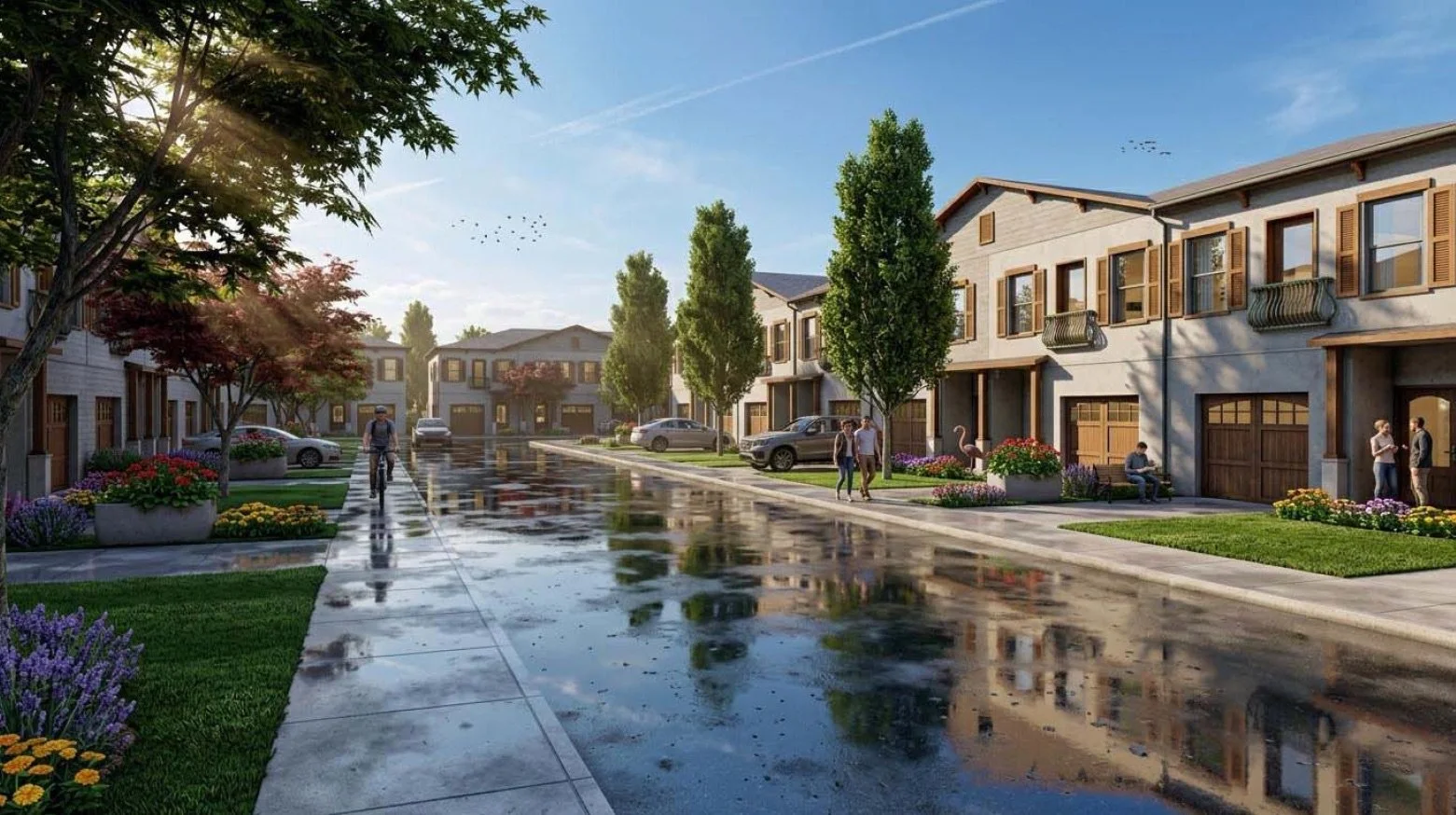
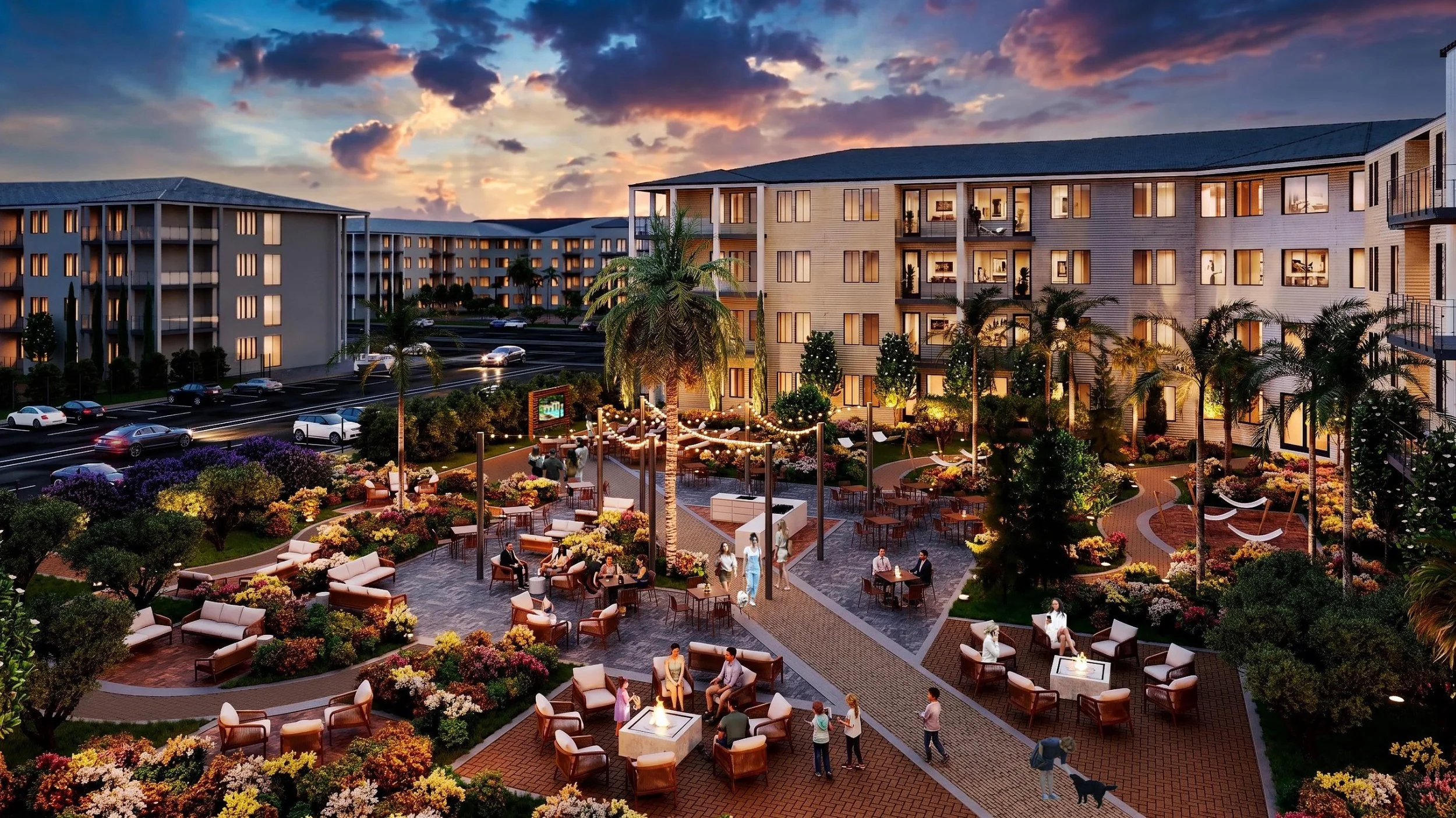
/Rendering from the Foundation Visions Partners proposal to redevelop the 86-acre Historic Gas Plant District in downtown St. Pete | Foundation Vision Partners
The City of St. Pete has begun reviewing proposals submitted to redevelop the 86-acre Historic Gas Plant District, a process that will determine the future of one of downtown’s most significant redevelopment sites.
The city received nine proposals in February from development teams seeking to transform the site, which is currently home to Tropicana Field and a swath of surface parking lots.
The land was historically home to the Gas Plant neighborhood before its displacement in the 1980s and is now being reconsidered for a large-scale mixed-use district that could include housing, jobs, cultural spaces, and public amenities.
After an unsolicited proposal to redevelop the property was submitted by Ark Ellison Horus, other groups were invited to submit alternative proposals through a competitive process aimed at identifying a team capable of delivering a project aligned with the city’s goals.
In addition to physical development, proposals were expected to address community benefits, economic opportunity, and long-term public value.
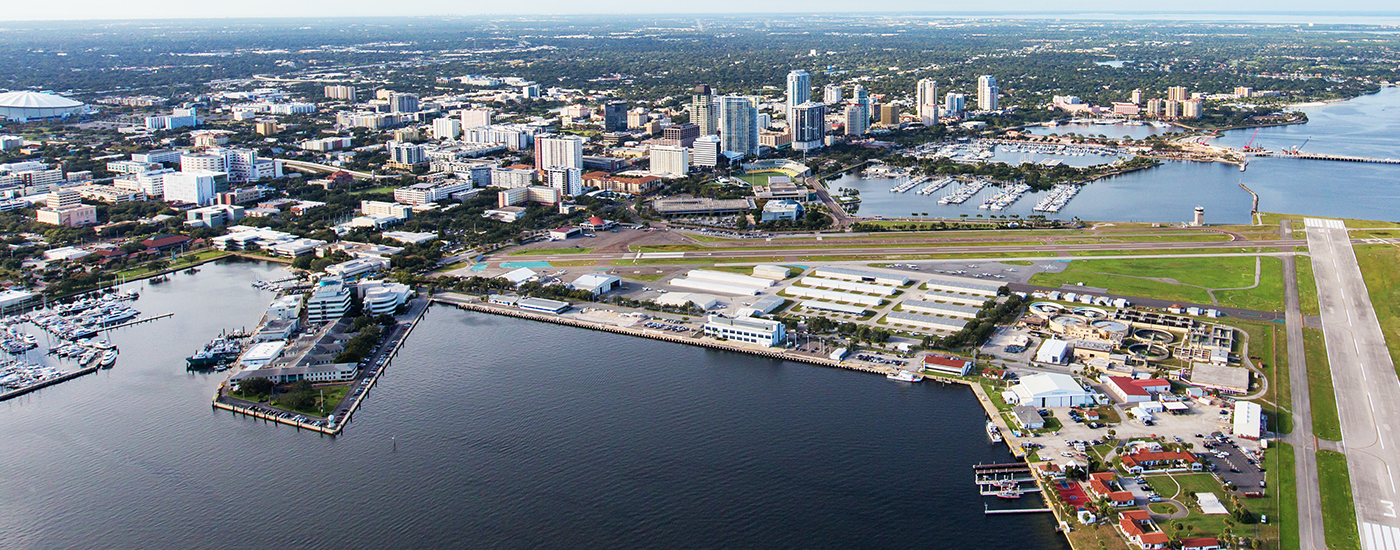
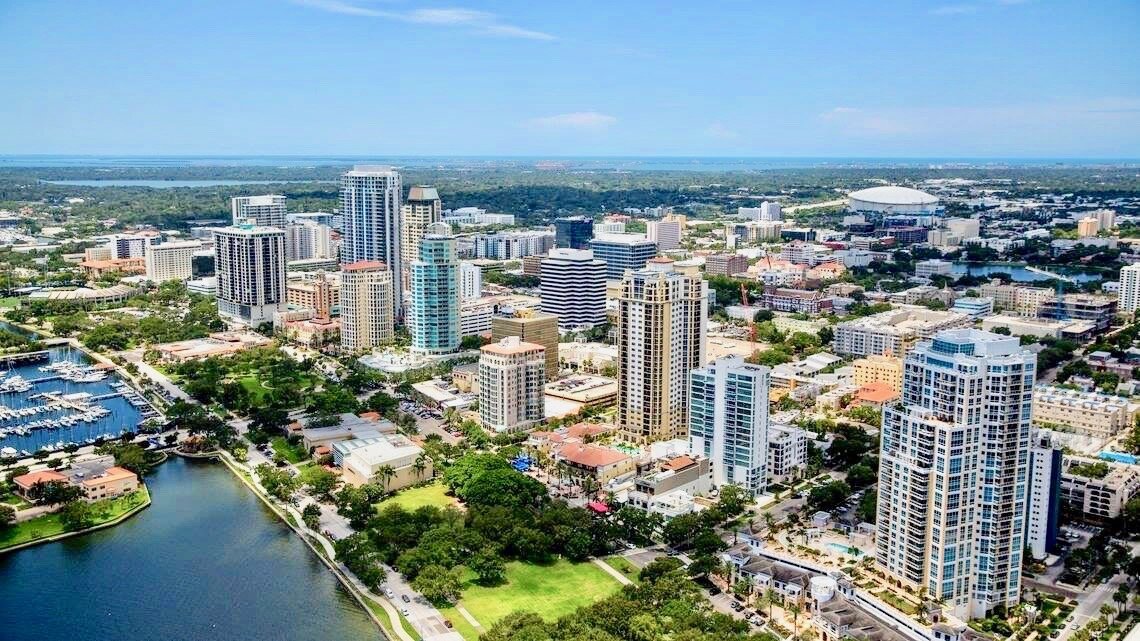
Aerial of Tropicana Field and the Gas plant district | st. pete rising
Three city officials — Housing and Neighborhood Services Administrator Amy Foster, City Development Administration and Finance Managing Director Beth Herendeen, and Assistant City Administrator Tom Greene — have completed initial evaluations of the submissions.
While additional city staff may also review the proposals as the process moves forward, these are the only three evaluations that have been submitted to date.
“The process of reviewing and shortlisting the proposal received is underway. At this stage, staff evaluations are an initial review of the submissions and do not represent a final selection of shortlisted proposals,” the city said in a statement to St. Pete Rising. “These evaluations will be forwarded to Mayor Welch for his consideration and determination.”
Eight proposals ultimately moved through the evaluation process after one team, Tempo Novus, withdrew its submission.
Across all three evaluators, the same four proposals were recommended for shortlisting: ARK Ellison Horus, The Burg Bid, Foundation Vision Partners, and the Pinellas County Housing Authority (PCHA).
A rendering of Ark Ellison Horus’ proposed $6.8 billion redevelopment of the historic Gas Plant District site in downtown St. Pete | ARK Ellison Horus
The proposal from ARK Ellison Horus, a group comprised of ARK Invest, Ellison Development, and Horus Construction, outlines a large-scale mixed-use district anchored by housing, office space, cultural institutions, and research-focused development.
The plan includes more than 3,700 residential units across a mix of market-rate, workforce, affordable, and senior housing, along with an estimated $6.8 billion in investment and tens of thousands of jobs.
Evaluators described the proposal as detailed and comprehensive, noting its strong alignment with the city’s redevelopment goals and emphasis on job creation, community benefits, and long-term economic activity.
Questions remain around infrastructure funding and how the development team would execute a project of this scale.
A vision of the Historic Gas Plant District from The Burg Bid, led by Blake Investment Partners and Related Group | The Burg Bid LLC
The Burg Bid proposal, led by Blake Investment Partners in partnership with the Related Group, Elliott Investment Management, Blue Sky Communities, Greystar, Driftwood Hospitality, and Stadler Development, also received strong marks for its scope and financial structure.
The plan includes approximately 3,600 affordable and workforce housing units, along with a mix of cultural, educational, and commercial uses.
Evaluators highlighted the proposal’s relatively high land value and limited reliance on city funding, as well as its commitment to directing a significant share of contracts to local and minority-owned businesses.
The development would be built in three phases over roughly 15 years.
While reviewers praised the strength of the team and overall concept, they noted that more detail is needed around job creation and certain aspects of the plan’s execution.
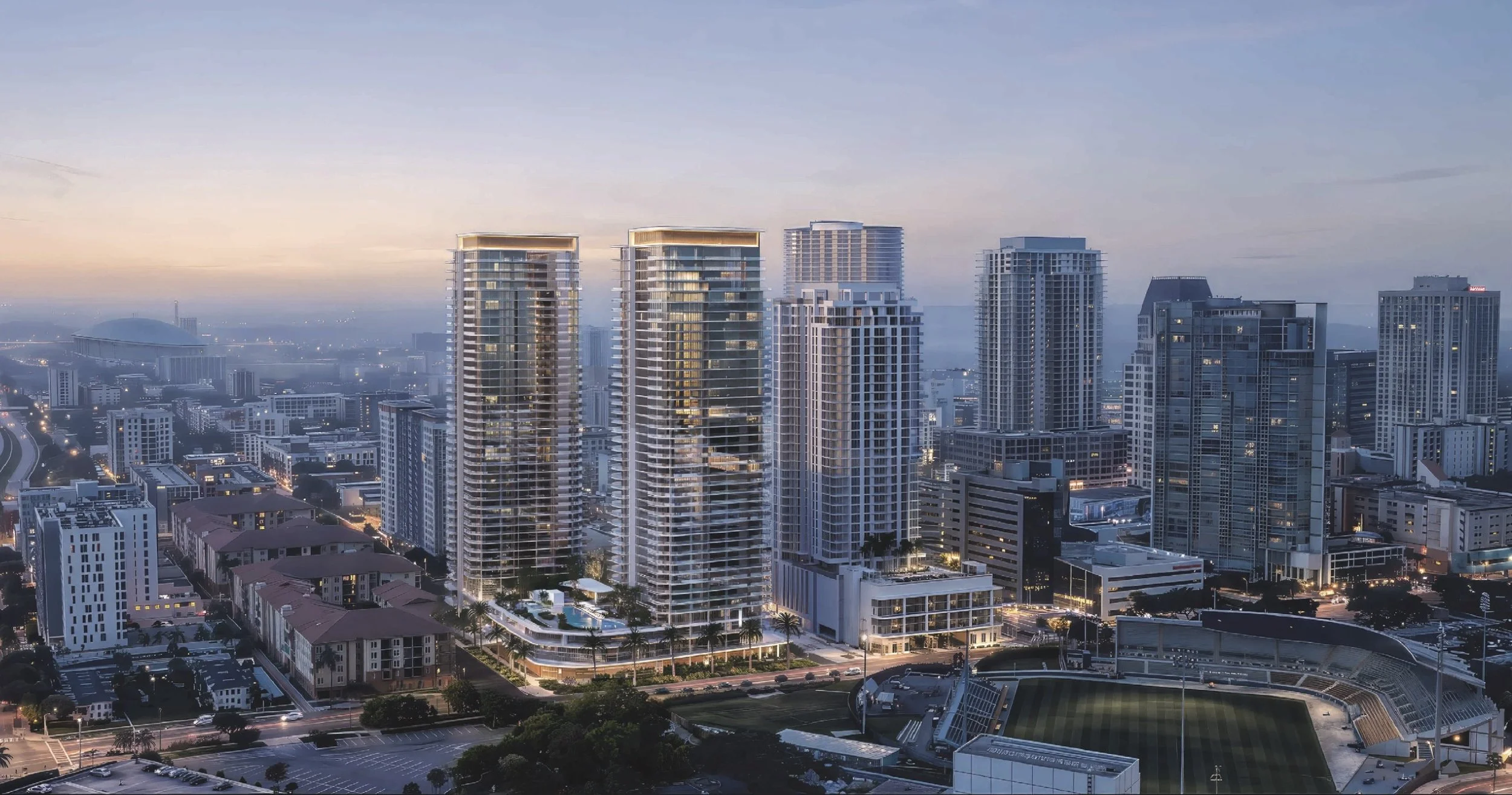
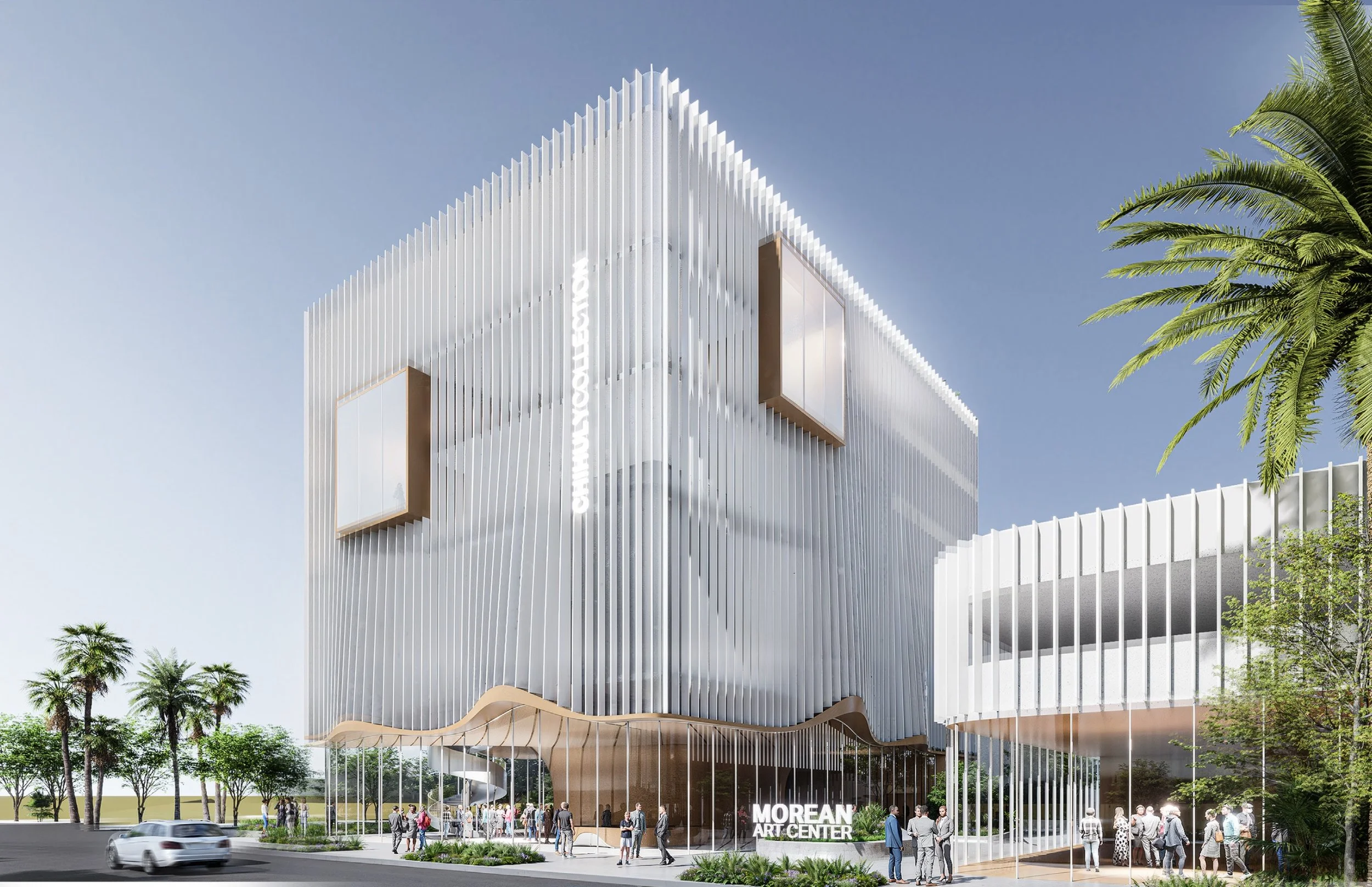
A vision of the Historic Gas Plant District from Foundation Vision Partners | Foundation Vision Partners
Foundation Vision Partners, led by Will Conroy of Backstreets Capital, Alex Schapira, a former Hines development partner, and Anddrikk Frazier of Best Source Consulting, in partnership with Gensler and Stantec, took a different approach.
Their plan centers on infrastructure and master planning, with individual parcels sold and developed over time.
Under this model, the city would retain greater control of the site and guide development through phased land sales.
Evaluators said the approach could maximize land value and provide flexibility to adapt to changing market conditions, but also carries risks, including potential inefficiencies and less certainty about final outcomes.
The proposal includes an estimated $239 million in infrastructure investment and a projected $510 million in land value.
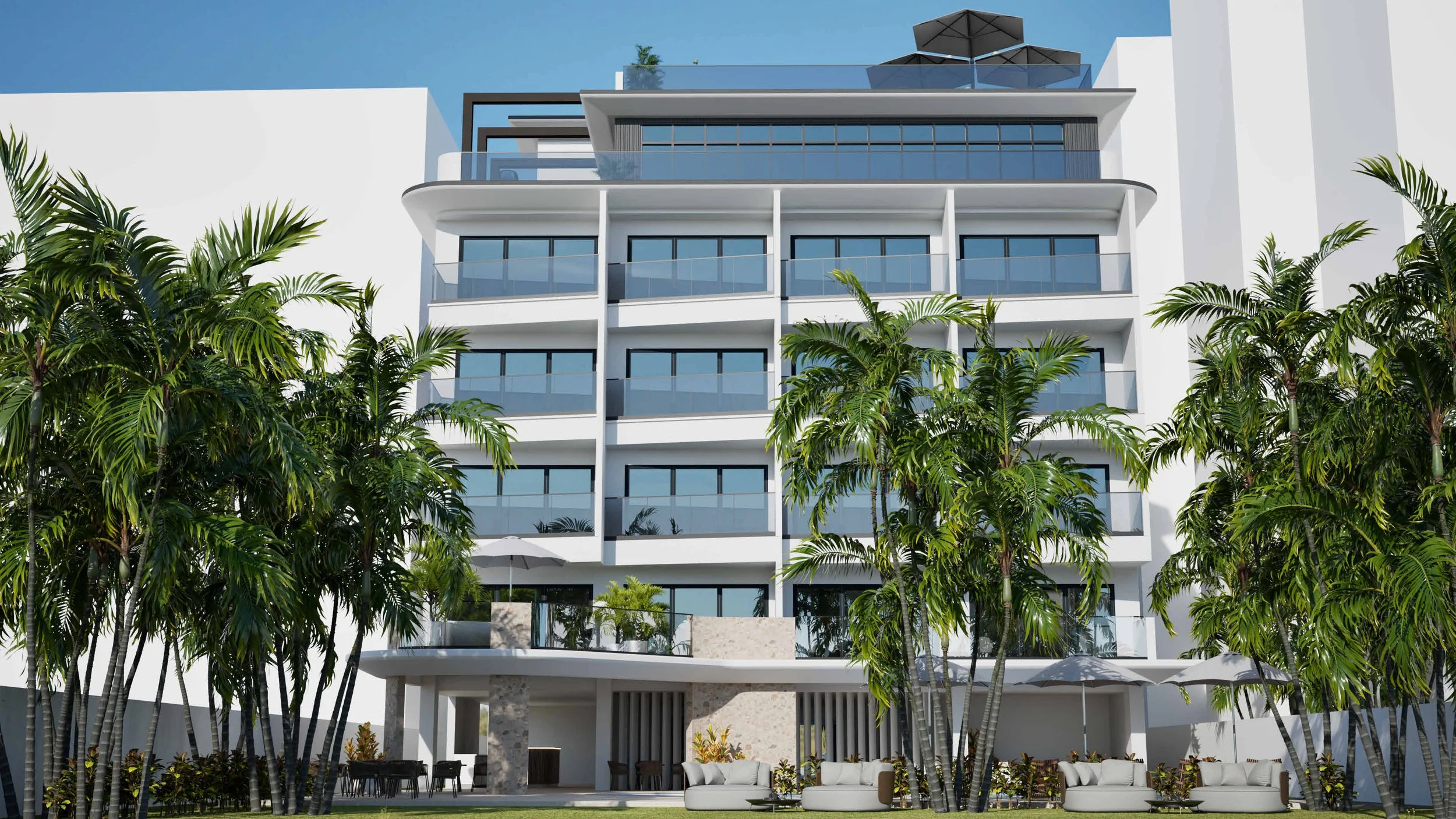
An 80-unit affordable apartment building proposed for 1659 3rd Avenue South in downtown St. Pete | Pinellas County Housing Authority
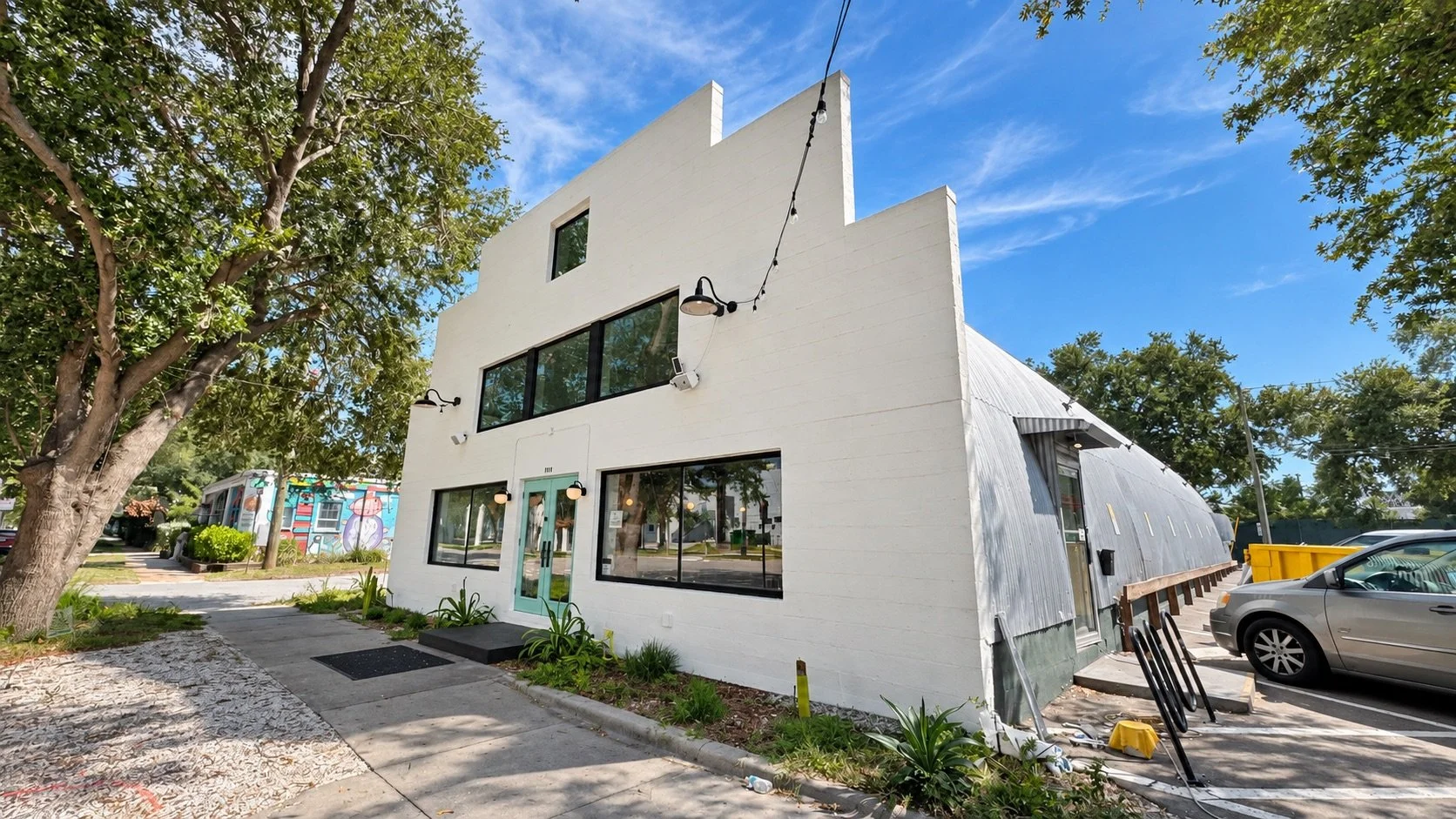
The Pinellas County Housing Authority, in partnership with Ascension Real Estate Partners and STORYN Studio for Architecture, submitted a more targeted proposal focused on a single parcel within the district.
The plan calls for the development of 80 affordable senior housing units.
While limited in scope, evaluators said the proposal addresses a clear community need and could be delivered relatively quickly by an experienced team.
Some concerns were raised about its small scale and how it fits into the broader redevelopment of the site.
Four proposals were not recommended for the next stage: Freedom Communities, Logical Sites, the Reparations Land Trust proposal from the Uhuru movement, and Tampa Bay Boom.
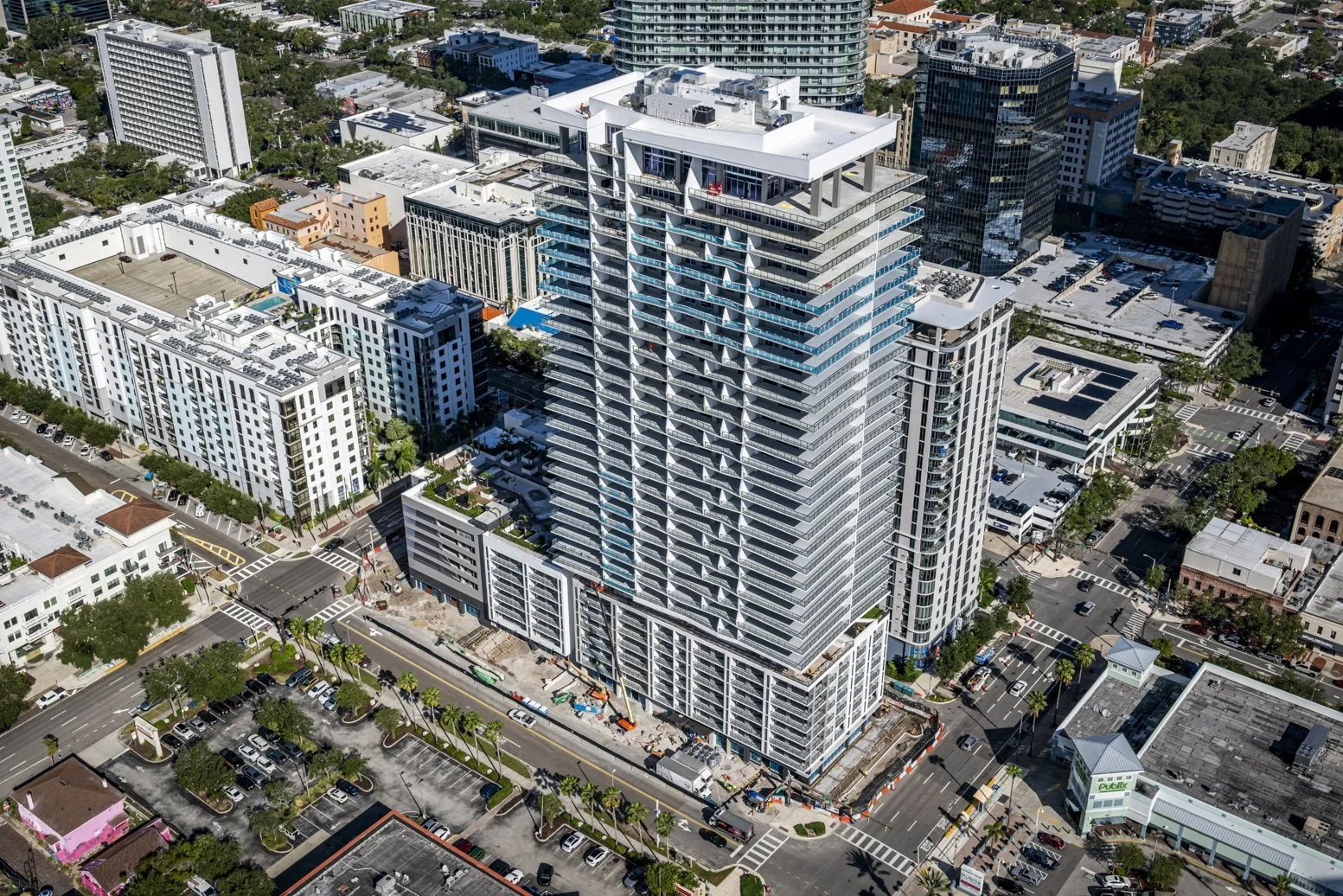
An aerial of tropicana field and acres of surface parking LOTS | st. pete rising
In general, evaluators cited similar reasons for not advancing these submissions, including a lack of detail, unclear implementation strategies, and limited or unproven development experience.
Several proposals focused on smaller portions of the site or presented conceptual ideas without sufficient information on financing, phasing, or execution.
Others lacked a defined development team or track record, making it difficult for reviewers to assess their feasibility.
The next step in the process will be Mayor Ken Welch’s review of the evaluations and determination of which proposals, if any, will be formally shortlisted.
The city has indicated that additional details on next steps will be released in the coming weeks.