
St. Pete to test plant-based HydroPlanters as part of $7 million stormwater project
/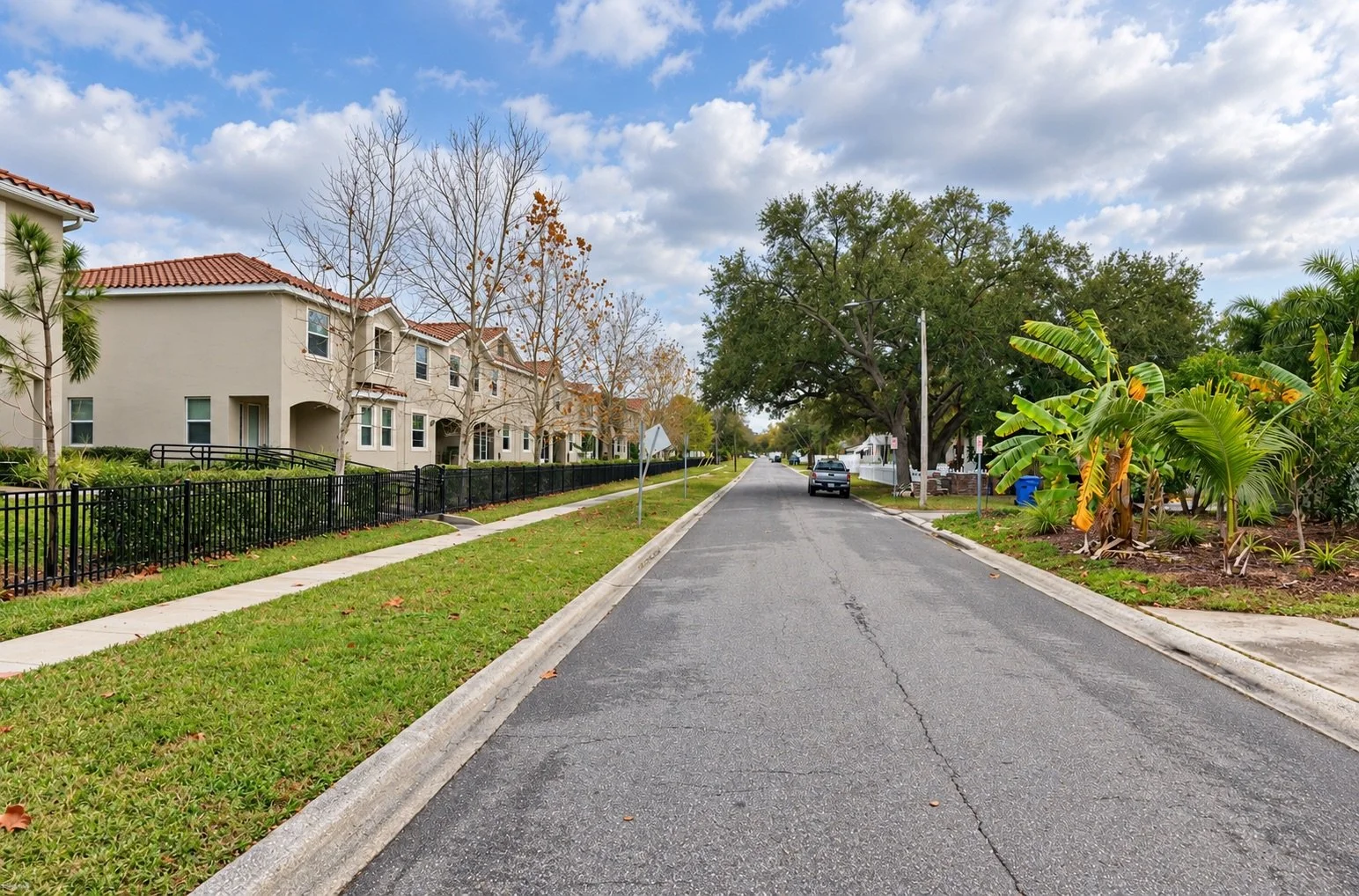
St. Petersburg will test a new plant-based approach to managing stormwater as part of a $7 million project coming to one of the city’s most flood-prone areas.
The city will install eight HydroPlanters, which are modular rain gardens designed to slow and filter rain runoff before it enters the city’s stormwater system.
Each rain garden is about five feet long, three feet wide, and two-and-a-half feet deep.
Filled with specially designed soil, grasses, shrubs, and small trees, the boxes will be installed in an L-shaped configuration along a city-owned grassy area near the intersection of 50th Avenue North and 7th Street North.
During heavy rain, water from the street will flow into the planters and filter through the soil and vegetation. It will then drain into the city’s stormwater system and eventually the 54th Avenue Canal.
Read More







Plans have been revealed for two 44-story condominium towers at the site of the Hilton St. Petersburg Bayfront, in what would be one of the largest condo developments ever proposed for downtown St. Pete.
Delray Beach-based Kolter Urban recently circulated a site plan application to neighborhood and business associations outlining a $325 million redevelopment of the hotel property at 333 1st Street South.
If built as proposed, the towers would rise up to 509 feet. Only two existing or planned towers in St. Petersburg would be taller: the 515-foot Residences at 400 Central and the 539-foot Waldorf Astoria Residences planned at 150 2nd Avenue South.
The two new towers, which have been designed by 10 Design, would tie for the city’s third-tallest buildings, ahead of the 450-foot Art House and ONE St. Petersburg towers and the 408-foot Saltaire.
The proposal calls for 325 condo units, 17,988 square feet of commercial space, and a 519-space parking garage.
Kolter would also make 207 spaces in the adjacent Saltaire garage available to residents, for a total of 726 parking spaces.