Sanderlin Center plans 40,000-square-foot family and social services campus in south St. Pete
/
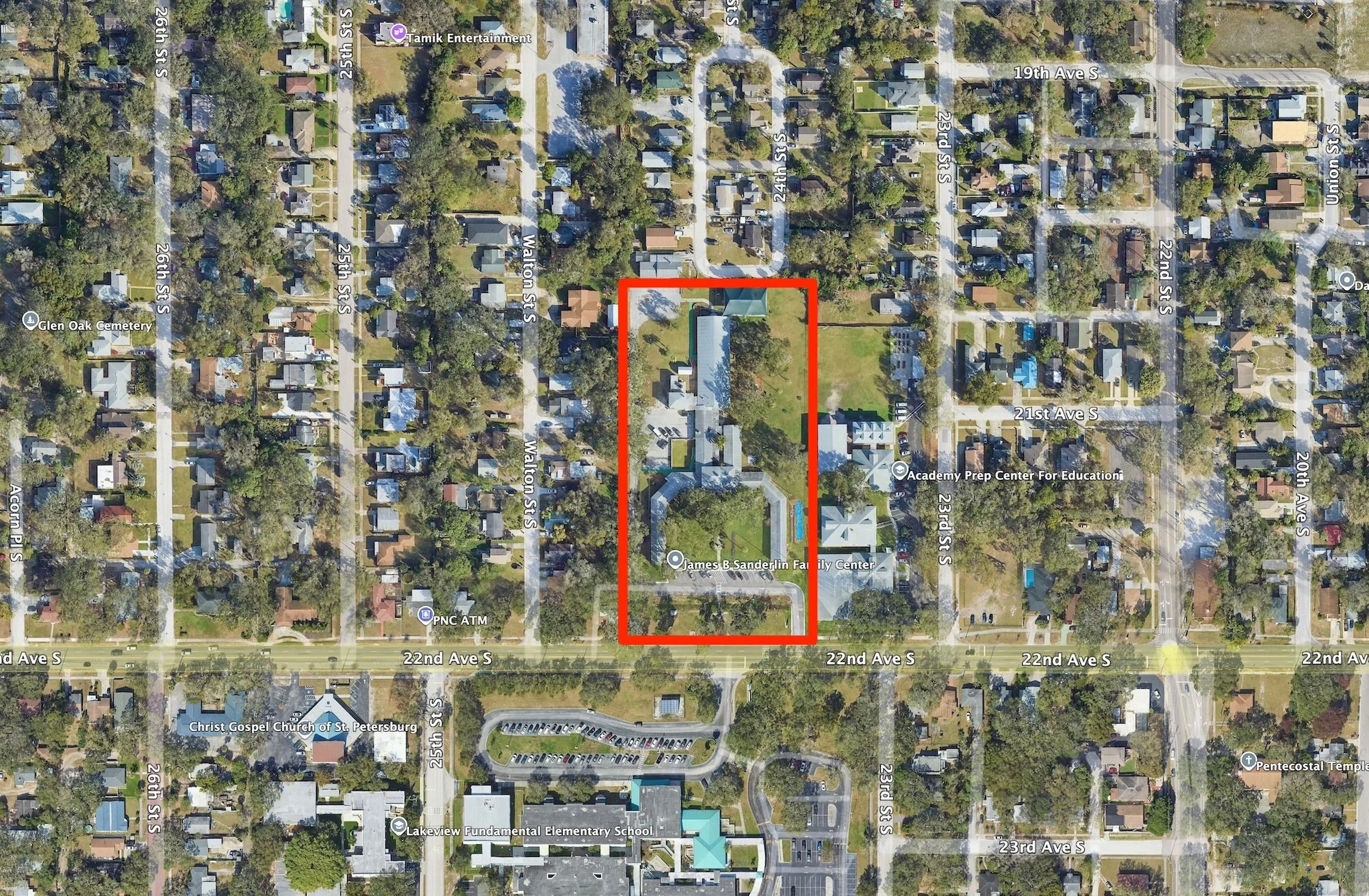
For nearly 35 years, the James B. Sanderlin Neighborhood Family Center has supported families in south St. Pete with pre-kindergarten, after-school tutoring, job training, and weekly food distribution from its campus at 2335 22nd Avenue South.
Now, the nonprofit is preparing for what leaders describe as a transformational expansion.
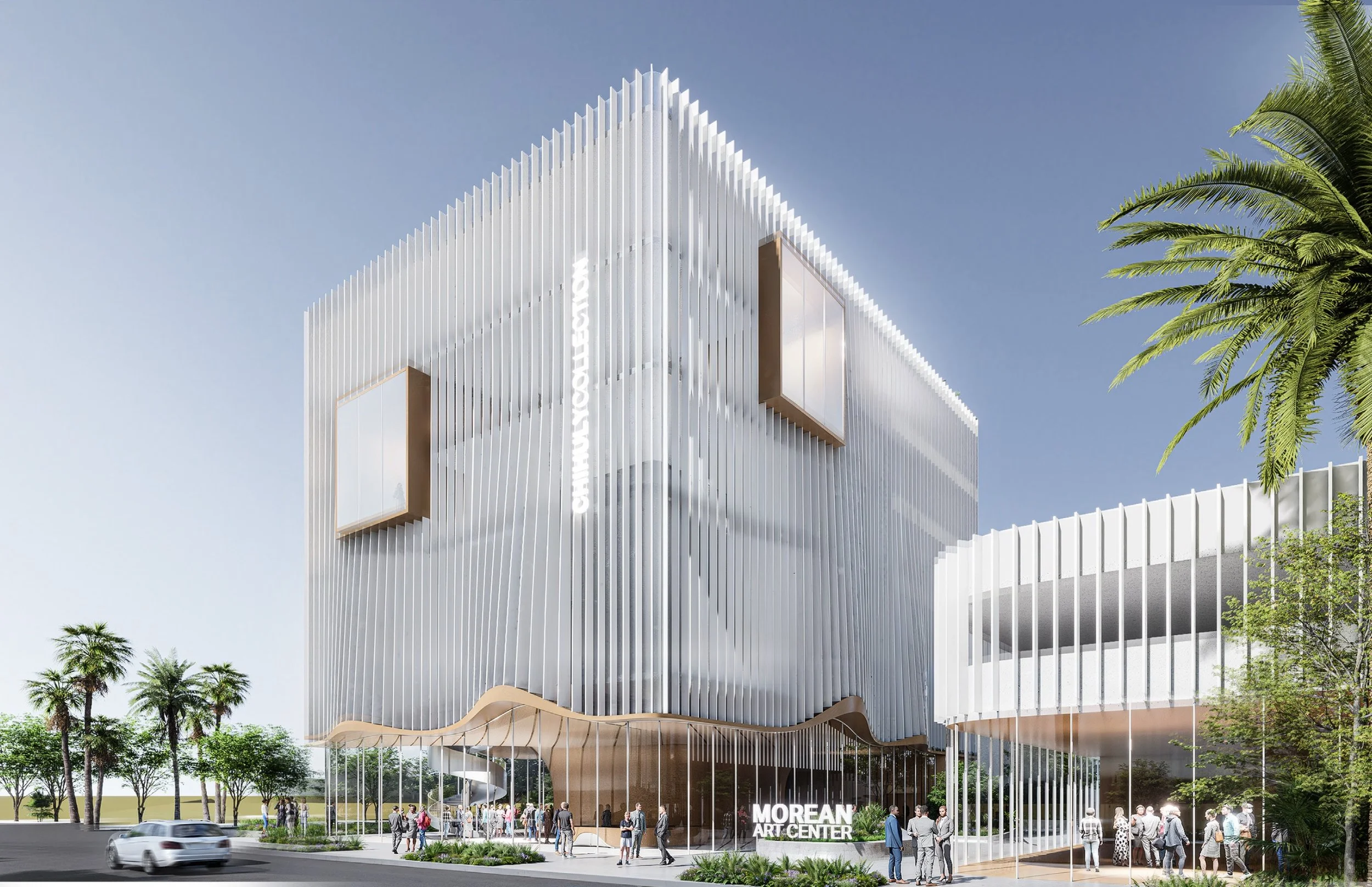
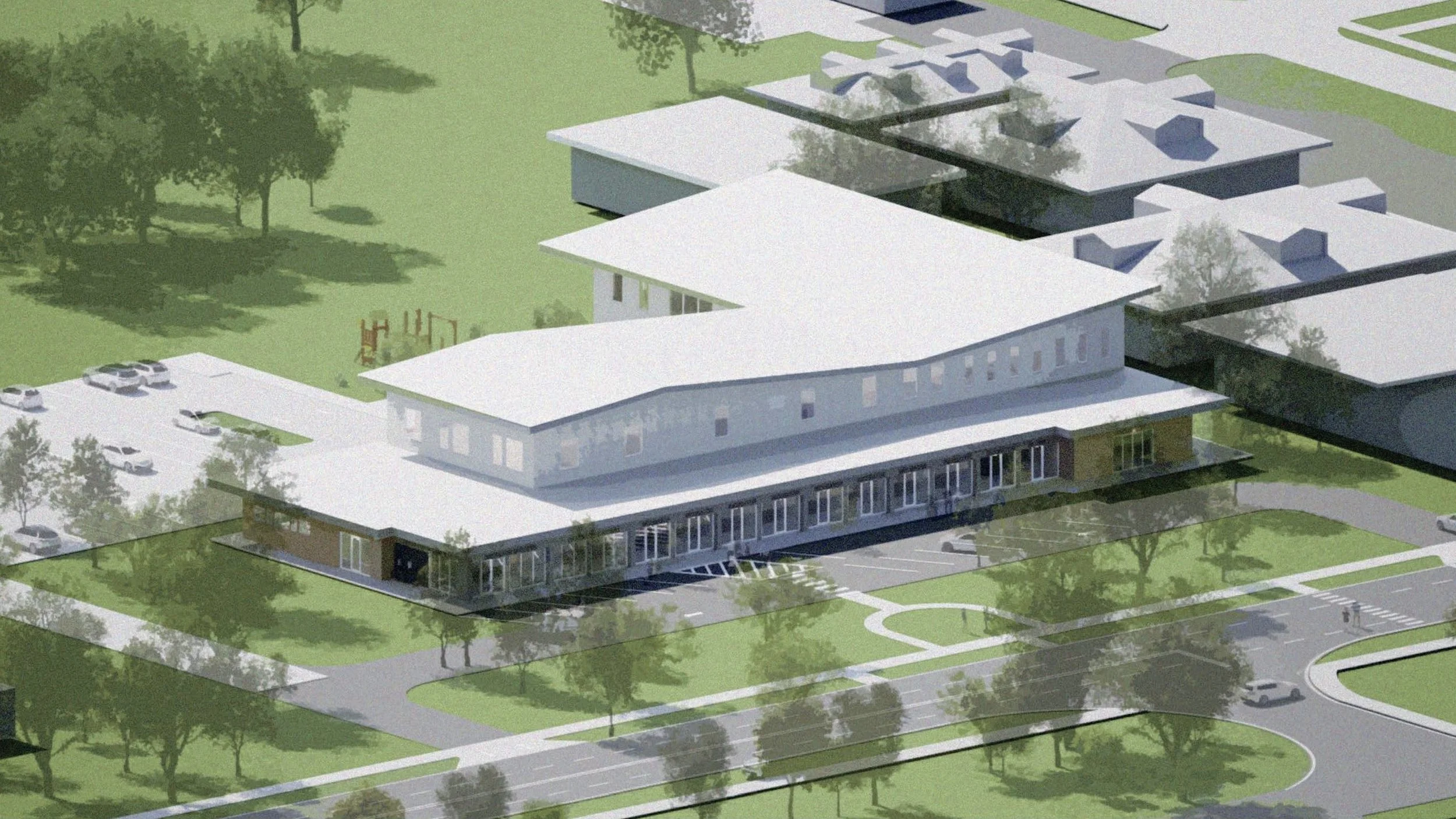
Newly unveiled renderings offer a glimpse of a new 40,000-square-foot education and social services building on the organization’s five-acre campus.
The project would nearly double the size of the existing building, which would be demolished to make way for the new facility.
“This has been a dream for a while,” said Executive Director Celeste Collins, who has led the organization for nearly eight years and once brought her own children to the center before taking the helm. “We want to make sure that the space is inviting, where families feel comfortable coming here, and that we can host large functions. This is a labor of love for the community.”
Founded in 1990 through a partnership between the St. Petersburg Catholic Diocese and local Black community leaders, the center was modeled after a traditional settlement house, providing childcare, job training, education, and social services under one roof.
Back then, the Diocese leased the facility for one dollar per year, despite the significant renovations required to make the long-vacant building functional.
Originally known as the Black Family Service Center, the organization was later renamed to honor Judge James B. Sanderlin, one of only five Black attorneys practicing in St. Pete in the 1960s, who devoted his career to advancing social and legal equality in the city.
Today, the center provides pre-kindergarten (VPK), after-school care and tutoring for children ages 4 to 13, reading intervention programs, adult education, workforce development courses, financial literacy programming, and food assistance.
However, the existing structure, formerly a nursing home and later a drug rehabilitation facility, was never designed for those services.
“It’s been a blessing, and the land has given us stability,” Collins said in a conversation with St. Pete Rising. “But it’s not built for what we do.”
Over the past eight years, the center has spent more than $1 million on repairs and maintenance.
Space constraints have forced programs to share rooms, with the food pantry, computer lab, and board room currently operating out of the same area.
“We’ve made it work, and we’re grateful,” Collins said. “However, the new building will give us a dedicated space for our food pantry with a loading dock, a full-sized computer lab, and a real board room.”
The proposed first phase of the project is estimated to cost approximately $8 million and would centralize academic programs, social services, and nonprofit partners into a modern facility designed specifically for education and wraparound care.
Collins said the design prioritizes transparency and accessibility, with large windows and a welcoming presence along 22nd Avenue South.
“Our founders envisioned this as a one-stop shop, a place where you could come and have a parade of services available to you,” Collins said. “We’re continuing that mission.”
Future phases, which are still conceptual, could include a grocery store, expanded wellness programming, and affordable housing.
Collins said she hopes the expansion will significantly strengthen workforce readiness and financial empowerment efforts.
Each summer, the center hosts a financial literacy program for students and their parents, teaching budgeting, credit education, and savings strategies, and providing seed funding to help families open savings accounts.
“If someone had told me at seven or eight years old to start building wealth, I’d be in a different place,” Collins said. “We want our kids to have that head start.”
The campus currently houses about 15 nonprofit tenants, including United Medical Academy, Mindful Movement Florida, Minority Alliance for Advocating Community Awareness and Action, Dress for Success, Youth Unleashed, Life From Inside Out, Going Adoption Agency, STEM Exposure, and Lakewood Community Schools’ adult education program.
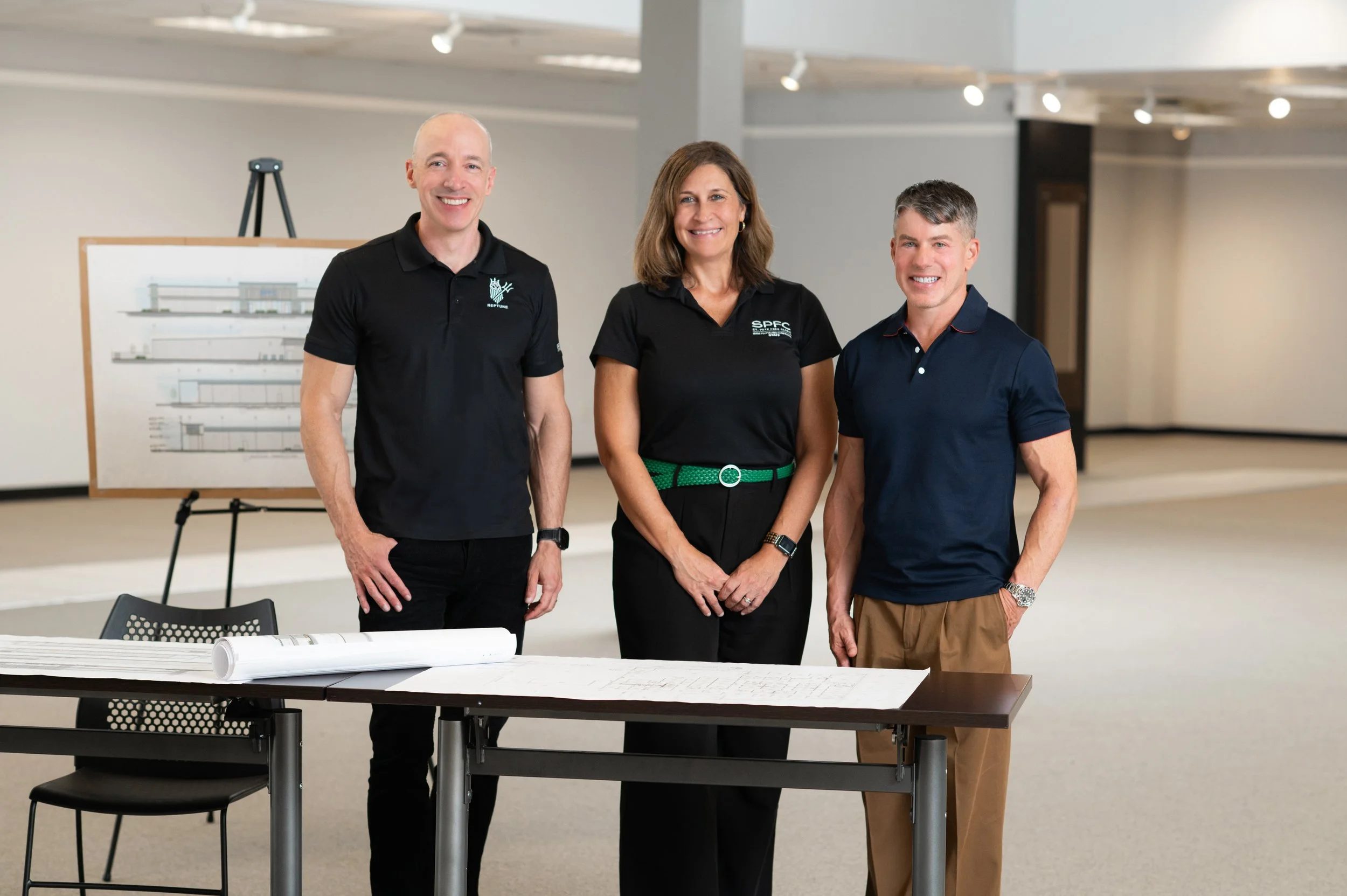
Tampa-based Rowe Architects was selected through a competitive RFP process to design the project, and Russ Robertson, founder of Cap Ex Advisory Group is serving as owner’s representative.
Construction drawings are underway, and a separate RFP will be issued to select a general contractor.
The expansion will rely on a mix of state appropriations, city funding, grants, corporate sponsorships, and private donations.
A groundbreaking ceremony is planned for this summer to formally launch the capital campaign.
Last year, State Senator Darryl Rouson submitted a $945,000 funding request to the Florida Senate to support construction planning and early-phase work.
Senator Rouson previously secured funding for architectural drawings.
At the local level, St. Petersburg City Councilmember Corey Givens Jr., a former student of Collins when she served as his high school guidance counselor, is advocating for city support.
“I absolutely think the CRA is a tool we should be considering,” Givens said, referring to the South St. Petersburg Community Redevelopment Area. “The goal is to address the unique needs in our community, so many of which go unaddressed. There are more than enough resources to address them. Administration has to tap into those funds.”
Givens has proposed at least $1 million in city seed funding and separately programmed $100,000 in his district budget to support VPK programming and food pantry operations.
“Hunger is a great need right now,” Givens said. “Currently, the way the food pantry is set up, it’s not designed to meet the community’s needs.”
Under the new design, he said, “People can come in five days out of the week and have access to it. They’ll have access to groceries, but there will also be a wellness center where nutritionists and dietitians can work with people and show them how to prepare these meals and how to grow the food.”
While the construction timeline will depend on final drawings, contractor selection, and funding, Collins said the organization is targeting a summer groundbreaking, with completion by 2029.
“This has felt like a huge leap of faith at times,” Collins said. “But the right people have shown up at the right time.”
When families walk through the doors of the future Sanderlin Center, she said, the goal is simple: “We want the building itself to say, ‘You matter. Come on in.’”