St. Pete Innovation District unveils new master plan shaping future waterfront growth
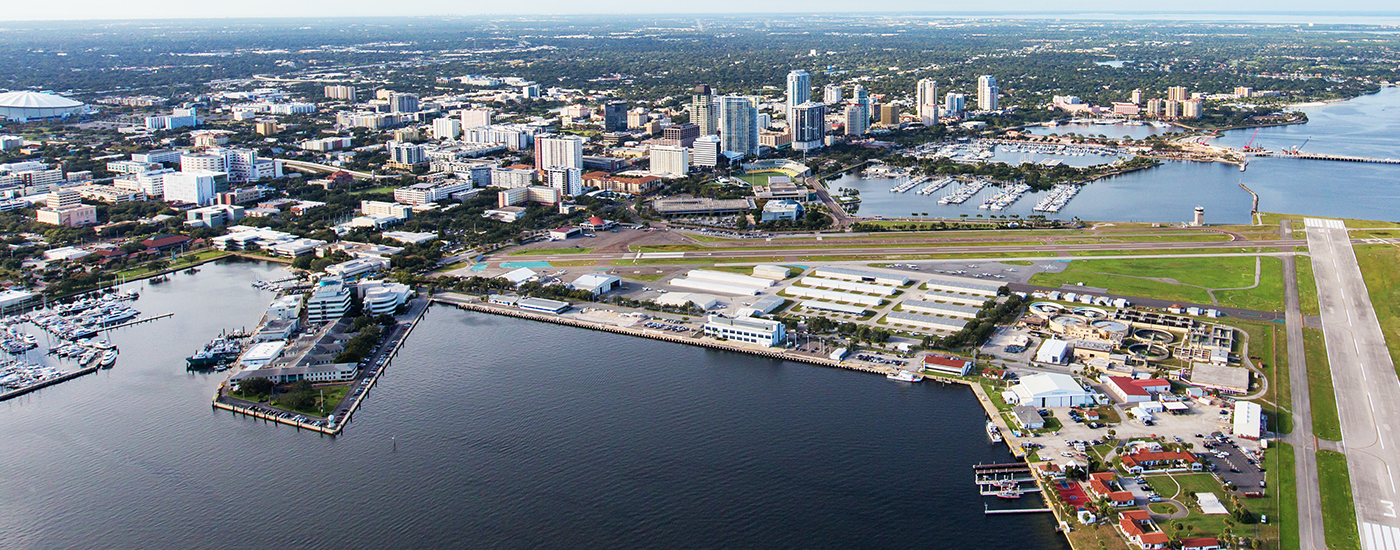
/First established in 2016, the Innovation District has become a hub for marine science, healthcare, research, and technology | Innovation District
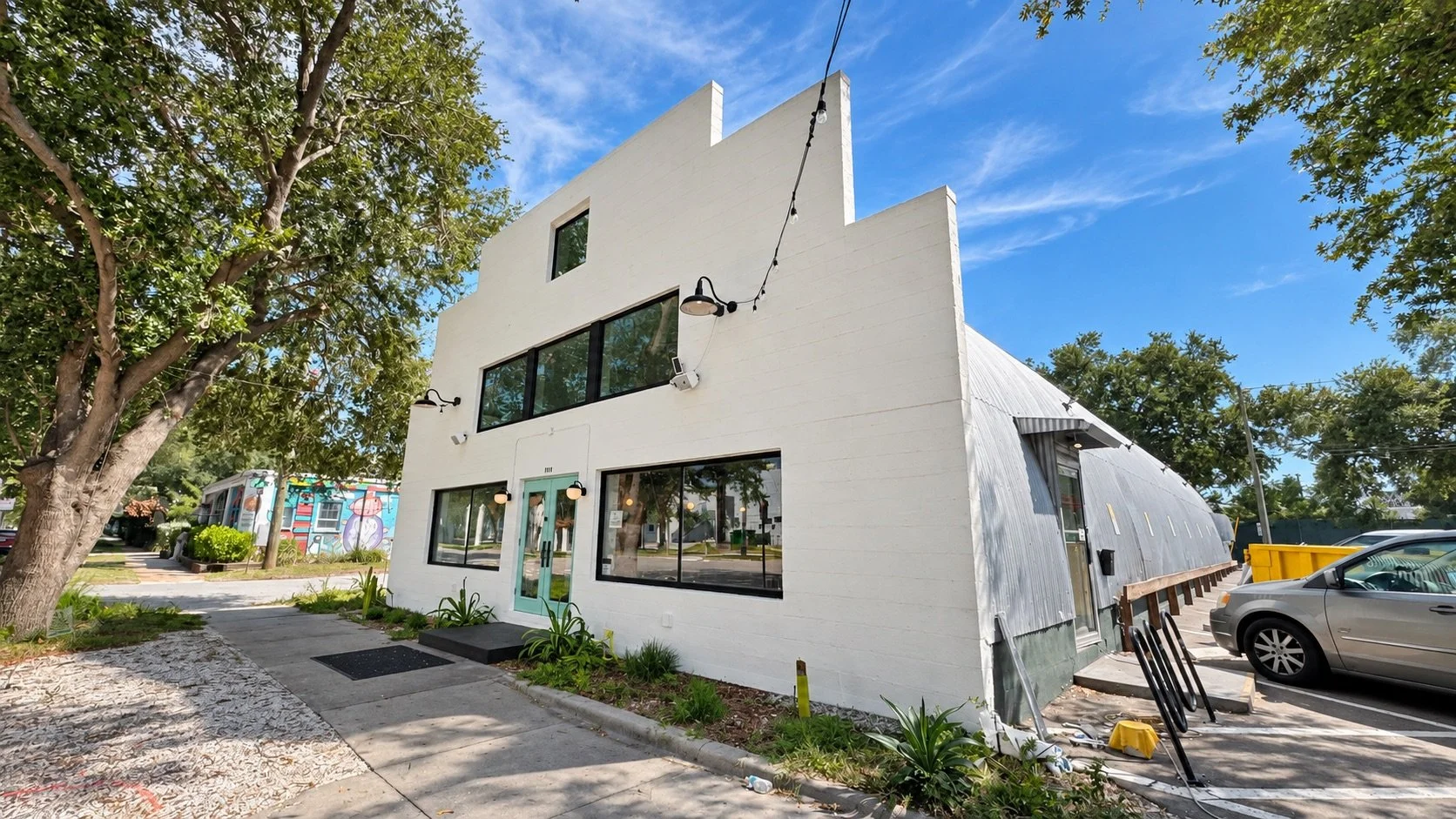
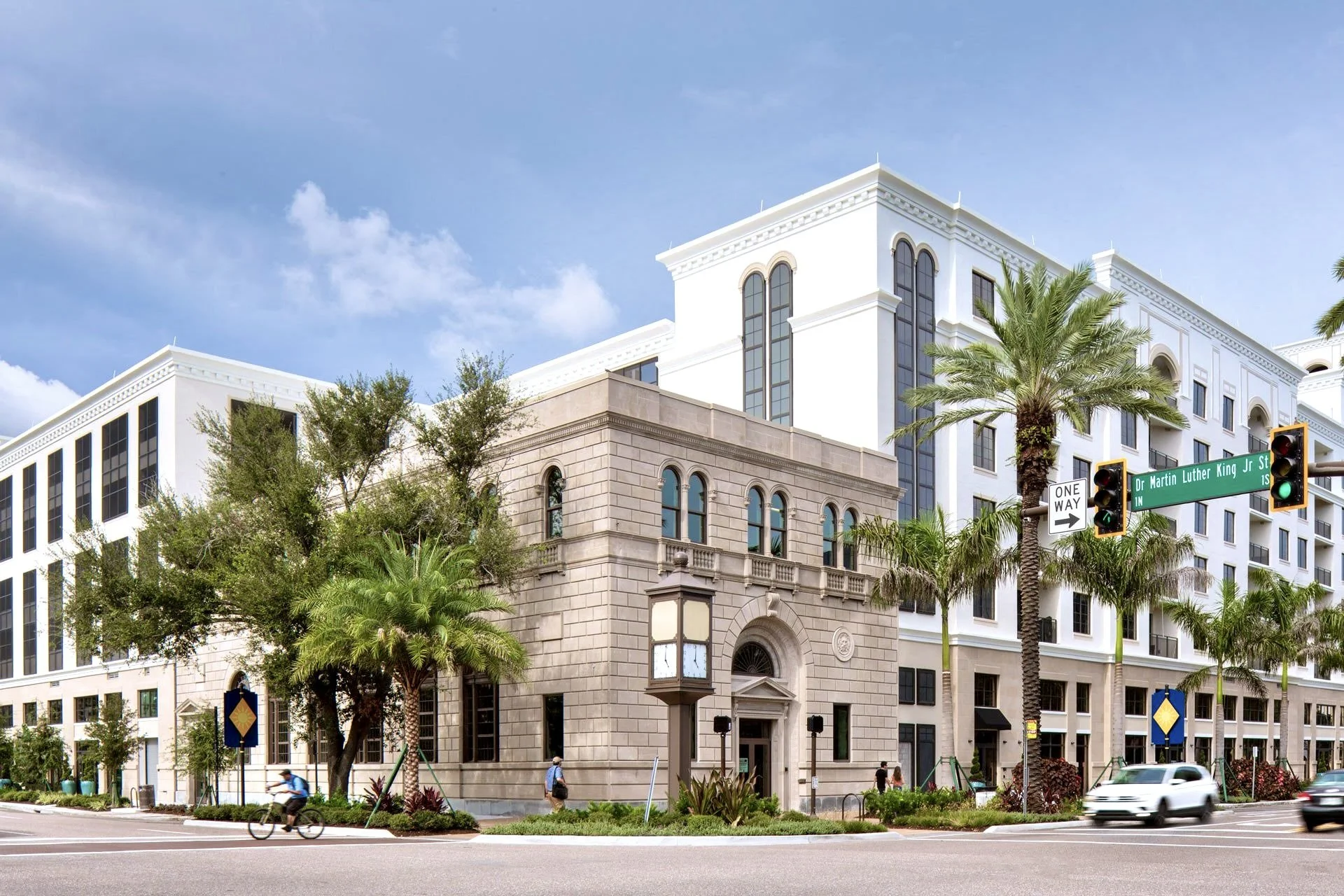
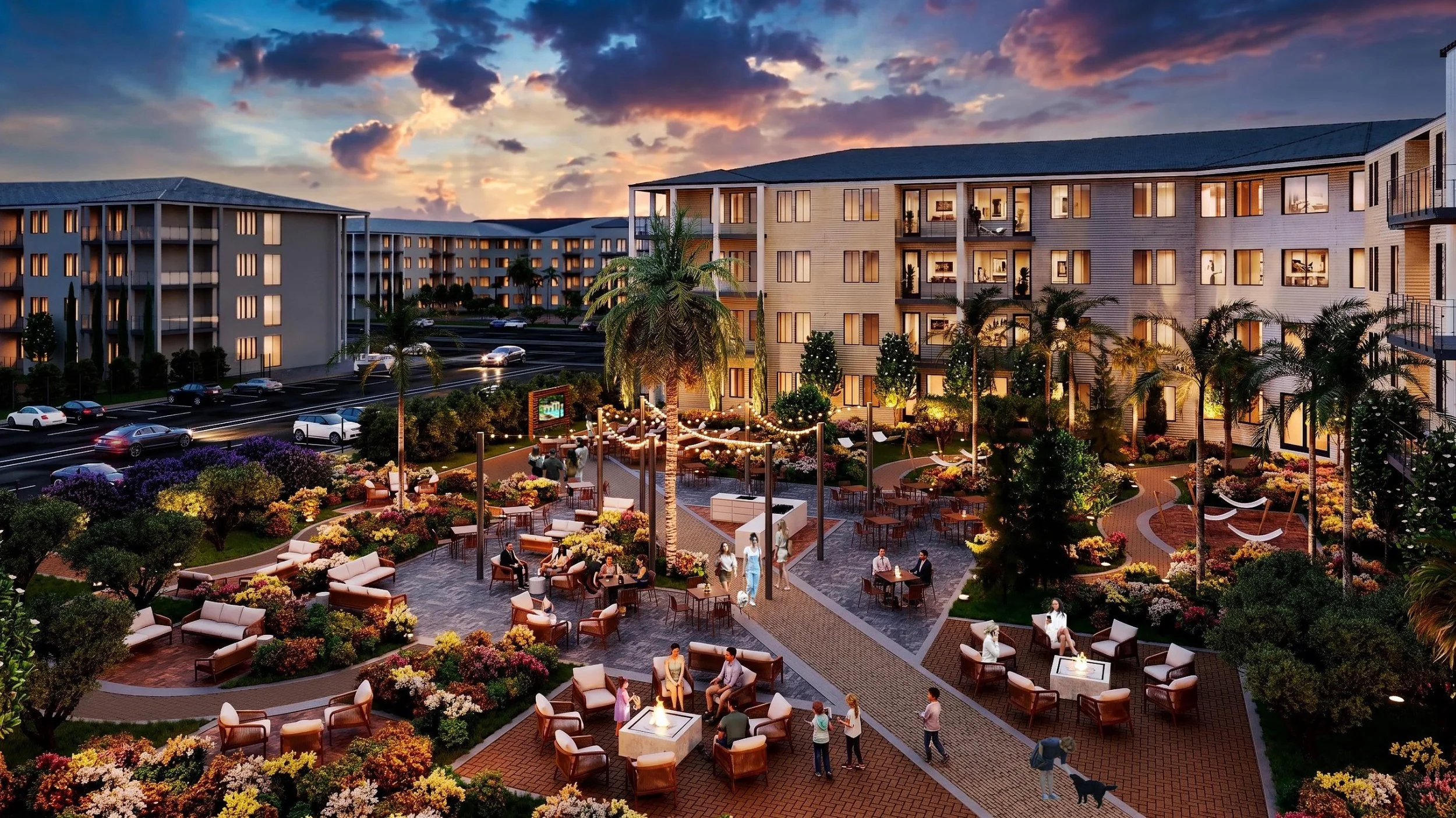
The Innovation District, a 560-acre neighborhood on the southeastern edge of downtown St. Pete, is putting the final touches on a new master plan outlining a long-term vision for growth, including possible zoning updates that could lead to larger mixed-use developments.
The plan, which was presented during an open house on Wednesday night, is meant to be a flexible, long-term framework rather than a rigid set of instructions.
Developed in partnership with the City of St. Pete and Kimley-Horn, the plan emphasizes expanded waterfront access, climate resilience, mixed-use development, and stronger connections to downtown and surrounding neighborhoods.
First established in 2016, the Innovation District has become a hub for marine science, healthcare, research, and technology anchored by major institutions including the University of South Florida St. Petersburg, Johns Hopkins All Children’s Hospital, Orlando Health Bayfront Hospital, Port St. Pete, and Albert Whitted Airport.
The innovation District is anchored by major institutions including the University of South Florida St. Petersburg, Johns Hopkins All Children’s Hospital, Orlando Health Bayfront Hospital, Port St. Pete, and Albert Whitted Airport | Innovation District Master Plan
Improving Connectivity and Mobility
A major focus of the master plan is improving how people move through the Innovation District, and how easily it connects to downtown St. Pete and nearby neighborhoods such as Old Southeast, Roser Park, and Bartlett Park.
Proposed mobility improvements include expanded bike lanes and micromobility infrastructure, safer pedestrian crossings, enhanced streetscaping, and better lighting along key corridors like 3rd Street South, 4th Street South, and Dr. MLK Jr. Street South.
The plan also supports converting certain roadways to two-way traffic to calm speeds and improve access.
Transit options are another priority with recommendations including an improved trolley service, premium bus routes, water taxis, and new mobility hubs that combine transit, micromobility, and shared parking.
Looking further ahead, the plan even touches on autonomous vehicle corridors and urban air mobility, such as electric vertical takeoff and landing aircraft, at Albert Whitted Airport.
The map shows the approximate location of recommended improvements related to mobility in the District | Innovation District Master Plan
Waterfront Access and Climate Resilience
Salt Creek and Booker Creek are identified as focal points for environmental upgrades, including stormwater improvements, bulkhead enhancements, flood protection measures, and naturalized shoreline features.
The plan calls for new boardwalks, waterfront trails, and public access points, alongside incentives for private developments to include public waterfront amenities.
Several new parks and greenspaces are proposed, including waterfront park space that would also double as coastal resilience infrastructure.
Future development would be expected to elevate buildings, raise or underground critical infrastructure, and incorporate other infrastructure enhancements to address storm surge, sea-level rise, and flooding.
The plan also recommends updating City of St. Pete design standards and coordinating with existing seawall and stormwater master plans to better prepare the Innovation District for future climate change.
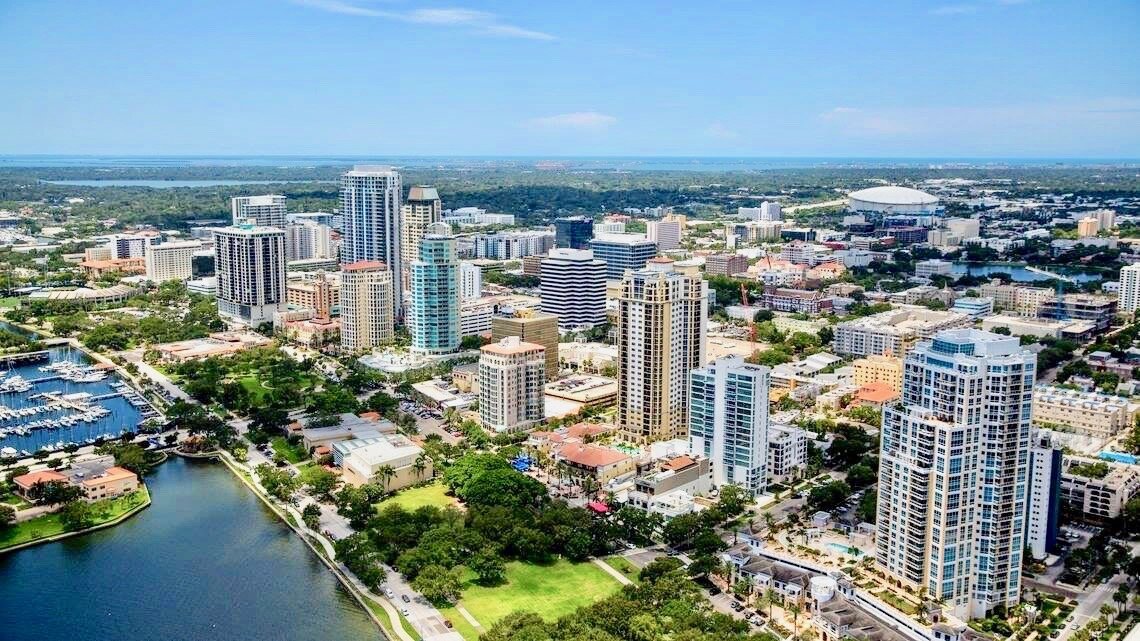
300 feet above Salt Creek in the Innovation District, looking north toward downtown St. Petersburg | St. Pete Rising
Mixed-Use Development and Zoning Changes
One of the most impactful aspects of the master plan could be its call for updates to the City’s land use and zoning regulations within the Innovation District.
Currently, the area is governed by a patchwork of nine different zoning categories, including Institutional Center (IC), Employment Center (EC), Corridor Commercial Traditional (CCT), and more—many of which were not designed to accommodate modern mixed-use development in a coastal environment.
The plan recommends developing new zoning overlays and design standards that would allow for a broader mix of uses, including office, lab space, hotels, multifamily housing, restaurants, and marine-related uses, particularly near the waterfront.
Increased density is also on the table, with bonuses tied to community benefits such as workforce and affordable housing, public open space, infrastructure improvements, marine uses, and additional resiliency measures.
While the plan emphasizes maintaining existing height limits near residential neighborhoods and complying with FAA restrictions near Albert Whitted Airport, it also suggests taller and more intense development in appropriate areas.
Affordable and workforce housing is repeatedly highlighted as a priority, especially housing that serves students, healthcare workers, and employees within the Innovation District.
The plan suggests exploring opportunities within nearby zoning districts to expand housing options while preserving the character of surrounding neighborhoods.
Existing zoning in the Innovation District | Innovation District Master Plan
Placemaking, Parks, and District Identity
Beyond infrastructure and zoning, the master plan places significant emphasis on placemaking and strengthening the Innovation District’s identity.
Recommendations include expanding public art and mural programs, upgrading banners and signage, experimenting with innovative lighting installations, and activating underutilized spaces with events and programming.
Parks like Poynter Park are slated for enhancements such as new trails, public art, stormwater features, and expanded amenities.
Community activation is recommended as well, with suggestions for markets, festivals, open-streets events, educational programming, and networking opportunities that bring together researchers, entrepreneurs, students, and residents.
The map shows the approximate location of recommended improvements related to parks and greenspace in the District | Innovation District Master Plan
Smart Technology and Partnerships
Technology is positioned as a supporting layer throughout the plan.
Proposed initiatives include expanded fiber-optic infrastructure, public Wi-Fi, smart lighting, flood warning systems, EV charging stations, and data-driven mobility tools.
The final guiding principle focuses on funding and partnerships.
The plan encourages coordinated grant pursuits, public-private partnerships, and deeper collaboration between the city, major institutions, developers, and community organizations.
District leaders emphasize that many of the plan’s recommendations will require long-term funding strategies and sustained cooperation to implement.
The Maritime and Defense Tech Hub in the Innovation District | Maritime and Defense Tech Hub
What Comes Next
The full master plan is expected to be published soon on the Innovation District’s website.
While the plan itself does not authorize any specific projects on its own, the plan sets the stage for future zoning changes, public investments, and private development proposals within the district.
Many of its recommendations would also be contingent on public and private funding, as well as approval by the St. Pete City Council.
Still, the document provides the clearest vision yet for how one of St. Petersburg’s most strategically located districts could evolve, while balancing growth with resilience, innovation with neighborhood character, and development with public access to the waterfront.
Separate from the Innovation District Master Plan, the City of St. Pete is also updating the master plan for the Port of St. Petersburg, a city-owned 4.4-acre waterfront site just south of downtown within the Innovation District.