St. Pete becomes Florida’s first city to allow affordable housing on religious property
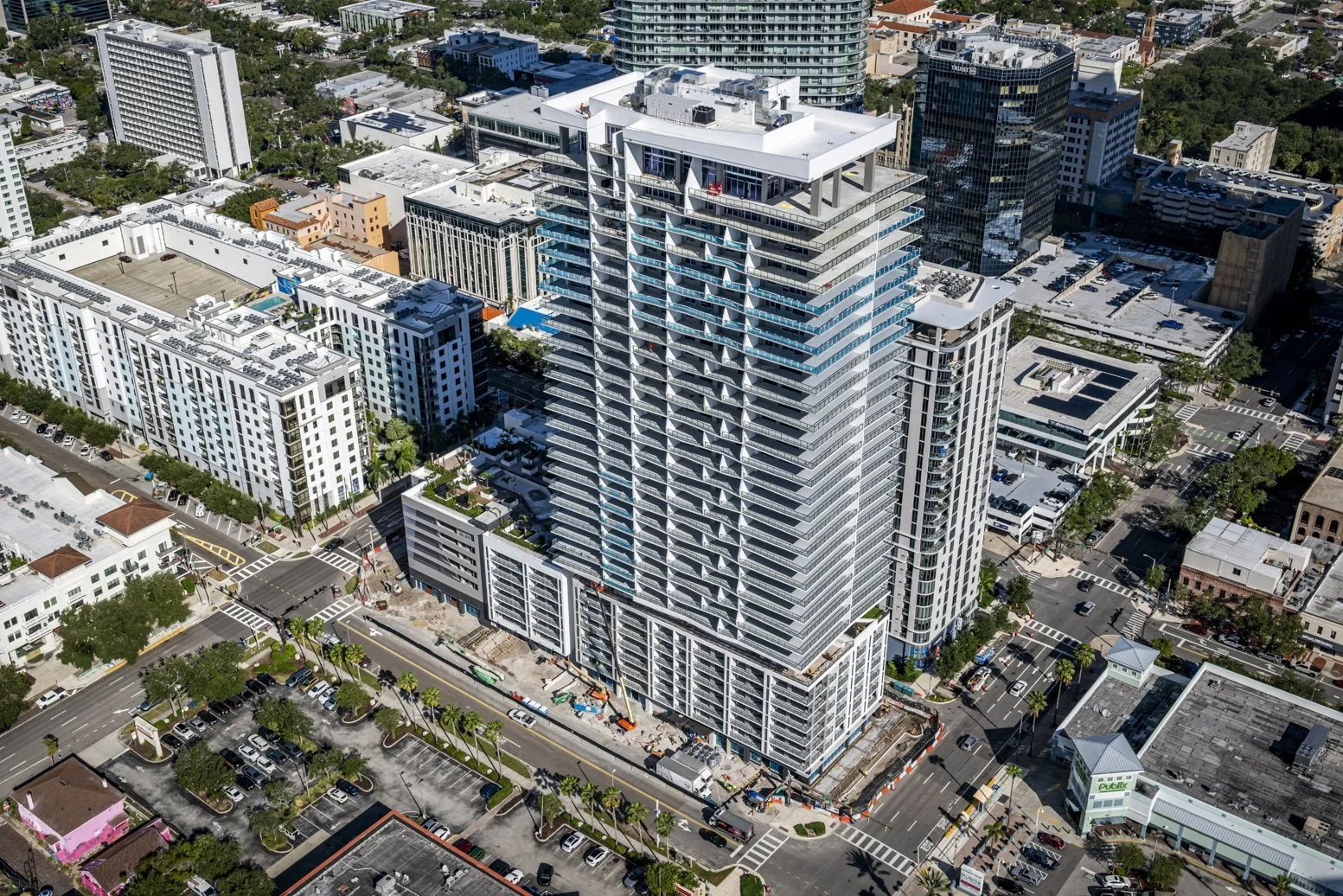
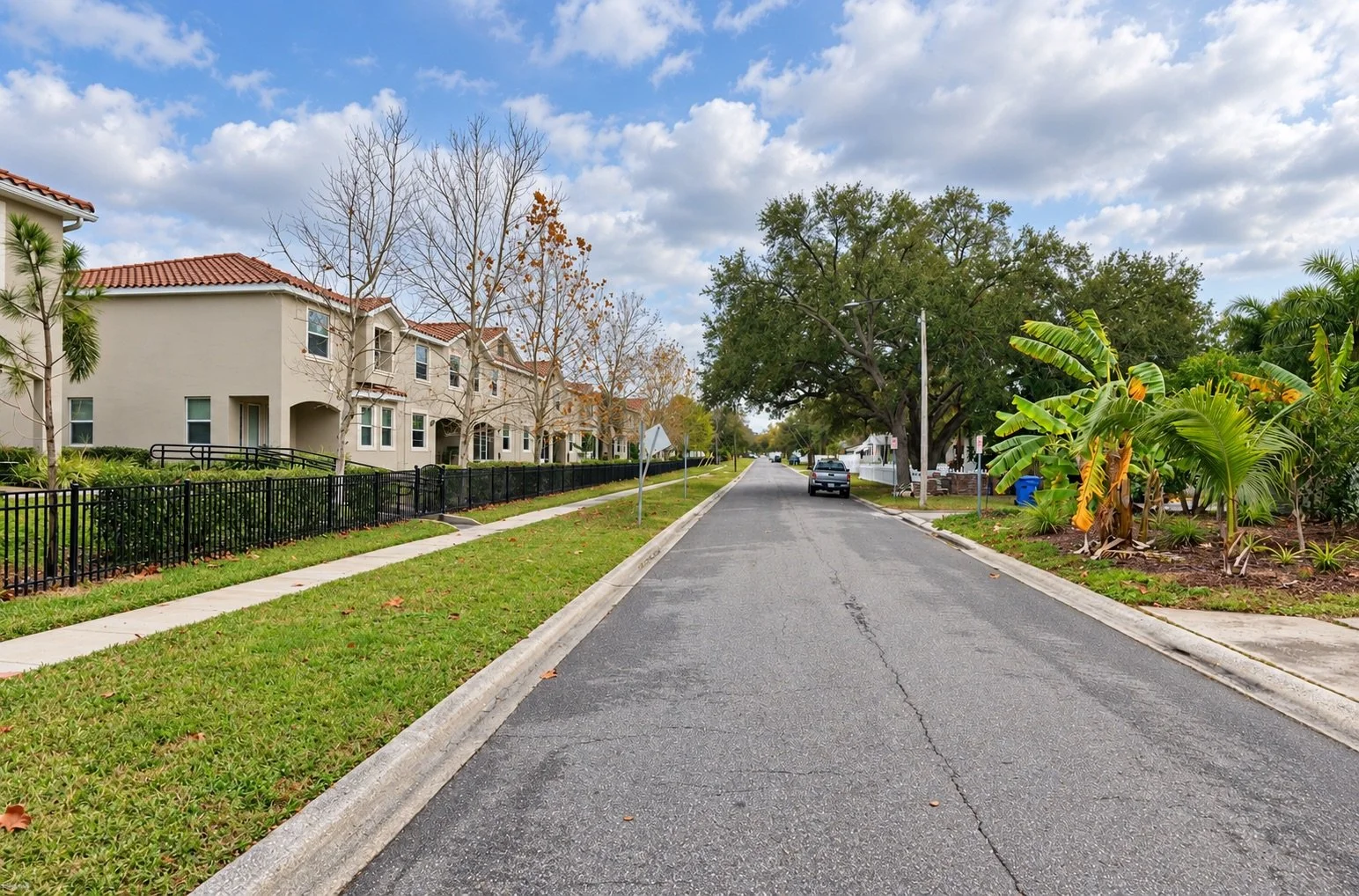
/Previously approved by the St. Petersburg City Council, vacant land by palm Lake Christian Church will be redeveloped into an 86-unit affordable housing community | Google Maps
The City of St. Pete has become the first municipality in Florida to adopt a provision into its City Code allowing affordable housing to be built on land owned by religious institutions regardless of underlying zoning, following the passage of a new state law earlier this year.
While the Florida Senate Bill 1730, often referred to as “Yes In God’s Backyard” or YIGBY, gives cities the option to allow affordable housing on faith-owned land, it does not require them to do so.
St. Pete’s new provision turns the state statute into a clear and usable local process.
Many congregations own property that is no longer fully used for worship or parking but was historically difficult to redevelop because it is zoned institutional or public use rather than residential.
Before SB 1730, affordable housing could be built on church land only if a city approved a rezoning, conditional use, or comprehensive plan amendment.
There was no special entitlement tied to religious land, and projects were subject to the same discretionary land-use review processes as any other rezoning request.
As a result, many congregations never pursued housing projects at all.
The Live Local Act, approved in 2023, expanded where affordable housing could be built in Florida, particularly in commercial and mixed-use districts. But because it didn’t clearly cover institutional land, churches and other houses of worship were left in limbo.
SB 1730 addressed that gray area by giving cities the ability to approve affordable housing on land owned by religious institutions, regardless of the underlying zoning, as long as at least 10% of the homes are affordable.
Crucially, the state law allows YIGBY but does not spell out review processes, development standards, or how projects move through local approval. St. Pete’s ordinance fills that gap.
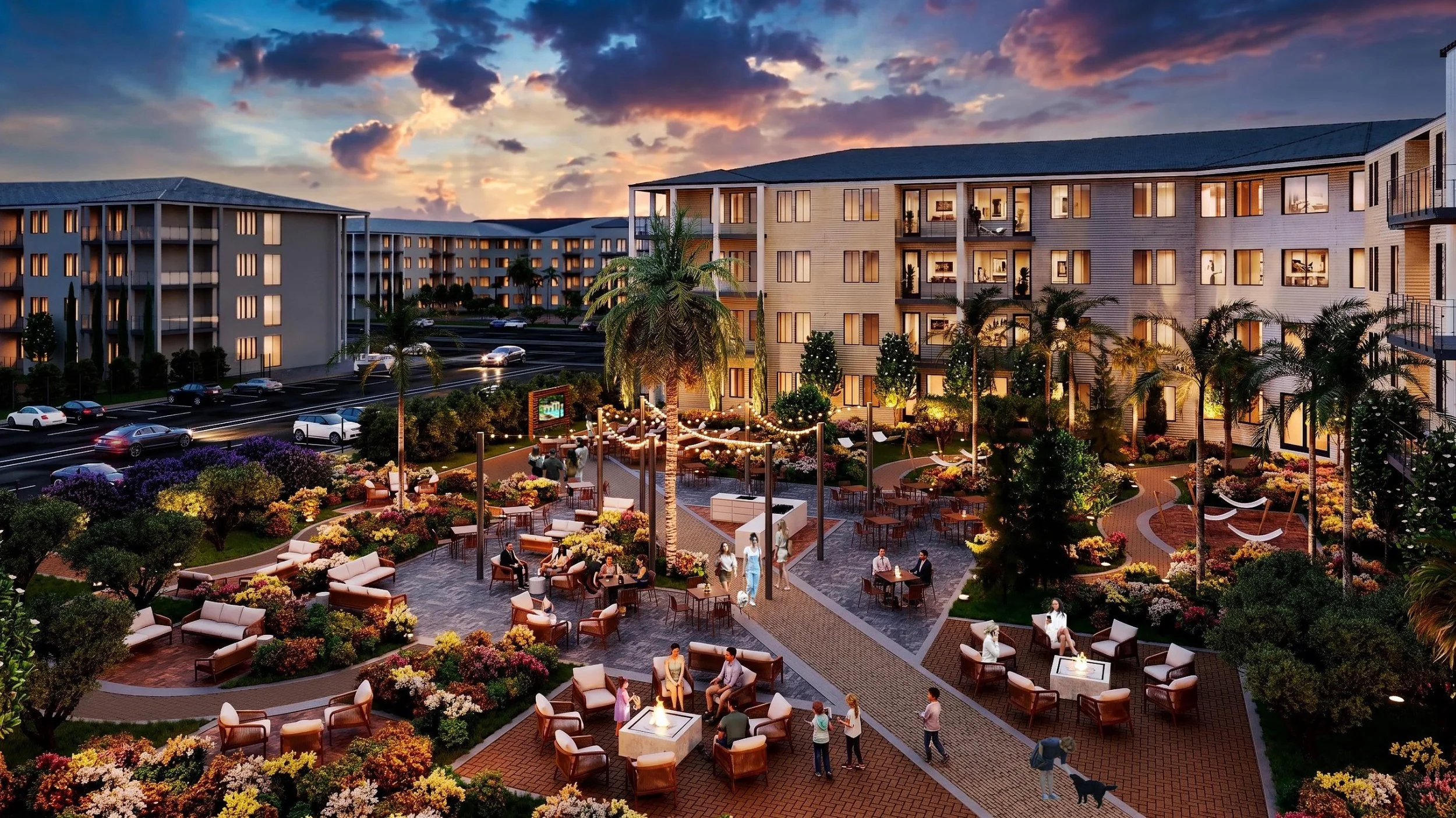
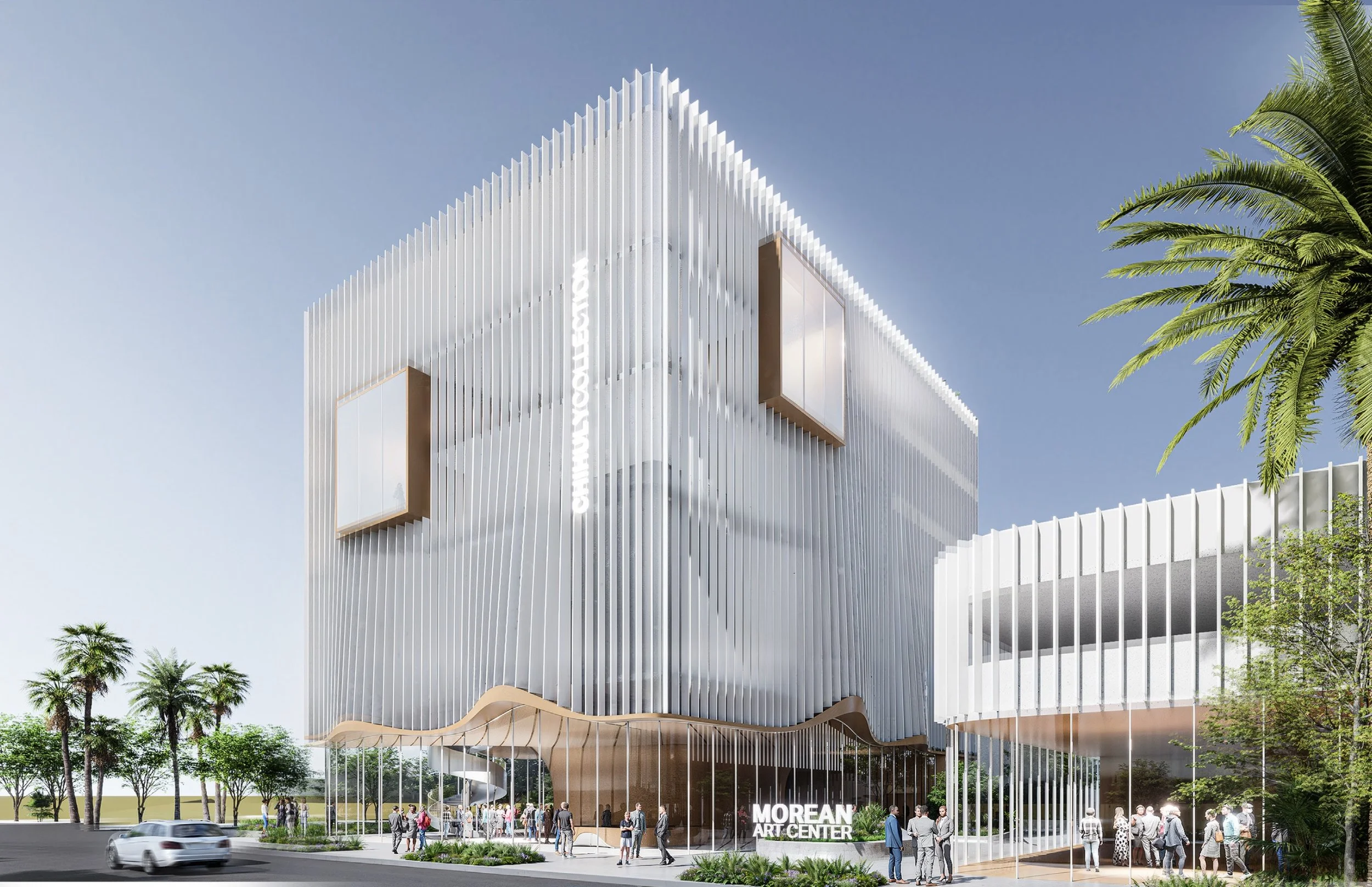
A rendering of Palm Lake Christian Church on the west side of the property and the proposed affordable housing building on the east side | PI Architects
By adopting YIGBY into its City Code, St. Pete established a defined local process and retained control over how the tool is applied.
The local ordinance allows the city to set reasonable standards related to height, density, parking, compatibility, and design, rather than leaving those questions to ad hoc interpretation or potential litigation.
“The City of St. Petersburg advocated for the ‘Yes in God’s Backyard’ ordinance because we believe that it takes an innovative, comprehensive approach to tackle the affordable housing crisis,” Mayor Ken Welch said in a statement. “St. Pete is leading the way statewide in instituting this provision, but our work on this issue is just getting started.”
The ordinance also launches a new city-supported program through the Office of Community Impact to help congregations explore housing opportunities.
The program offers individualized support, including site feasibility reviews, development readiness assessments, partner guidance, budgeting help, regulatory navigation, and congregation-specific action plans.
City officials say this support is critical, as most houses of worship are not developers and lack the technical capacity to pursue housing projects on their own.
Although the ordinance is newly adopted, faith-based affordable housing is already underway.
Vacant land adjacent to Palm Lake Christian Church in the Disston Heights neighborhood is slated for an 86-unit affordable housing development restricted to households earning up to 80% of the area median income (AMI).
With one project already underway, the ordinance offers a clearer path for other faith-owned properties to follow.