
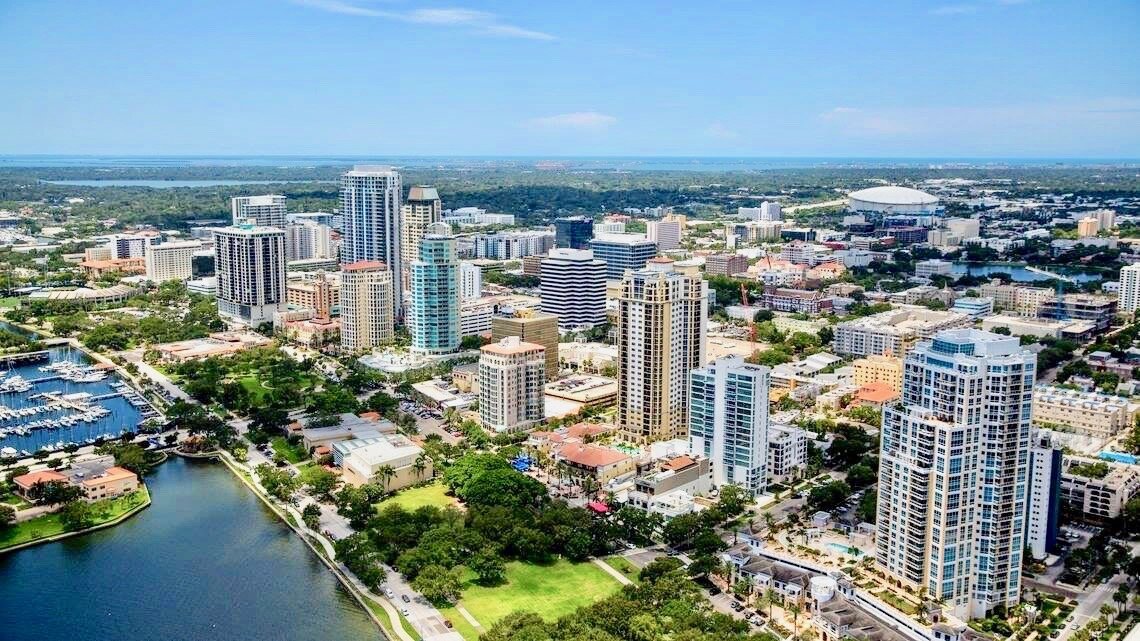
Opinion: St. Pete residents should vote 'Yes' to strengthen the Port of St. Petersburg
/
St. Petersburg has a rule that protects our waterfront. If the city wants to lease public waterfront land for longer than a short term, voters decide. That rule is worth keeping, and a "yes" vote on Charter Amendment #2 does not weaken it.
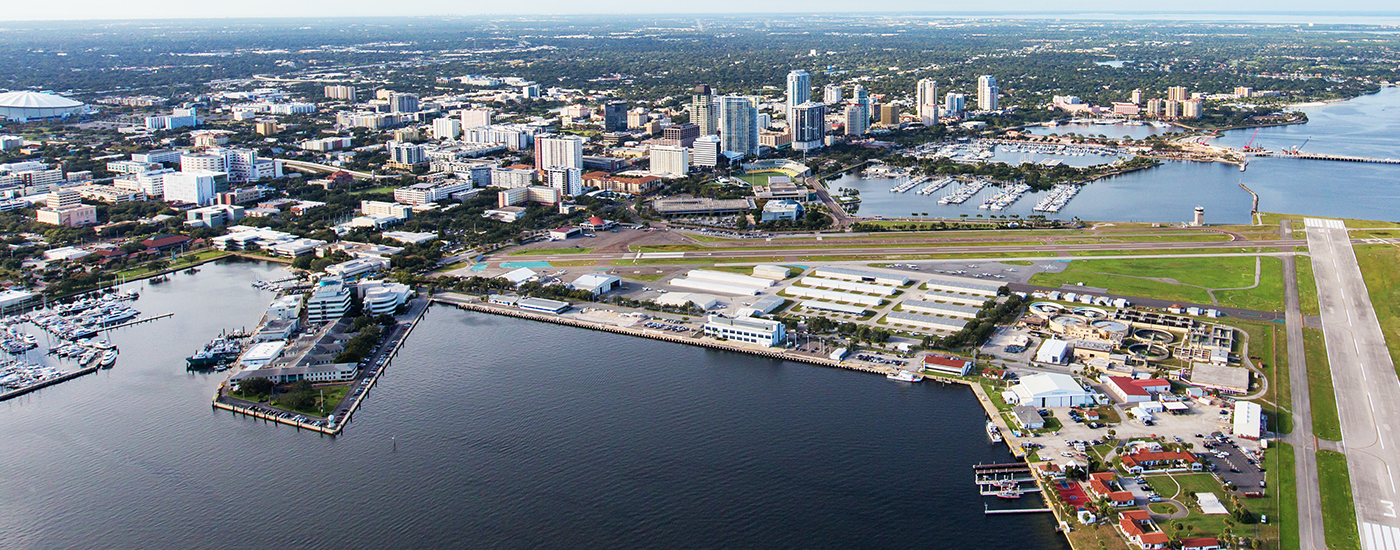
Here is what it changes. Under the City Charter, Port leases are capped at 10 years unless voters approve more in a citywide referendum. Charter Amendment 2 would raise that cap to 25 years, the same limit Albert Whitted Airport has had since 2004, when voters raised it from five years. Giving the Port the same terms as its neighbor is sensible.
Here is what it does not change. The ballot language says the amendment "would not change the permitted use of the Port." It does not approve residential development at the site, and it does not approve any redevelopment of the Port. It changes one number, the maximum lease length. Every lease would still go through the city administration and City Council. The amendment does not hand anyone a blank check. It lets the city negotiate from a stronger position.
Read More

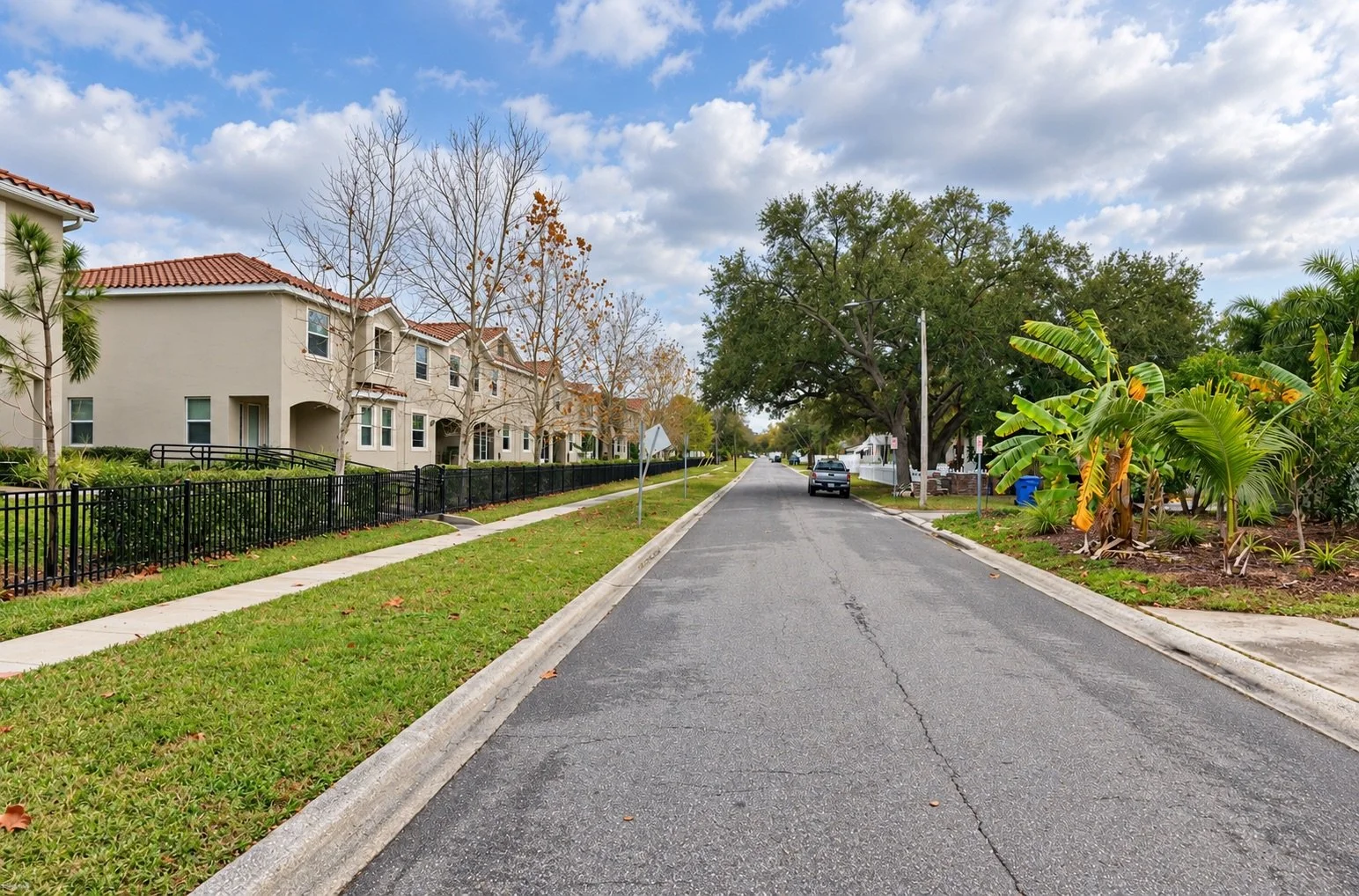
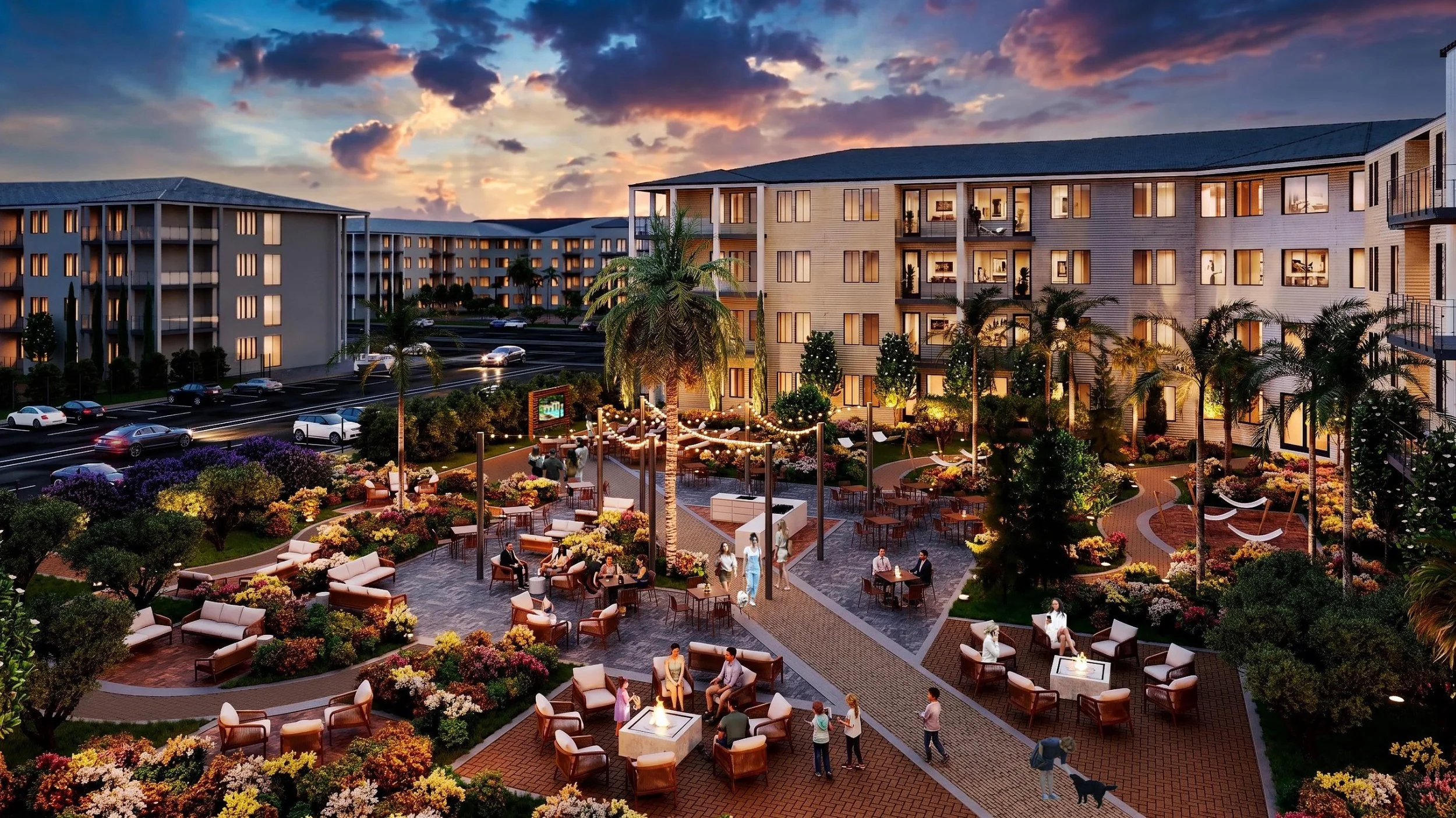





A vacant site across from Lealman Elementary School will become a permanently affordable townhome community for 26 local families.
Habitat for Humanity Tampa Bay Gulfside and local officials gathered Thursday at 4000 58th Avenue North to mark the start of infrastructure work for Lealman Heights, a two-story townhome development at the corner of 58th Avenue North and 40th Street North.
The 26 townhomes are part of a broader 57-home Habitat community in Lealman, which will also include 31 single-family homes now under construction.
“Lealman Heights represents more than the construction of new homes,” Mike Sutton, president and CEO of Habitat for Humanity Tampa Bay Gulfside, said at the groundbreaking. “It represents opportunity, stability, and a brighter future for local families who have worked hard and dreamed of the chance to own a home in the community they love.”
The 26 townhomes will each span 1,500 square feet and include three bedrooms and a garage. The homes will be priced between $240,000 and $280,000, based on a buyer’s income.
High Point Engineering and G2 Design are leading the project team.
Habitat expects vertical construction to begin in summer 2027.